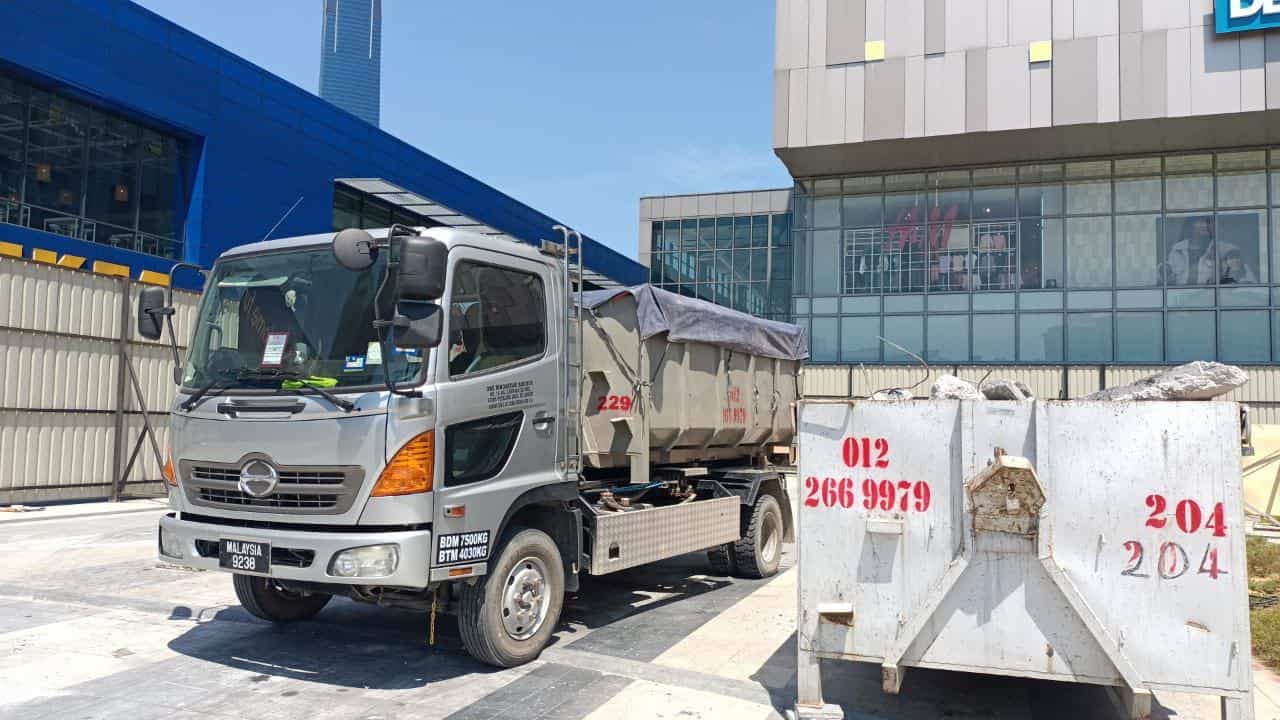

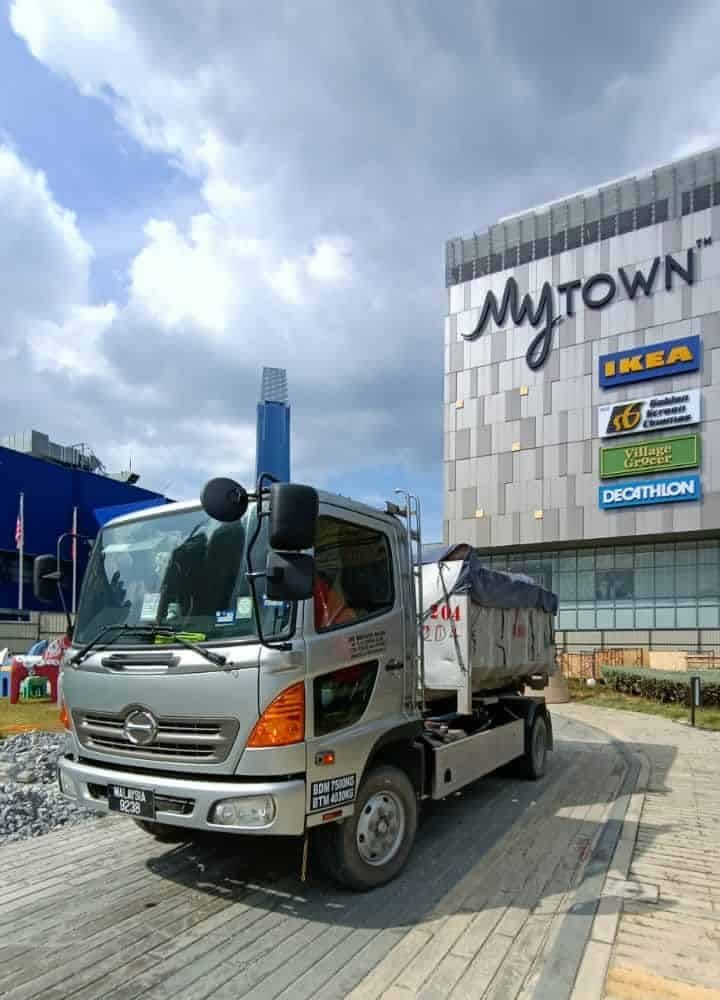
RENOVATION WASTE BIN RENTAL PETALING JAYA
Find The Right Size For Your Project

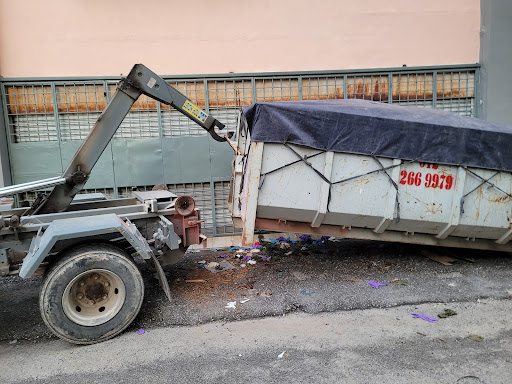
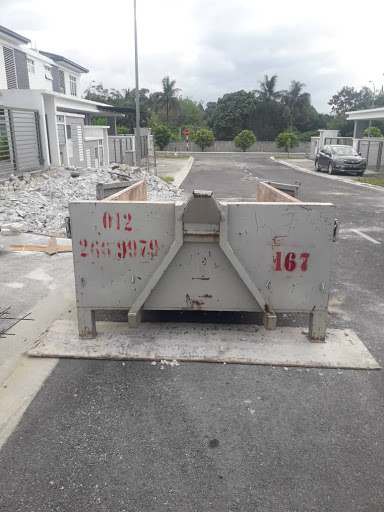
Small Roro Bin
Dimensions: 12′ (L) X 6′ (W) X 2.5′ (H)
Best Use: Heavy construction and demolition waste like concrete and soil.

Large Roro Bin
Dimensions: 12′ (L) X 6′ (W) X 4′ (H)
Best Use: Light-weight construction, industrial, commercial waste, furniture, household bulky waste, trees and etc.

Domestic Roro Bin
Dimensions: 12′ (L) X 6′ (W) X 4′ (H) with roof
Best Use: Domestic food waste (Organic waste).

Extra Giant Roro Bin
Dimensions: 16′ (L) X 8′ (W) X 6′ (H)
Best Use: Light-weight construction, industrial, commercial waste, furniture, household bulky waste, trees and etc.

Giant Roro Bin
Dimensions: 14′ (L) X 7′ (W) X 5.5′ (H)
Best Use: Light-weight construction, industrial, commercial waste, furniture, household bulky waste, trees and etc.
WHAT MAKES US DIFFERENT ?

Value Price

Express Service

Licensed Under Local Authorities

Quick Scheduling
TESTIMONIALS
-
Very efficient group. Called and came almost immediately. I've used them three times already. Very good service 👍🏽👍🏽
 Azura Lodin
July 6, 2024Good service from this company. Urgent request also can come. Other company will reject but this company will help you. Good drivers attitude. Will order again or perhaps can be my only roro bin supplier 😉
RD ONE ENGINEERING
June 6, 2024Servis Terbaik . Sangat puas hati, message pukul 10, pukul 12 boleh deliver hantar tong roro. Dan harga berpatutan.
Firdaus Samsudin
February 6, 2024responsive and prompt, recommended
nurul zain
September 6, 2023 -
Good servis 👍🏻
OMNI Fahmi
September 6, 2023Very fast response and very professional
Muhammad Zikri 'Ala
September 6, 2023Easy to contact, fast response & fast delivery
Zahran Daud
September 6, 2023Great service ⭐👍🏻
shahrin shahari
September 6, 2023 -
Very good and fast service i rate 5 stars
Amril Nurman Abdul Hamid
September 6, 20231. Their bins are clean. 2. Their trucks are well maintained. 3. They have a lot of bins. 4. Only problem is they're often late. 5. Overall good service and good attitude. 6. Will use them again. 7. Oh yeah, their trucks have nice number.
James Oh
September 6, 2022thank you for the giant bin. it's just nice to fit in our office waste. thank you for your good service and to your staff (uddy-driver) too . he is quite helpful..am gonna use your bin (roro) service next time for my house .
cindy fred
September 6, 2022I spent a few days calling different providers and this is one of the top ones (at least in 2021 so far!) Great value for the service provided. Can expect a bit of delay (it is Malaysia after all), but with the generous 10 days period it is still reasonable. I think better to call 2 days in advance to allow them to be on time. Driver was good and was able to move the bin into a tight spot
Calvin Tang
September 6, 2021 -
Absolutely reasonable price, great and timely, it definitely worth the recommendation. Surely will reorder in the future.
Jaeda TCY
September 6, 2021Found the contact online. Was looking for a rorobin to throw away old furniture. Very helpful in deciding which size to use. Used their service twice. Very satisfied.
Aman Almahdaly
September 6, 2021


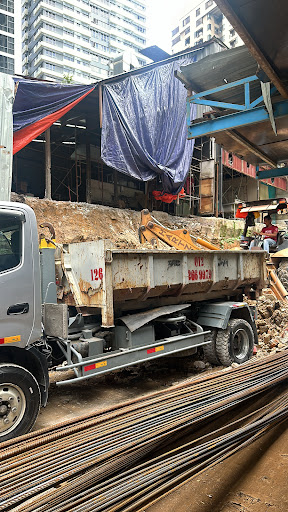


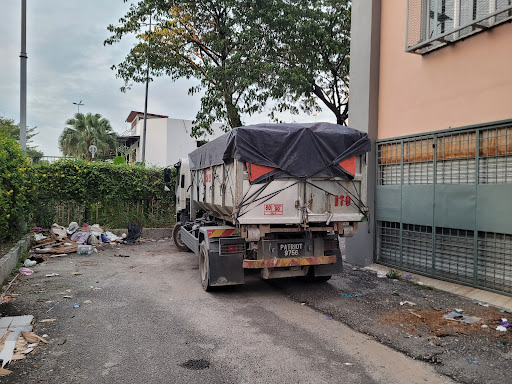




OUR CLIENTS


PROJECT REFERENCE


Renovation Waste Bin Rental Petaling Jaya (PJ)
Petaling Jaya jobs get delayed for simple, predictable reasons: condo guardhouse check-in, loading bay slot limits, basement height restrictions, and tight PJ roads during peak-hour traffic. If you need renovation waste bin rental Petaling Jaya without last-minute friction, lock the access and placement plan early—where the bin sits, how loading stays controlled, then pickup or swap scheduling depending on lorry slots.
We deliver a large waste bin for renovation debris, guide placement so the lorry can drop-off and later collect safely, and coordinate pickup or swap when your site is ready (subject to schedule). Works for condo refurbishments, landed house renovations, shoplot fit-outs, and contractor sites across PJ where access rules decide everything.
Send the essentials and we’ll recommend a bin size, check the nearest route window, and align a drop-off/pickup plan that fits your site constraints.
Send this info (to get a clean quote + slot check)
- Area in Petaling Jaya (landmark-level is enough; no full address needed)
- Job type + waste type (renovation debris, mixed waste, rubble-heavy, etc.)
- Size (small / medium / large, or “not sure”)
- Access type: condo / landed / shoplot / renovation site
- Access notes: narrow road, turning space, dead-end, basement entry, loading bay rules, guardhouse check-in
- Preferred slot: date + morning/midday/afternoon (include 1–2 options if possible)
- Pickup or swap preference (or “depends on output rate”)
- Coordination notes: PIC name + phone, lift booking/staging needs, height limit, building management rules, parking clearance
Booking Process (How It Works)
- Inquiry with area + waste type + access notes + preferred slot options
- Bin size suggestion based on output and site space
- Lorry slot check (route + realistic time window)
- Placement guidance: where the bin can sit without blocking gates, lanes, ramps, or loading bays
- Loading rules briefing: keep waste within the bin, control spillage, avoid unsafe stacking
- Drop-off scheduled with your PIC/guardhouse/management requirements (if any)
- Pickup or swap scheduled based on fill rate and available lorry slots; waste moves through standard transport/disposal flow (no exaggerated claims)
What Is a Waste Bin Rental for Renovation?
It’s a large bin delivered to your site for renovation and construction debris, then collected when you’re ready. The lorry needs enough space to place the bin safely and return later for pickup or a swap. This works best when access, placement, and loading rules are agreed upfront.
What’s Included / Not Included
Included
- Delivery / drop-off to your site (subject to route and access)
- Placement guidance based on maneuver space and site constraints
- Basic loading guidance to reduce overfill and spillage risk
- Pickup or swap scheduling (subject to lorry slots and site readiness)
- Timing updates aligned to ops routing and schedule changes
Not Included
- Restricted/prohibited waste handling (general guidance only—tell us what you’re disposing)
- Overfill or unsafe loading that creates pickup risk
- Permits or building management approvals (guardhouse/loading bay permissions, lift booking)
- Spill cleanup outside the bin or contamination around the placement area
- Manual carrying/hand-loading from inside the building unless separately agreed
How to Verify the Service Was Done Right (Quick Checklist)
- Delivery confirmed for the agreed time window
- Bin size matches what was discussed (no mismatch surprise)
- Placement respects site rules (gate clearance, loading bay lines, back-lane flow)
- Clear lorry maneuver path remains available for pickup day
- Load height controlled (not above the bin rim)
- No spillover around the placement area
- Pickup/swap requested early enough to fit route slots
- Site kept safe and tidy around the bin (especially during rain)
- PIC and timing communication is clear from start to finish
Typical Timeline & What Affects It
Timing can be quick when access is straightforward and lorry slots are available, and it can stretch when PJ traffic, condo rules, or tight maneuvering slows the route. Pickup and swaps depend on route planning and whether the site is ready when the lorry arrives.
What affects timeline most:
- Lorry slots and route density in PJ
- Peak-hour traffic and narrow approach roads
- Condo/management schedules (loading bay windows, guardhouse check-in, lift booking)
- Access constraints (basement height limits, tight turns, dead-end streets)
- Waste volume and output rate (how fast the bin fills)
- Need for swap (steady output often needs planning)
- Weather and rain-day containment
- Site readiness (blocked placement, cars not moved, rules not cleared)
Cost Drivers
Main cost drivers:
- Bin size
- Rental duration
- Waste type (light mixed debris vs rubble-heavy)
- Weight vs volume profile
- Access difficulty (tight turns, narrow roads, basement constraints)
- Time restrictions (loading bay windows, after-hours needs)
- Swap frequency (extra trips and route planning)
- Special handling needs (if required)
- Distance/route within the Petaling Jaya area
What a Fair Quote Should Include
- Recommended size + brief reason
- Drop-off scope and pickup/swap scope
- Assumed rental duration (and what changes it)
- Swap terms (when it’s needed, how to request)
- Loading/overfill rules that affect pickup
- Access assumptions (guardhouse/loading bay/basement notes)
- Waste type assumptions (mixed vs rubble-heavy)
- Site coordination needs (PIC, slot windows, clearance requirements)
- Standard transport/disposal flow outline (process clarity, no promises)
- Common add-on triggers: failed access, overfill, site not ready, extra trips
Local Notes for Petaling Jaya
Petaling Jaya is a mixed-access area where condo rules and road constraints can change the plan quickly. Many condos require guardhouse registration, fixed loading bay slots, and sometimes lift booking for debris staging—missing one detail can force a reschedule. Basements can be tricky: height limits, tight ramp turns, and no-space-to-turn layouts often make basement placement unrealistic, so a ground-level placement plan usually matters more than people expect.
For landed homes in PJ, street parking and narrow approach roads are the common blockers. Even if drop-off fits, pickup can fail later if cars crowd the turning space. Shoplots and offices often depend on back-lane conditions: delivery trucks, shared bins, and security controls can choke access, while after-hours windows may be more workable when the lane clears. Rain is another PJ reality—light debris can spread fast if the area around the bin isn’t kept contained.
How to avoid delays: share access notes early, assign a PIC who can coordinate on arrival, and provide 1–2 workable time slots for drop-off and pickup.
Common Local Scenarios (Condo / Landed / Renovation Site / Shoplot)
Condo / Apartment
- Confirm loading bay rules and whether a time slot booking is required
- Share guardhouse check-in steps and PIC contact for entry clearance
- If staging waste, confirm lift booking timing and where debris can sit briefly
- Watch basement height limits and tight ramp turns (if basement access is considered)
- Place the bin where it won’t block resident flow, ramps, or emergency access
- Manage light waste during rain to reduce mess around the bin area
- For pickup/swap, keep access clear and keep the load within the bin rim
Landed Home
- Choose placement that doesn’t block gates or neighbor access
- Check road width and turning space for the lorry
- Don’t create a choke point in narrow streets
- Clear parked cars for both drop-off and pickup (not only drop-off)
- Rain planning: contain light debris so it doesn’t scatter
- Load safely and keep all debris inside the bin (no overflow)
- Swap makes more sense when output is steady and fills fast
Renovation / Construction Site
- Separate rubble-heavy waste from mixed debris when possible
- Create a staging area so loading stays controlled and fast
- Keep the lorry path clear—turning space matters on pickup day
- Plan swap cadence early if waste output is daily
- Control dust/debris around the bin so the site stays workable
- Avoid restricted waste—ask first before mixing uncertain items
Office / Shoplot
Request swap early so it fits route slots and your operating hours
Use back-lane access when possible, but confirm it stays unblocked
After-hours can be more practical if daytime deliveries choke the lane
Confirm permission/management requirements if the bin sits near shared access
Keep walkway/customer access clear and avoid obstruction complaints
Coordinate security/guardhouse if access gates are involved
Control spill in the back-lane—mess triggers stop-work friction fast
RENOVATION WASTE BIN RENTAL PETALING JAYA FAQS
Condo-heavy pockets around PJ tend to run on booked loading bay windows with tight enforcement. If your building uses a slot system or limits lorry entry, share that rule upfront so scheduling is realistic. To proceed, send your PJ area, building type, and preferred time window.
Access changes: parked cars appear, the lane narrows, or the “temporary” space becomes blocked by renovation materials. Keep the maneuver path clear on pickup day, not just during delivery. If you want a fast slot check, share your access notes and pickup target day.
Guardhouse entry often depends on an on-call PIC who can confirm the job and direct placement quickly. Without a reachable PIC, time is lost inside a narrow delivery window. Share the condo type and who can authorize entry during your chosen slot.
Sometimes, but basement height limits and tight ramps often block safe lorry alignment and exit. If basement placement is required, confirm the height limit and ramp turning tightness first. Provide those constraints with your inquiry and we’ll advise the safer option.
Give four things: PJ area, waste type, access constraints, and 1–2 slot options. That’s enough for a size recommendation and route feasibility check. Submit those details and you’ll get a clear next step.
It’s workable when the back-lane stays passable and you have permission if it’s shared. The usual risk is lane blockage from deliveries and shared waste points. Tell us your shoplot setup and when the lane is least congested.
They can be, especially when double-parking reduces turning space. If the street is tight, placement needs to protect both neighbor access and pickup clearance. Share road tightness and parking conditions at your preferred time.
It depends on scope (single room vs full interior) and whether waste is rubble-heavy or mixed debris. Space for placement also matters. If unsure, send photos and a quick description of what’s being removed.
Don’t wait until the last minute—route slots can fill up, especially around busy PJ windows. Request pickup when the bin is nearing full and access can be kept clear. Share your target pickup day and we’ll check slot viability.
Swaps suit steady output where the bin fills quickly and work continues daily. Planning swaps early prevents downtime and keeps the site moving. Let us know your expected fill rate and rough project duration.
Preferred windows can be considered, but peak congestion affects route timing and maneuvering. A second slot option increases scheduling flexibility. Share two timing options and we’ll work from the most realistic one.
Keep waste inside the bin, control scatter (especially light debris), and avoid overflow that dirties shared areas. Clean edges reduce guardhouse/management friction fast. If you’re in a condo, include any “cleanliness” rules from management.
It usually turns into a reschedule because the lorry can’t wait indefinitely within a route. Confirm bay booking, approvals, and PIC readiness before locking the slot. If you’re still waiting on approval, tell us your earliest confirmed date.
Narrow roads, dead-ends with no turning room, basement constraints, strict loading bay windows, and guarded entry procedures. These add maneuver time and route friction. Share whichever applies and the quote stays accurate.
Most people mean the same outcome: a large bin delivered for renovation debris and collected later. The success factor is still access, placement, and controlled loading—not the label. If you’re comparing options, send your site type and constraints for a quick recommendation.