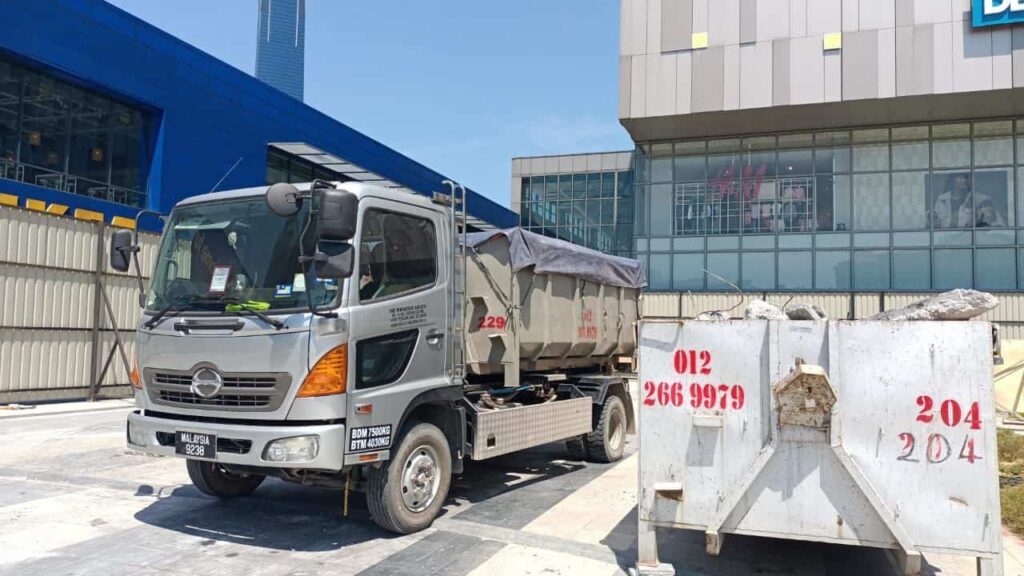

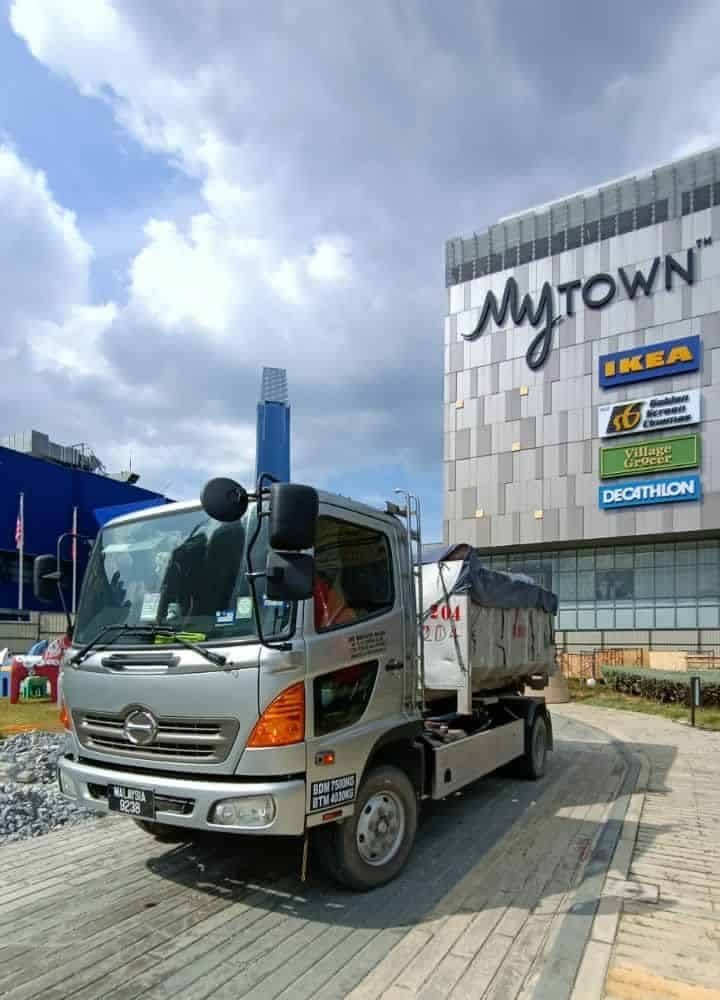
RORO BIN RENTAL BANDAR PENAWAR
Find The Right Size For Your Project

Small Roro Bin
Dimensions: 12′ (L) X 6′ (W) X 2.5′ (H)
Best Use: Heavy construction and demolition waste like concrete and soil.

Large Roro Bin
Dimensions: 12′ (L) X 6′ (W) X 4′ (H)
Best Use: Light-weight construction, industrial, commercial waste, furniture, household bulky waste, trees and etc.

Domestic Roro Bin
Dimensions: 12′ (L) X 6′ (W) X 4′ (H) with roof
Best Use: Domestic food waste (Organic waste).

Extra Giant Roro Bin
Dimensions: 16′ (L) X 8′ (W) X 6′ (H)
Best Use: Light-weight construction, industrial, commercial waste, furniture, household bulky waste, trees and etc.

Giant Roro Bin
Dimensions: 14′ (L) X 7′ (W) X 5.5′ (H)
Best Use: Light-weight construction, industrial, commercial waste, furniture, household bulky waste, trees and etc.
WHAT MAKES US DIFFERENT ?

Value Price

Express Service

Licensed Under Local Authorities

Quick Scheduling
TESTIMONIALS
-
Very efficient group. Called and came almost immediately. I've used them three times already. Very good service 👍🏽👍🏽
 Azura Lodin
July 6, 2024Good service from this company. Urgent request also can come. Other company will reject but this company will help you. Good drivers attitude. Will order again or perhaps can be my only roro bin supplier 😉
RD ONE ENGINEERING
June 6, 2024Servis Terbaik . Sangat puas hati, message pukul 10, pukul 12 boleh deliver hantar tong roro. Dan harga berpatutan.
Firdaus Samsudin
February 6, 2024responsive and prompt, recommended
nurul zain
September 6, 2023 -
Good servis 👍🏻
OMNI Fahmi
September 6, 2023Very fast response and very professional
Muhammad Zikri 'Ala
September 6, 2023Easy to contact, fast response & fast delivery
Zahran Daud
September 6, 2023Great service ⭐👍🏻
shahrin shahari
September 6, 2023 -
Very good and fast service i rate 5 stars
Amril Nurman Abdul Hamid
September 6, 20231. Their bins are clean. 2. Their trucks are well maintained. 3. They have a lot of bins. 4. Only problem is they're often late. 5. Overall good service and good attitude. 6. Will use them again. 7. Oh yeah, their trucks have nice number.
James Oh
September 6, 2022thank you for the giant bin. it's just nice to fit in our office waste. thank you for your good service and to your staff (uddy-driver) too . he is quite helpful..am gonna use your bin (roro) service next time for my house .
cindy fred
September 6, 2022I spent a few days calling different providers and this is one of the top ones (at least in 2021 so far!) Great value for the service provided. Can expect a bit of delay (it is Malaysia after all), but with the generous 10 days period it is still reasonable. I think better to call 2 days in advance to allow them to be on time. Driver was good and was able to move the bin into a tight spot
Calvin Tang
September 6, 2021 -
Absolutely reasonable price, great and timely, it definitely worth the recommendation. Surely will reorder in the future.
Jaeda TCY
September 6, 2021Found the contact online. Was looking for a rorobin to throw away old furniture. Very helpful in deciding which size to use. Used their service twice. Very satisfied.
Aman Almahdaly
September 6, 2021


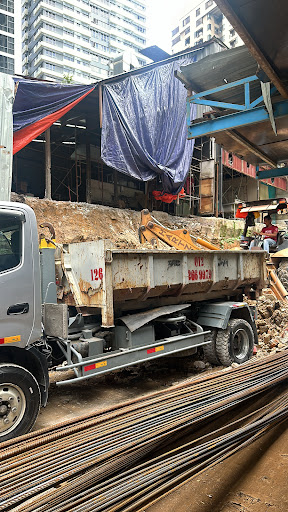


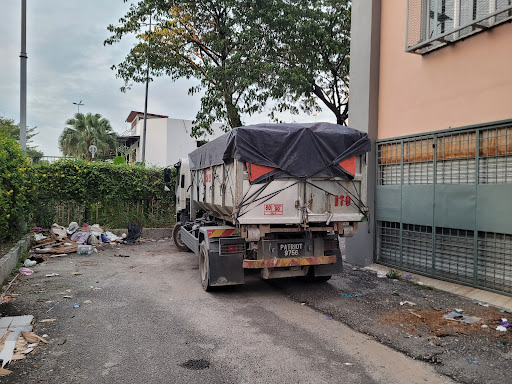




OUR CLIENTS


PROJECT REFERENCE


RORO Bin Rental Bandar Penawar
In Bandar Penawar, RORO bin rental only works smoothly when access is checked early. Condo guardhouse procedures, loading bay timing, narrow roadside parking, and back-lane clearance can affect where the bin goes and whether the lori can enter without wasting a trip.
Local RORO Bin Team handles RORO bin rental Bandar Penawar for renovation debris, construction waste, and bulky disposal, with drop-off plus pickup or swap arranged based on site needs and lorry slots. The useful details to send first are simple: your area, waste type, site condition, access limits, and preferred timing.
That matters here because some jobs look straightforward until building management asks for a loading bay slot, a landed street is too tight for clean turning, or a shoplot back-lane is blocked during operating hours. Placement must be practical, loading must stay within safe limits, and pickup vs swap depends on how fast the bin will fill.
Send an inquiry with your location, waste type, access notes, and preferred slot. The next step is scope review, size suggestion, and a workable drop-off/pickup plan with fewer surprises.
Booking Process (How It Works)
1. Send the Job Basics
Share:
- Area in Bandar Penawar
- Waste type
- Estimated volume
- Site type: condo, landed, shoplot, or renovation site
- Access notes: guardhouse, loading bay, basement, narrow road, back-lane, or gate width
- Preferred drop-off timing
2. Scope Gets Reviewed
The job is checked based on:
- Suitable bin size
- Placement practicality
- Whether standard pickup is enough or swap may be needed
- Whether access could delay delivery
3. Drop-Off Plan Is Set
Once the scope is clear, the drop-off is arranged subject to schedule and available lori slots.
4. You Load the Bin
Load evenly and keep material within the bin line. Do not leave items sticking out or create unsafe side loading.
5. Pickup or Swap
When the bin is ready, request pickup. If the site is still active and the bin is full, swap may make more sense than waiting until the whole job ends.
6. Final Scope Check
If site conditions changed after drop-off, that should be flagged early so the pickup side stays smooth.
What Is a RORO Bin (Tong Roro)?
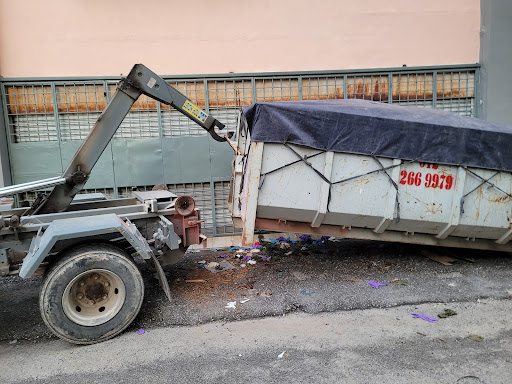
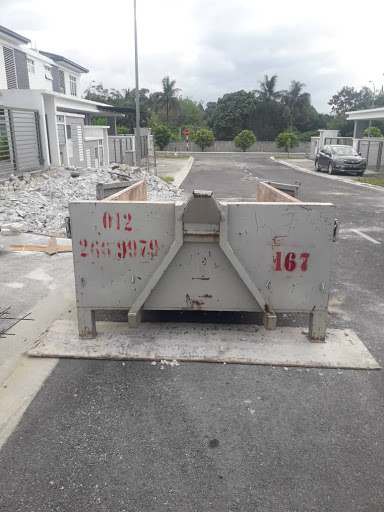
A RORO bin, also called a tong roro, is a large waste container moved by a roll-on roll-off lori. The bin is dropped at your site, loaded over time, then collected later or swapped for another unit if the job is still ongoing.
It is commonly used for renovation waste, construction debris, and bulky disposal where normal bag collection is not practical.
What’s Included / Not Included
What’s Usually Included
- Bin drop-off
- Temporary on-site bin placement
- Waste collection by scheduled pickup
- Swap planning if the job may need a second cycle
- Basic scope review based on waste type and access notes
What’s Usually Not Included
- Exact timing guarantees
- Building management approvals
- Lift booking arrangements
- Manual moving of waste from inside the unit to the bin
- Special handling outside normal declared scope
- Unclear last-minute changes with no access update
How to Verify the Service Was Done Right (Quick Checklist)
- The dropped bin matches the agreed job scope.
- The placement does not block obvious access, drainage, or essential movement paths.
- Entry conditions were followed based on the site type.
- The loading method is clear before the job starts.
- Pickup vs swap was explained based on expected fill speed.
- Access restrictions were flagged before delivery, not after.
- Waste stayed within practical loading limits.
- The pickup request was made with updated site readiness notes.
Typical Timeline & What Affects It
Timing depends on slot availability, access complexity, and how ready the site is when the lori arrives.
What usually affects the job:
- Whether the site is fully ready for drop-off
- Guardhouse or management procedures
- Loading bay timing restrictions
- Weather conditions
- Narrow-road access or difficult turning
- Whether pickup is requested early enough
- Whether a swap is needed instead of a simple pickup
For renovation and construction jobs, earlier planning usually reduces avoidable delays. If the site has access controls, mention them at inquiry stage instead of after slot allocation.
Cost Drivers
Pricing is usually shaped by scope, not by one flat number.
Main cost drivers:
- Bin size needed
- Waste volume
- Type of waste loaded
- How easy or difficult the drop-off point is
- Travel distance and routing
- Whether the site needs special timing
- Whether you need pickup only or swap coordination as well
- Whether the site setup increases lori waiting time
A simple landed placement is usually easier to plan than a condo loading bay job, basement entry issue, or shoplot back-lane drop with restricted timing.
Local Notes for Bandar Penawar
Bandar Penawar jobs often need better access notes than people expect. A site may look open enough on first glance, but actual delivery can still slow down because of guardhouse check-in, loading bay queueing, or limited roadside space for clean bin placement. That is especially relevant for condo and managed properties where entry approval is separate from the actual unloading work.
For landed jobs, the issue is often turning space, parked cars, gate-side clearance, or a street layout that does not give the lori an easy exit after the bin is set down. Tight approach angles matter. Dead-end stretches and narrow side roads can also make a difference, especially if the drop point is too deep inside the lane.
For shoplots and office rows, back-lane practicality matters more than people think. Timing can be easier after business hours, but only if access is still clear and permission is already sorted. Basement areas can be another problem if there are height limits, low beams, or tight turns that do not suit the lori approach.
Rainy-day planning also matters. Wet waste, loose material, and poor site containment can slow loading and make the pickup side messier than necessary.
The best way to avoid delays is simple: send access notes early, include the on-site PIC, and flag your preferred time slot before the lori is assigned.
Common Local Scenarios (Condo / Landed / Renovation Site / Shoplot)
Condo
The main issue is usually management control rather than waste volume. Guardhouse entry, loading bay reservation, and lift booking can affect whether the bin arrives at the right time and whether loading can happen without disruption.
Landed
Landed jobs are often easier, but narrow roads, parked vehicles, and poor turning radius can still cause a problem. Good placement matters because the bin should be usable without creating access trouble for the street.
Renovation Site
Renovation jobs usually need better volume judgment. If debris is building quickly, waiting too long for pickup can slow the work area. In some cases, swap planning is more practical than a single-bin approach.
Shoplot
Shoplot jobs often depend on back-lane access and working-hour practicality. If the lane is active, blocked, or shared with deliveries, timing becomes just as important as bin size.
RORO BIN RENTAL BANDAR PENAWAR FAQS
Yes. This is one of the more common use cases in Bandar Penawar, especially for landed homes clearing renovation debris, old fittings, tiles, wood, and bulky waste. The main thing is to share whether the bin can be placed inside the compound or needs roadside placement.
They can. Some guarded neighbourhoods require guardhouse registration, visitor entry approval, or advance notice before a lori can enter. It helps to mention this early so the drop-off plan is not built on the wrong assumption.
Yes, but access and timing matter more. In areas with resort-style properties, homestays, or managed developments, delivery may need to work around guest traffic, management rules, or narrower internal roads.
Sometimes, but it depends on frontage space, passing traffic, and whether the area stays busy during operating hours. For shoplots, back-lane or side access is often more practical than front placement.
Most bookings are for renovation waste, construction debris, mixed bulky waste, and site clearing material. The job should still be described clearly before delivery so the scope matches the actual loading plan.
Yes. That helps with delivery planning, especially where roadside stopping is less practical or where access becomes tighter during working hours. A simple location note can make the slot planning more realistic.
Yes. For active sites, the better question is whether you need one bin with later pickup or a swap plan because debris can build up quickly. That is easier to decide once the waste pace and site layout are known.
Possibly, but road width alone is not the full issue. Turning space, parked vehicles, gate position, and the lori’s exit path all matter. A photo or a clear description of the frontage helps reduce wrong placement assumptions.
Make sure the drop area is clear, the access route is usable, and any guardhouse or site PIC is already informed. If the bin is for renovation work, it also helps to know whether the waste will be loaded steadily or only after hacking and dismantling are done.
Yes, especially for open-site work, loose debris, and soft ground conditions. Rain can slow loading, affect site cleanliness, and make pickup less smooth if waste is scattered or the area becomes messy around the bin.
Yes. It can be practical for major clear-outs involving furniture, old cabinets, mattresses, doors, and other large items that do not fit normal waste collection. The key is to estimate volume properly before the bin size is suggested.
Usually when the bin is close to full and the site is ready for collection without new access problems. For renovation jobs, it is better not to wait until overflow becomes the issue.
Swap is more useful when the project is still running and stopping work to wait for an empty bin would slow everything down. This is common for heavier renovation phases or active construction clearing.
Usually not the waste itself. More often it is late access updates, blocked frontage, guardhouse issues, unclear placement instructions, or a site that is still not ready when the lori slot comes up.
Send the area, property type, waste type, estimated amount, access notes, and your preferred timing. That gives enough to check whether the job suits a simple drop-off and pickup or needs a more careful plan.