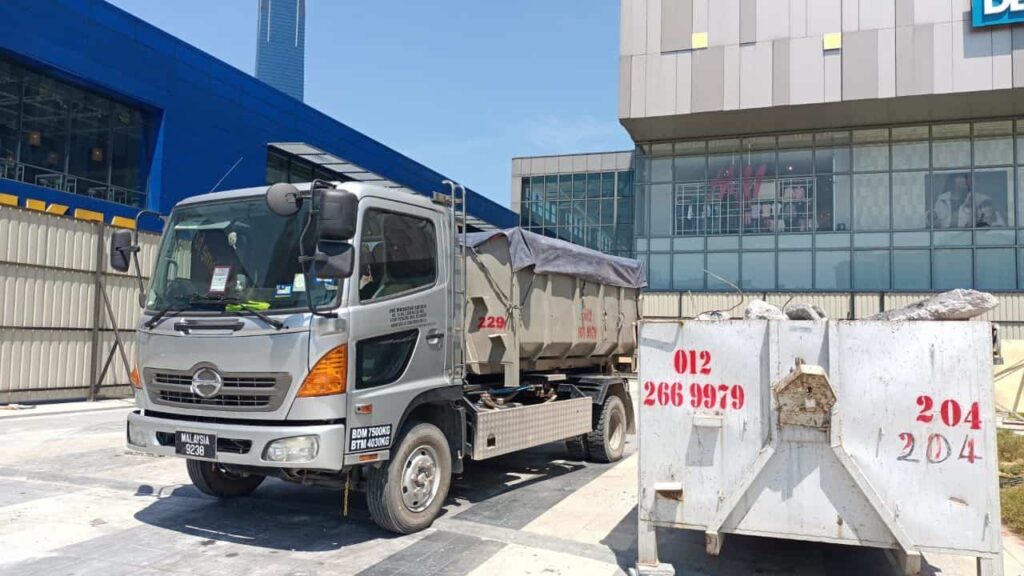

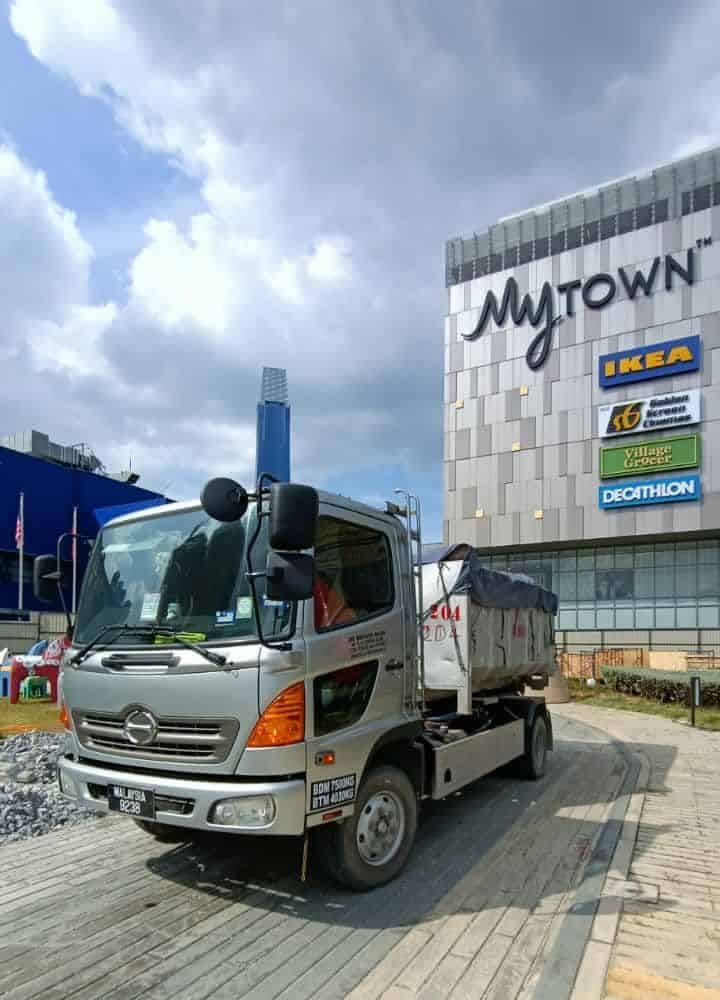
RORO BIN RENTAL BANDAR SUNWAY
Find The Right Size For Your Project

Small Roro Bin
Dimensions: 12′ (L) X 6′ (W) X 2.5′ (H)
Best Use: Heavy construction and demolition waste like concrete and soil.

Large Roro Bin
Dimensions: 12′ (L) X 6′ (W) X 4′ (H)
Best Use: Light-weight construction, industrial, commercial waste, furniture, household bulky waste, trees and etc.

Domestic Roro Bin
Dimensions: 12′ (L) X 6′ (W) X 4′ (H) with roof
Best Use: Domestic food waste (Organic waste).

Extra Giant Roro Bin
Dimensions: 16′ (L) X 8′ (W) X 6′ (H)
Best Use: Light-weight construction, industrial, commercial waste, furniture, household bulky waste, trees and etc.

Giant Roro Bin
Dimensions: 14′ (L) X 7′ (W) X 5.5′ (H)
Best Use: Light-weight construction, industrial, commercial waste, furniture, household bulky waste, trees and etc.
WHAT MAKES US DIFFERENT ?

Value Price

Express Service

Licensed Under Local Authorities

Quick Scheduling
TESTIMONIALS
-
Very efficient group. Called and came almost immediately. I've used them three times already. Very good service 👍🏽👍🏽
 Azura Lodin
July 6, 2024Good service from this company. Urgent request also can come. Other company will reject but this company will help you. Good drivers attitude. Will order again or perhaps can be my only roro bin supplier 😉
RD ONE ENGINEERING
June 6, 2024Servis Terbaik . Sangat puas hati, message pukul 10, pukul 12 boleh deliver hantar tong roro. Dan harga berpatutan.
Firdaus Samsudin
February 6, 2024responsive and prompt, recommended
nurul zain
September 6, 2023 -
Good servis 👍🏻
OMNI Fahmi
September 6, 2023Very fast response and very professional
Muhammad Zikri 'Ala
September 6, 2023Easy to contact, fast response & fast delivery
Zahran Daud
September 6, 2023Great service ⭐👍🏻
shahrin shahari
September 6, 2023 -
Very good and fast service i rate 5 stars
Amril Nurman Abdul Hamid
September 6, 20231. Their bins are clean. 2. Their trucks are well maintained. 3. They have a lot of bins. 4. Only problem is they're often late. 5. Overall good service and good attitude. 6. Will use them again. 7. Oh yeah, their trucks have nice number.
James Oh
September 6, 2022thank you for the giant bin. it's just nice to fit in our office waste. thank you for your good service and to your staff (uddy-driver) too . he is quite helpful..am gonna use your bin (roro) service next time for my house .
cindy fred
September 6, 2022I spent a few days calling different providers and this is one of the top ones (at least in 2021 so far!) Great value for the service provided. Can expect a bit of delay (it is Malaysia after all), but with the generous 10 days period it is still reasonable. I think better to call 2 days in advance to allow them to be on time. Driver was good and was able to move the bin into a tight spot
Calvin Tang
September 6, 2021 -
Absolutely reasonable price, great and timely, it definitely worth the recommendation. Surely will reorder in the future.
Jaeda TCY
September 6, 2021Found the contact online. Was looking for a rorobin to throw away old furniture. Very helpful in deciding which size to use. Used their service twice. Very satisfied.
Aman Almahdaly
September 6, 2021


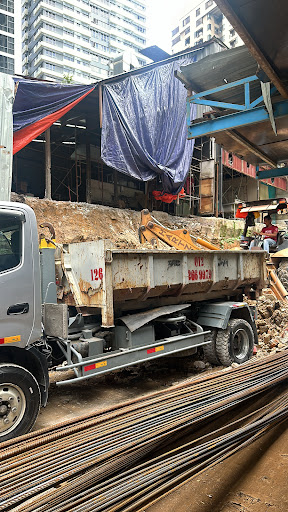


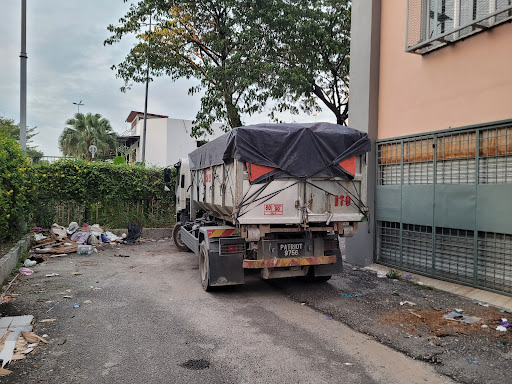




OUR CLIENTS


PROJECT REFERENCE


Roro bin rental Bandar Sunway: Streamlining waste management in your area
In a rapidly urbanising world, efficient and responsible disposal of rubbish is crucial. Roro bin rental in Bandar Sunway has emerged as a practical and eco-friendly solution for handling waste. We explore the concept of roro bin rental in Bandar Sunway, its benefits, how it works, suitable applications, and valuable tips for making the most of this waste management option.
What is roro bin rental?
Roro bin rental, short for “Roll-On/Roll-Off,” is a waste management service that provides large open-top containers designed to hold various types of waste. These bins, commonly known as roro bins or roro skips, are transported and disposed of using specialised trucks, making waste collection and disposal an efficient process.
Why choose roro bins?
- Convenience: Roro bins are incredibly user-friendly, making waste disposal a hassle-free process for both residential and commercial users.
- Versatility: They come in various sizes, accommodating different volumes of waste, from small-scale clean-ups to large construction projects.
- Cost-efficiency: Renting a roro bin is a cost-effective alternative to multiple trips to the landfill.
The advantages of roro bin rental in Bandar Sunway
Convenient waste disposal
One of the primary benefits of roro bin rental in Bandar Sunway is the convenience it offers. Whether you are handling debris from construction, home renovation, or simply decluttering, having a spacious roro bin on-site makes waste disposal a breeze. Instead of making multiple trips to the landfill, you can conveniently fill up the bin and have it collected when you are done.
Environmentally friendly
Roro bin rental in Bandar Sunway contributes to environmental sustainability. The waste collected in these bins is disposed of at a certified landfill, minimising the impact on the environment.
Cost-effective solution
Opting for roro bin rental in Bandar Sunway can prove cost-effective in comparison to traditional waste disposal methods. The convenience of having a large bin on-site reduces transportation costs, and you only pay for the specific bin size you require. Moreover, the time and effort saved translate into cost savings for your project.
Versatility and capacity
Roro bins come in various sizes, providing the flexibility to choose the one that best suits your needs. Whether you have a small residential project or a large commercial undertaking, there’s a roro bin size that can accommodate your waste volume.
Safety and hygiene
The sturdy construction of roro bins ensures that waste is securely contained, preventing spillage and maintaining a clean environment.
How to rent a roro bin in Bandar Sunway
Booking process
Based on your project’s scope, choose an appropriate bin size. We can provide guidance on this based on the type and volume of waste.
Delivery and placement
Once you’ve booked a roro bin, we will arrange for delivery to your location. The bin will be placed in a suitable spot, taking into consideration accessibility and safety factors.
Filling the roro bin
During the rental period, fill the roro bin with the designated waste materials. Be mindful of the allowed waste types and avoid overloading the bin beyond its capacity.
Collection and disposal
When your project is complete or the rental period ends, schedule the collection of the filled roro bin. We will transport the bin to a certified landfill where the contents will be appropriately managed.
Choosing the right roro bin size
Selecting the correct bin size is crucial to ensure efficient waste management. Choosing a bin that is too small may lead to overflow, while a bin that is too large can result in unnecessary costs. Consider the scale of your project and the estimated amount of waste to make an informed decision.
Common applications of roro bin rental in Bandar Sunway
Construction sites
Construction sites generate large amounts of waste that necessitate a robust waste management solution. Roro bin rental in Bandar Sunway offers construction companies a convenient way to handle construction debris and keep the site organised.
Home renovations
Home renovations often produce substantial waste, including old fixtures, building materials, and furniture. Renting a roro bin simplifies the waste removal process during home improvement projects.
Commercial projects
From office cleanouts to commercial building demolitions, roro bin rental in Bandar Sunway is an efficient option for managing commercial waste streams.
Events and festivals
Large gatherings, events, and festivals generate significant waste. Roro bins strategically placed throughout the venue can encourage proper waste disposal and ease post-event cleanup.
Tips for efficient roro bin use
Maximising space
Optimise the use of the roro bin’s space by breaking down large items and compacting waste where possible. This ensures efficient utilisation and reduces the number of bin pickups required.
Safety measures
When using a roro bin, follow safety guidelines to prevent accidents or injuries. Do not overload the bin and avoid disposing of hazardous materials that could pose a risk to the collection personnel.
The future of roro bins in waste management
Technological advancements
Incorporating smart technologies into roro bins can enhance waste collection and monitoring processes.
Integration with smart city concepts
Roro bins can play a vital role in smart city initiatives by contributing to efficient waste management systems.
Roro bin rental in Bandar Sunway is a valuable waste management solution that offers numerous benefits for individuals and businesses. The convenience of having a large, open-top container on-site for waste disposal makes it a popular choice for various projects, from construction sites to home renovations and commercial ventures. Moreover, its eco-friendly nature ensures that waste is handled responsibly, contributing to a cleaner and more sustainable environment.
By adhering to proper waste segregation practices and maximising the bin’s space, users can optimise their roro bin rental experience. It’s essential to be mindful of prohibited waste items and comply with safety measures to ensure a smooth and accident-free waste disposal process.
Roro bin rental in Bandar Sunway not only simplifies waste management but also proves to be a cost-effective solution. The ability to choose from different bin sizes allows users to tailor their waste management plan according to the specific requirements of their projects.
If you have upcoming projects that involve waste disposal, consider opting for roro bin rental as your waste management solution. Not only will you save time and effort, but you’ll also be contributing to the preservation of our environment.
RORO BIN RENTAL BANDAR SUNWAY FAQS
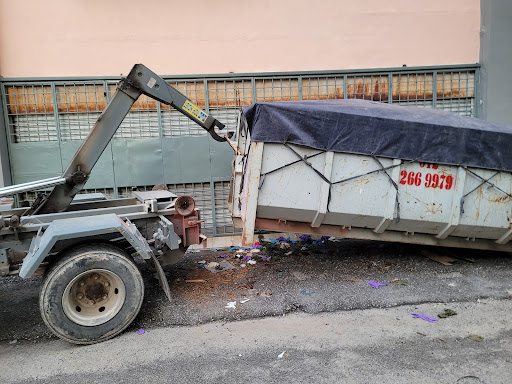
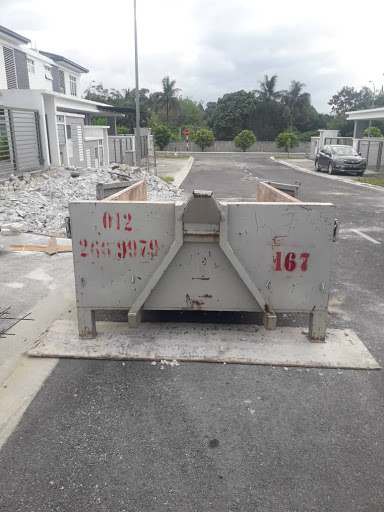
A roll-on/roll-off bin, commonly known as roro bin, is a container utilised for the transport and disposal of waste. These bins are rectangular in shape and made of welded steel, featuring an open top and fully opening rear doors that facilitates the effortless disposal of waste, junk, debris, and trash. The bins are loaded onto a roro specialised truck equipped with hydraulic lifting systems by rolling them on and off, hence the term “Roro”. These bins are specifically designed to accommodate waste disposal and transportation, making them a popular choice for waste disposal services.
Roro bin rental Bandar Sunway have become increasingly popular as a result of the various benefits they offer over traditional waste disposal services.
1. Cost-Effective: Roro bin rental Bandar Sunway are a cost-effective waste disposal solution for businesses and individuals. Our roro bins with larger capacity can accommodate a greater amount of waste, eliminating the need for multiple waste bins and frequent trips to the landfill, ultimately resulting in significant cost savings.
2. Environmentally-Friendly: Roro bin rental Bandar Sunway for waste disposal is a sustainable and environmentally friendly alternative to traditional waste disposal services. Our roro bins are designed to accommodate substantial amounts of waste, leading to a decrease in trips to the landfill, resulting in a reduction of carbon emissions and an overall lesser impact on the environment. Incorporating roro bin rental Bandar Sunway can effectively aid in curbing the negative effects of waste on the environment. By choosing to utilise roro bins, we can take a step towards a greener future, ultimately contributing to a cleaner and healthier environment.
3. Increased Safety: Roro bins are designed for safety. They have a strong and broad base that promotes stability and minimises the risk of tipping over. They are also equipped with safety features such as locking mechanisms to prevent spills, ensuring optimal safety for workers on-site. The maintenance of a clean and well-organised workplace is critical in safeguarding the well-being of workers. Roro bin rental Bandar Sunway can help keep debris and waste contained, thereby reducing the risk of accidents and injuries on site.
4. Convenience: Roro bin rental Bandar Sunway are convenient and user-friendly solutions for waste disposal. With their rear door access, loading waste materials into these bins is a breeze. Furthermore, they can be placed directly on-site, making it unnecessary to transport waste materials to a temporary location. The convenience of roro bins translates into significant time savings and reduces the inconvenience of dealing with waste disposal.
5. Versatility: Roro bins are versatile and can accommodate a variety of waste materials, including construction waste, demolition waste, household bulky waste, industrial waste, commercial waste, furniture, trees, garden waste, domestic food waste and organic waste. We offer an extensive selection of roro bins in different sizes, making it effortless to select the perfect size for your waste disposal requirements.
The first choice to make when renting a roro bin is what size you need.
Small roro bin is 12 feet long x 6 feet wide x 2 ½ feet high.
Large roro bin is 12 feet long x 6 feet wide x 4 feet high.
Domestic roro bin is 12 feet long x 6 feet wide x 4 feet high with roof.
Giant roro bin is 14 feet long x 7 feet wide x 5 ½ feet high.
Extra Giant roro bin is 16 feet long x 8 feet wide x 6 feet high.
All rates are dependent on:
1. Roro bin size
2. Duration of rental period
Use these 3 easy steps to estimate your roro bin rental Bandar Sunway cost.
1. Know the contents of the waste for disposal. This helps with estimating volume and weight.
2. Choose the right size of roro bin. Call or whatsapp to speak with one of our friendly customer service team members if you have any questions about the right size for your rental.
3. Estimate how long you plan to have your roro bin on site. Daily or weekly rentals are available.
One Innovative Builder is proud of our commitment to adhering to hazardous waste precautions. The protection of the environment is of utmost importance to us. We recognize that substances such as harmful chemicals, flammable liquids and medical waste pose significant environmental hazards and should not be disposed of in roro bins. We are dedicated to ensuring that waste disposal is carried out only at certified landfill, as this helps to minimise the negative impact on the environment. By taking these precautions, we aim to contribute to a cleaner and safer environment.
Our team of experts has over 10 years of experience in waste disposal services, heavy machinery rentals services and supplying fine sand, coarse sand, 3/4 aggregate and crusher run. We have established a reputation for delivering reliable, efficient, and cost-effective waste disposal services. We specialise in roro bin rental Bandar Sunway services and offer top-quality roro bins that come in an extensive range of skip bin sizes from the smallest to the largest that are tailored to meet the diverse requirements of any project, from minor residential renovations to large commercial construction projects. Our roro bins undergo regular maintenance and thorough cleaning to ensure that they are always in excellent condition for rental.
We prioritise punctual waste removal as a crucial advantage of working with us. We understand that any delays in waste disposal can cause interruptions in your project timeline and result in extra expenses. Hence, we provide convenient and efficient waste disposal services that cater to your urgent needs without any hassle. Our team works with a sense of urgency and proficiency to ensure your project progresses according to the schedule without interruptions. By implementing efficient waste management solutions, we enable you to save time and money by minimising project downtime.
We recognise that cost is an important factor and that’s why we offer pricing that is both transparent and valuable. You can trust us to be upfront with our pricing, as we believe in transparency, which means no hidden fees or unexpected charges. Our pricing policy is designed to provide you with the confidence to budget and plan accordingly without any apprehension.
We are licensed and accredited under a variety of local authorities including JPSPN, SWCORP, PPSPPA, CIDB, DBKL, and ALAM FLORA. As a responsible waste management company, we adhere strictly to all relevant environmental regulations to guarantee safe and responsible waste disposal at a certified landfill. We take responsibility to protect the environment and minimise our carbon footprint.
We have the privilege of collaborating with a varied spectrum of clients including MRT, condominiums, industrial factories, hospitals, auditoriums, and home renovation projects. Our extensive experience has enabled us to cater to over 20,000++ satisfied clients, and we hold transparency as a paramount value in our business practices. Our commitment to keeping our clients informed throughout the entire process ensures their satisfaction and fosters a long-term relationship. Our primary objective is to provide our clients with exceptional services, and we believe in earning their trust and loyalty. To achieve this, we continuously invest in the latest equipment and technology, ensuring that we stay ahead of the curve.
Our drivers are highly skilled and well-trained to handle transportation and waste disposal with utmost safety and efficiency. We ensure that our drivers are not only expert and skilled but also maintain a friendly and welcoming approach towards our customers, ensuring that they receive the finest services. Our commitment to excellence drives us to go above and beyond to meet and exceed the expectations of our clients. We take great care in delivering seamless waste disposal services.
We are committed to delivering exceptional customer service to all of our clients. Our team of friendly professionals is always ready to provide you with any assistance. We understand the importance of time in completing your projects, and we are fully dedicated to ensuring that you meet your deadlines. We offer flexible rental periods and quick scheduling options that cater to your specific project requirements. Whether you need a roro bin for a short-term or long-term rental, we work closely with our clients to understand their needs and provide tailored solutions that fulfil their unique demands.
We understand that every project has unique requirements, and that’s why we go beyond just providing roro bin rentals Bandar Sunway. Our goal is to support you from the beginning to the end of your project by offering a diverse range of services. We recognize that hardware construction items such as fine sand, coarse sand, 3/4 aggregate and crusher run are essential to the success of your project. Therefore, we provide supply and transport services for these items. Our team of experts will work closely with you to fully comprehend your specific hardware construction item requirements and offer customised solutions that meet your needs. We only use top-quality materials and ensure that our transport services are reliable and efficient, giving you peace of mind to focus on your project without any distractions.
We also offer an extensive range of heavy machinery rental services that cater to your specific requirements. Our vast selection includes breakers, backhoes (JCB and CASE), lorry cranes, sky lifts, mobile cranes, lorry trailers, and lorry transport services. Our fleet of equipment is well-maintained to ensure optimal performance and is available for both short-term and long-term rentals. Our team of experts will work in collaboration with you to determine the ideal machinery for your project. We understand that waste disposal is just one aspect of your project, and we strive to support you throughout the entire process.