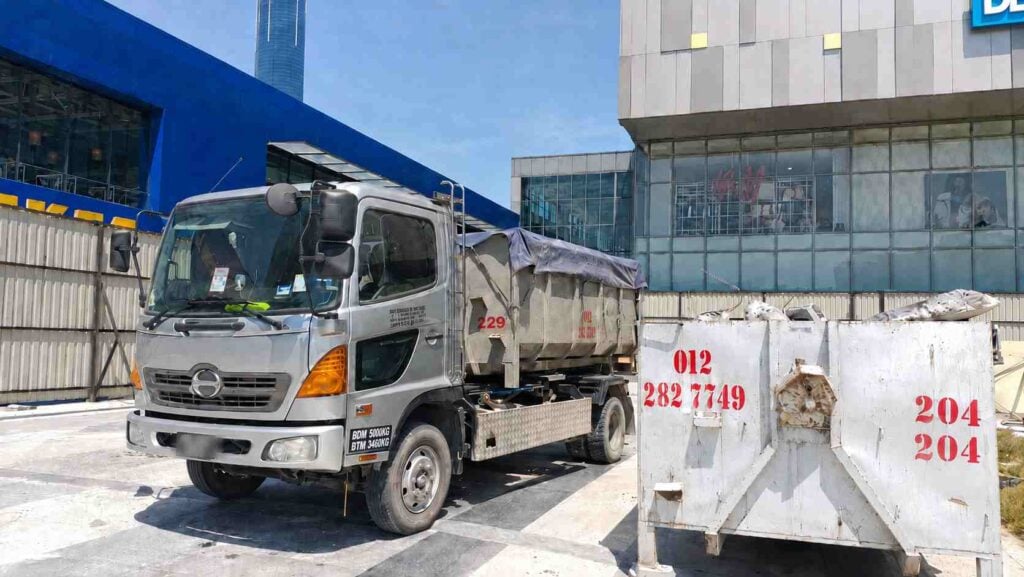


RORO BIN RENTAL MELAKA
Find The Right Size For Your Project
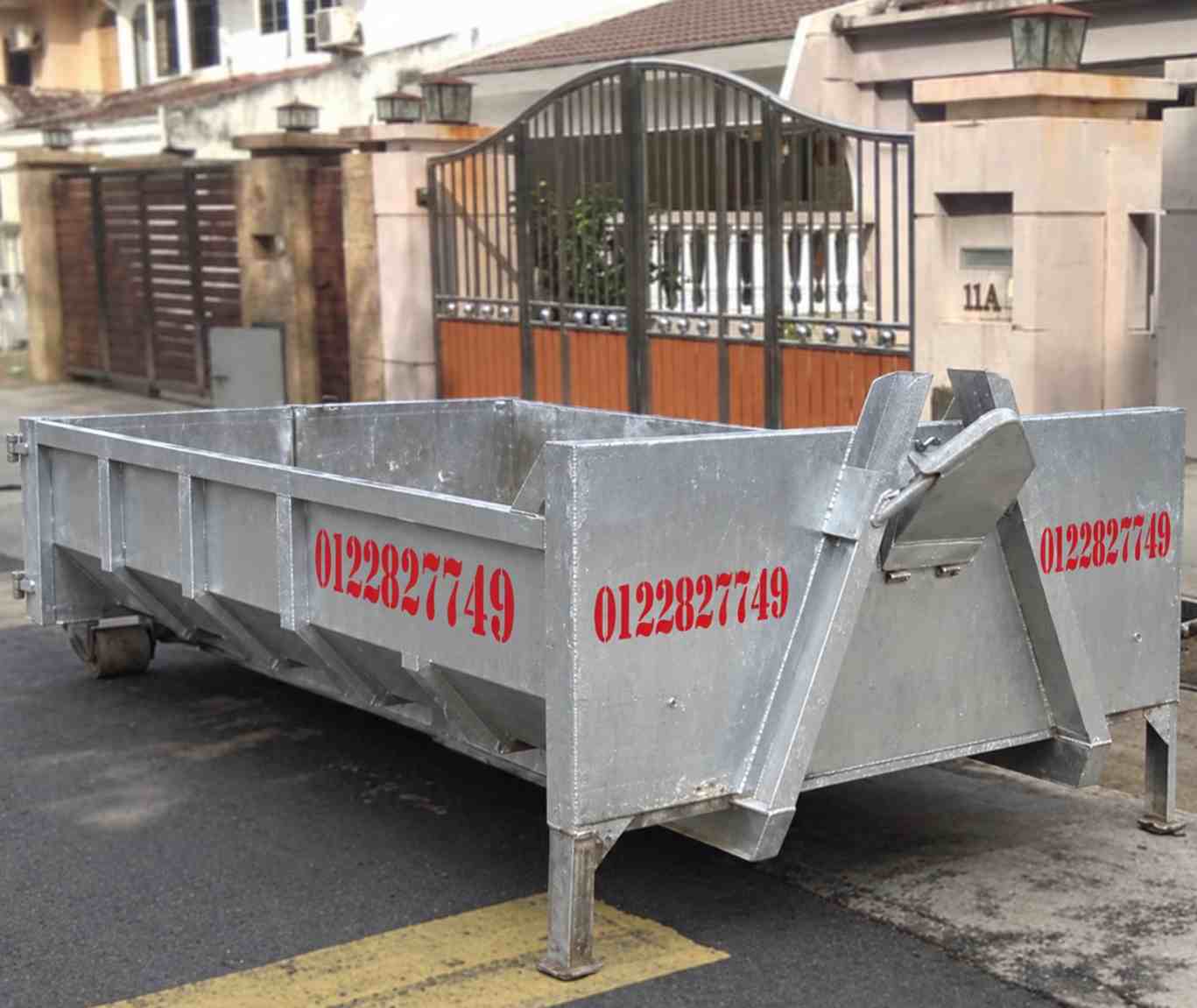
Small Roro Bin 2ft
Dimensions: 11′ (L) X 6′ (W) X 2′ (H)
Best Use: Heavy construction and demolition waste like concrete and soil.
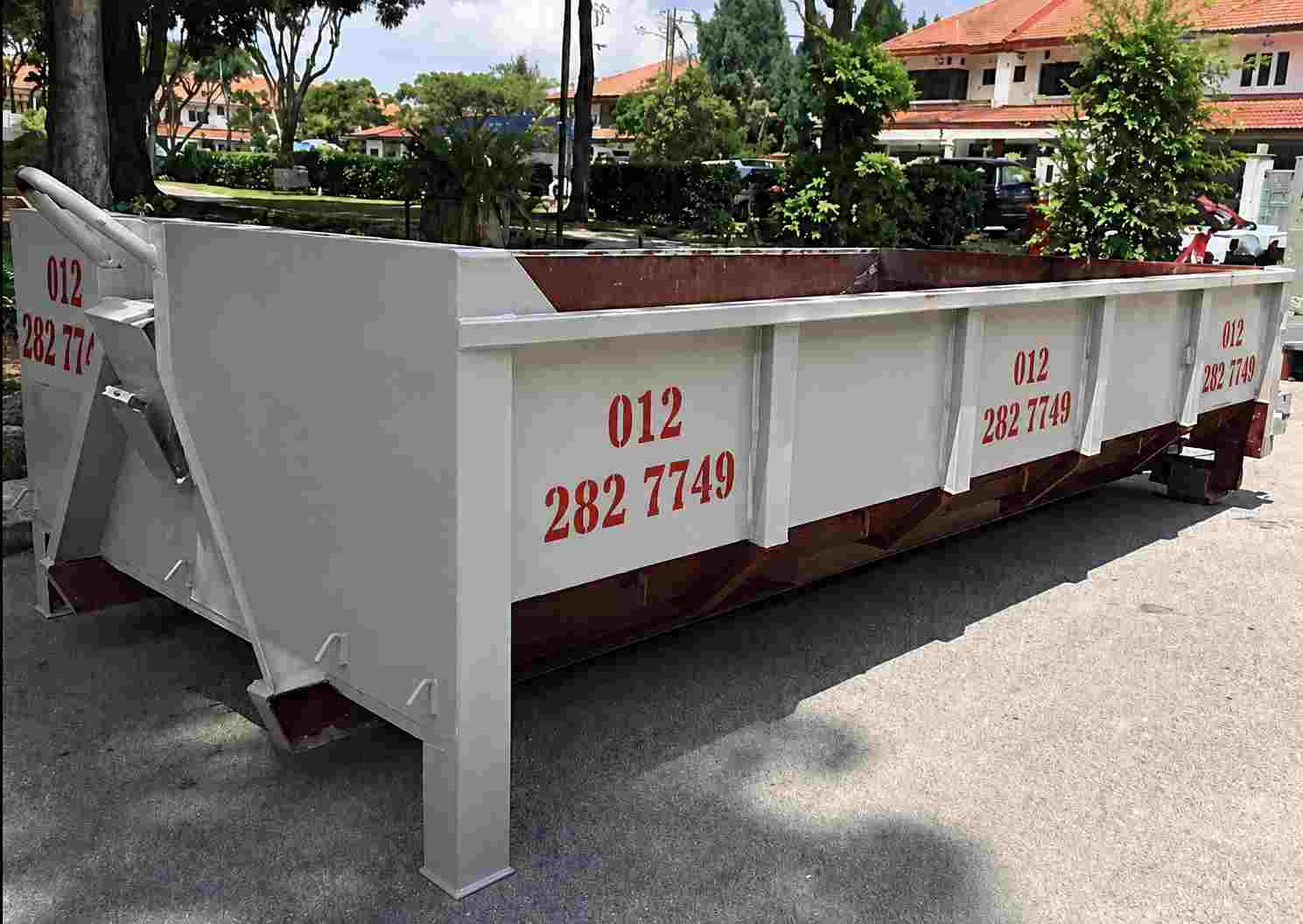
Small Roro Bin 2.5ft
Dimensions: 12′ (L) X 6′ (W) X 2.5′ (H)
Best Use: Heavy construction and demolition waste like concrete and soil.
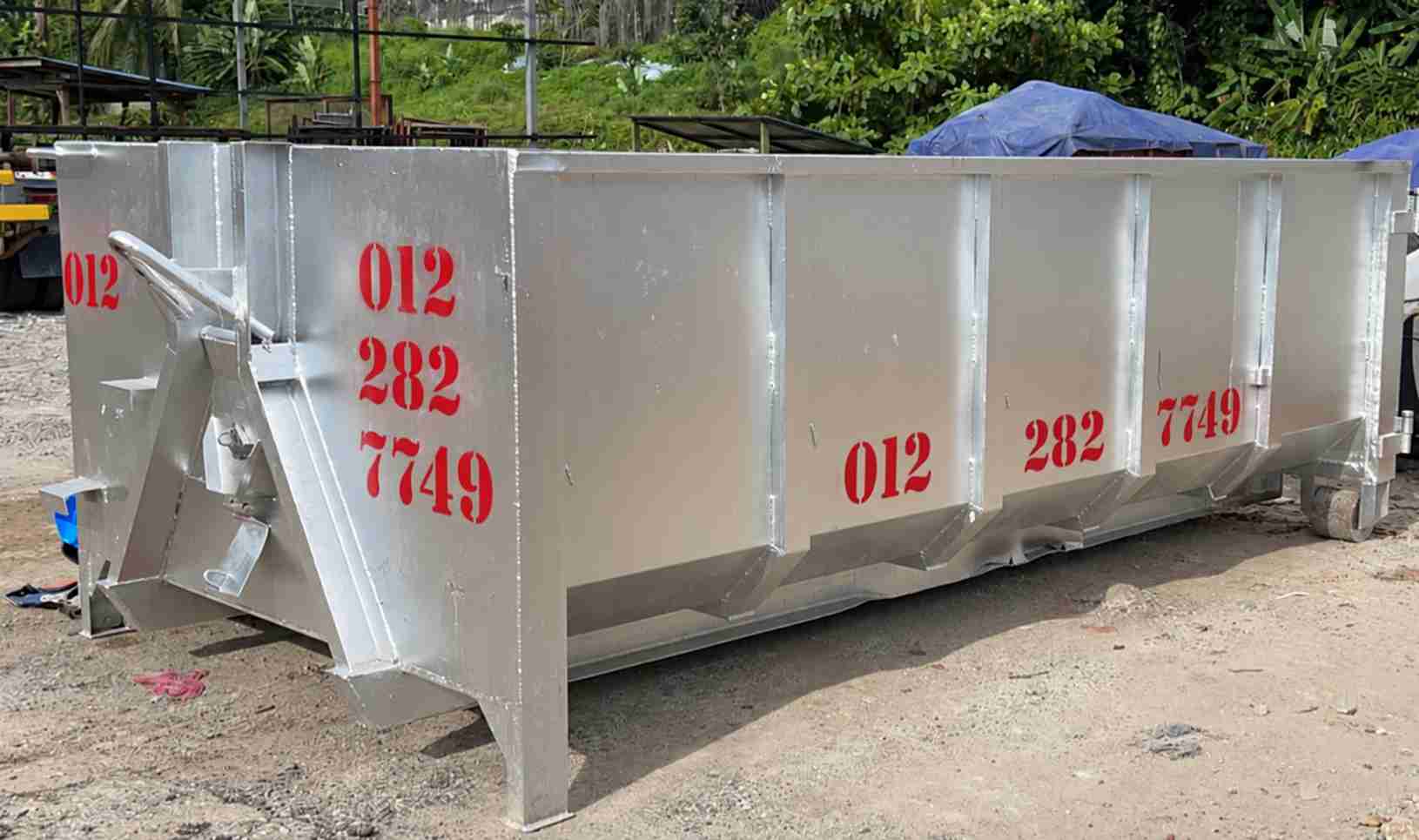
Medium Roro Bin 3ft
Dimensions: 12′ (L) X 6′ (W) X 3′ (H)
Best Use: Heavy construction and demolition waste like concrete and soil.
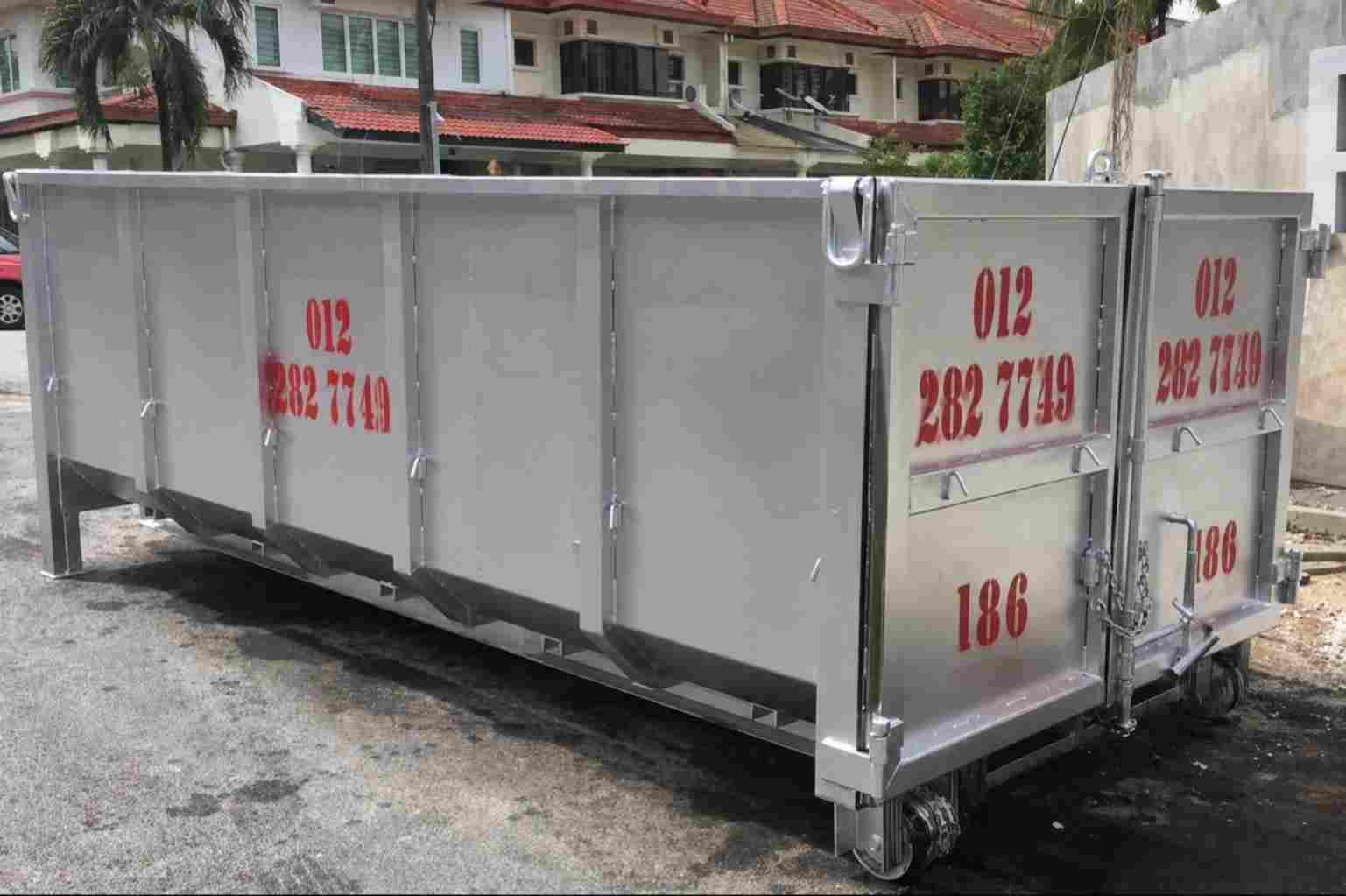
Large Roro Bin 4ft
Dimensions: 12′ (L) X 6′ (W) X 4′ (H)
Best Use: Light-weight construction, industrial, commercial waste, furniture, household bulky waste, trees and etc.
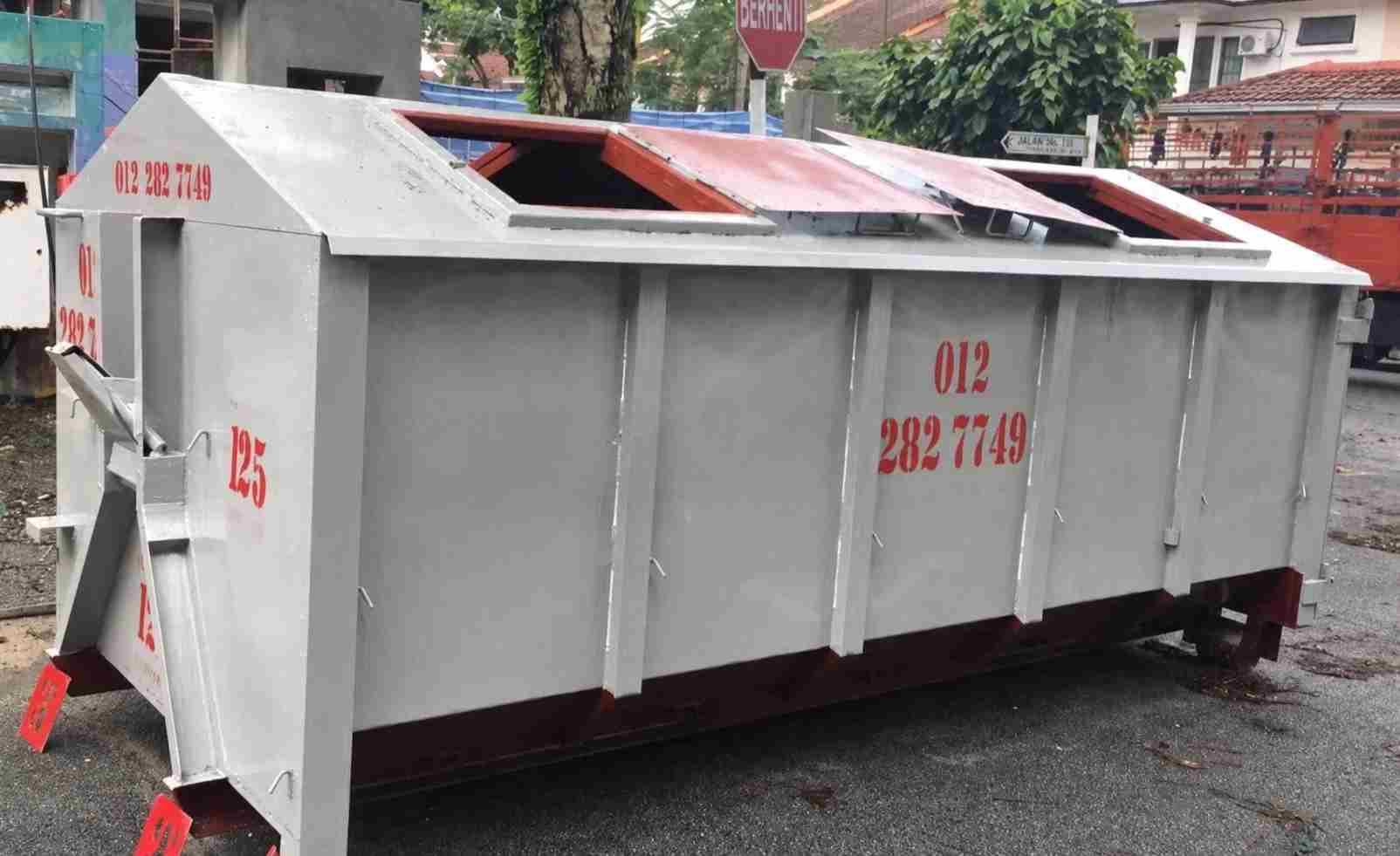
Domestic Roro Bin
Dimensions: 12′ (L) X 6′ (W) X 4′ (H) with roof
Best Use: Domestic food waste (Organic waste).
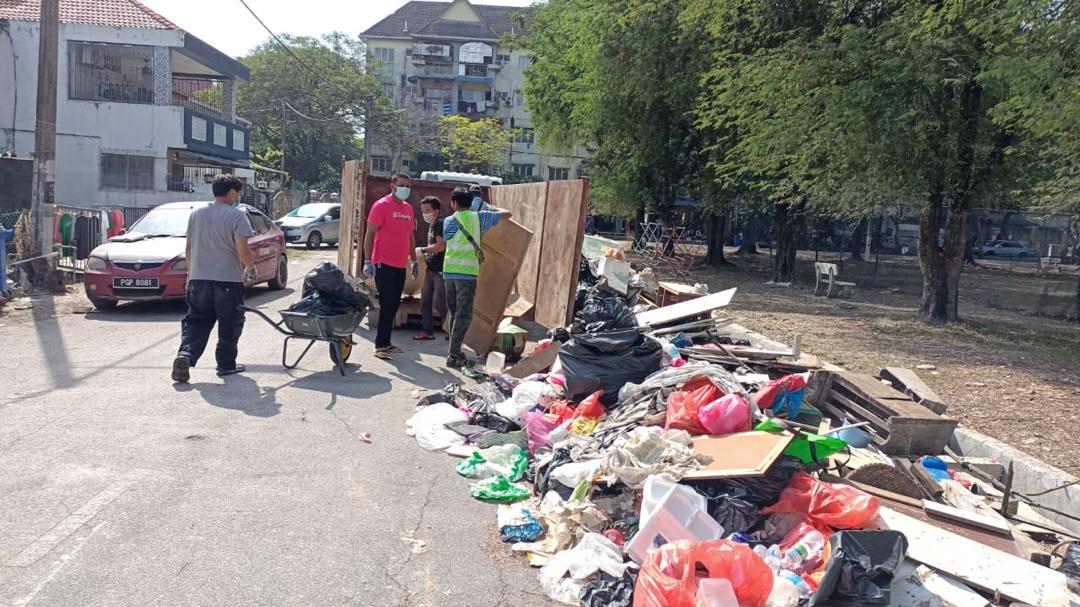

Extra Giant Roro Bin
Dimensions: 16′ (L) X 8′ (W) X 6′ (H)
Best Use: Light-weight construction, industrial, commercial waste, furniture, household bulky waste, trees and etc.
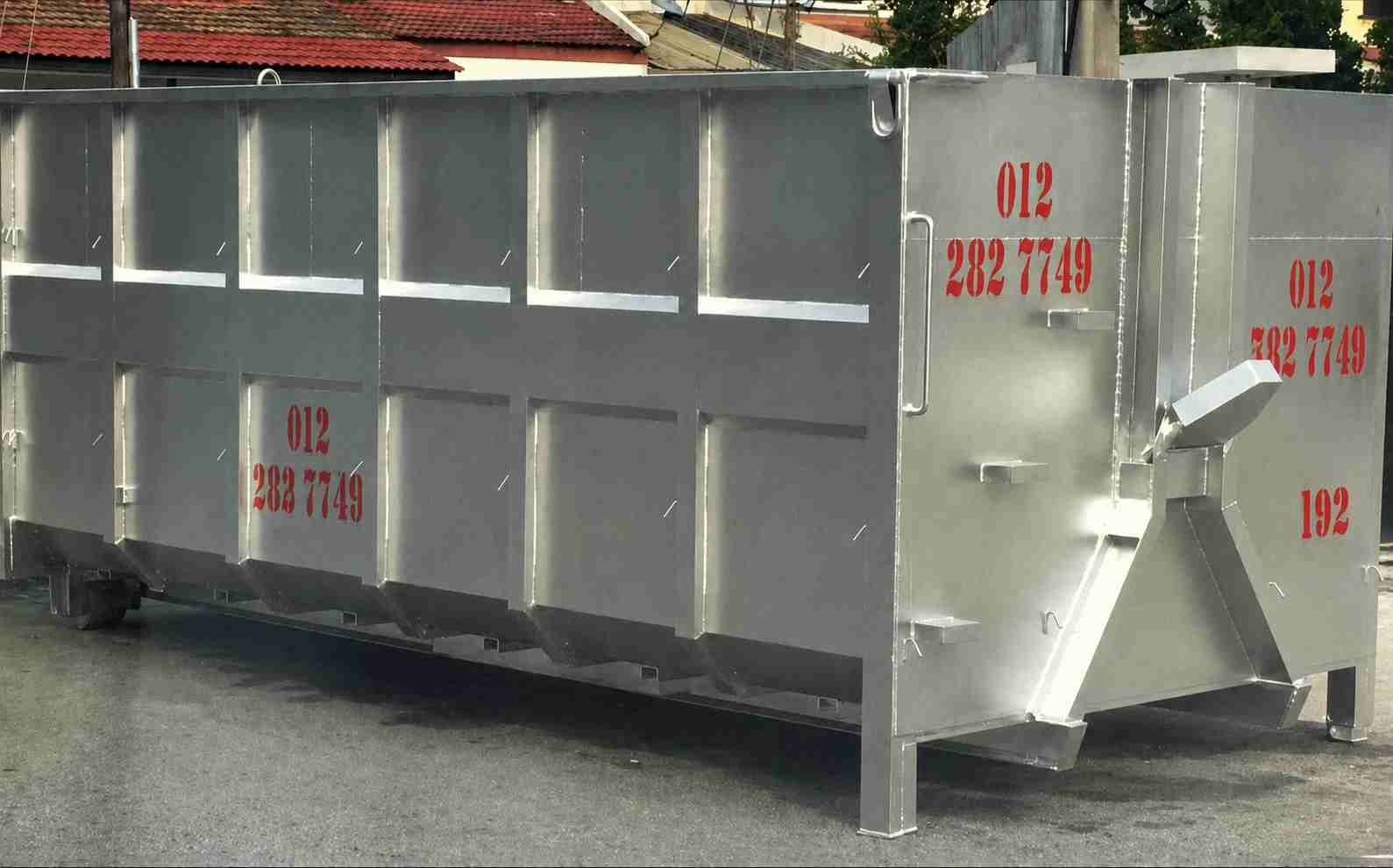
Giant Roro Bin
Dimensions: 14′ (L) X 7′ (W) X 5.5′ (H)
Best Use: Light-weight construction, industrial, commercial waste, furniture, household bulky waste, trees and etc.
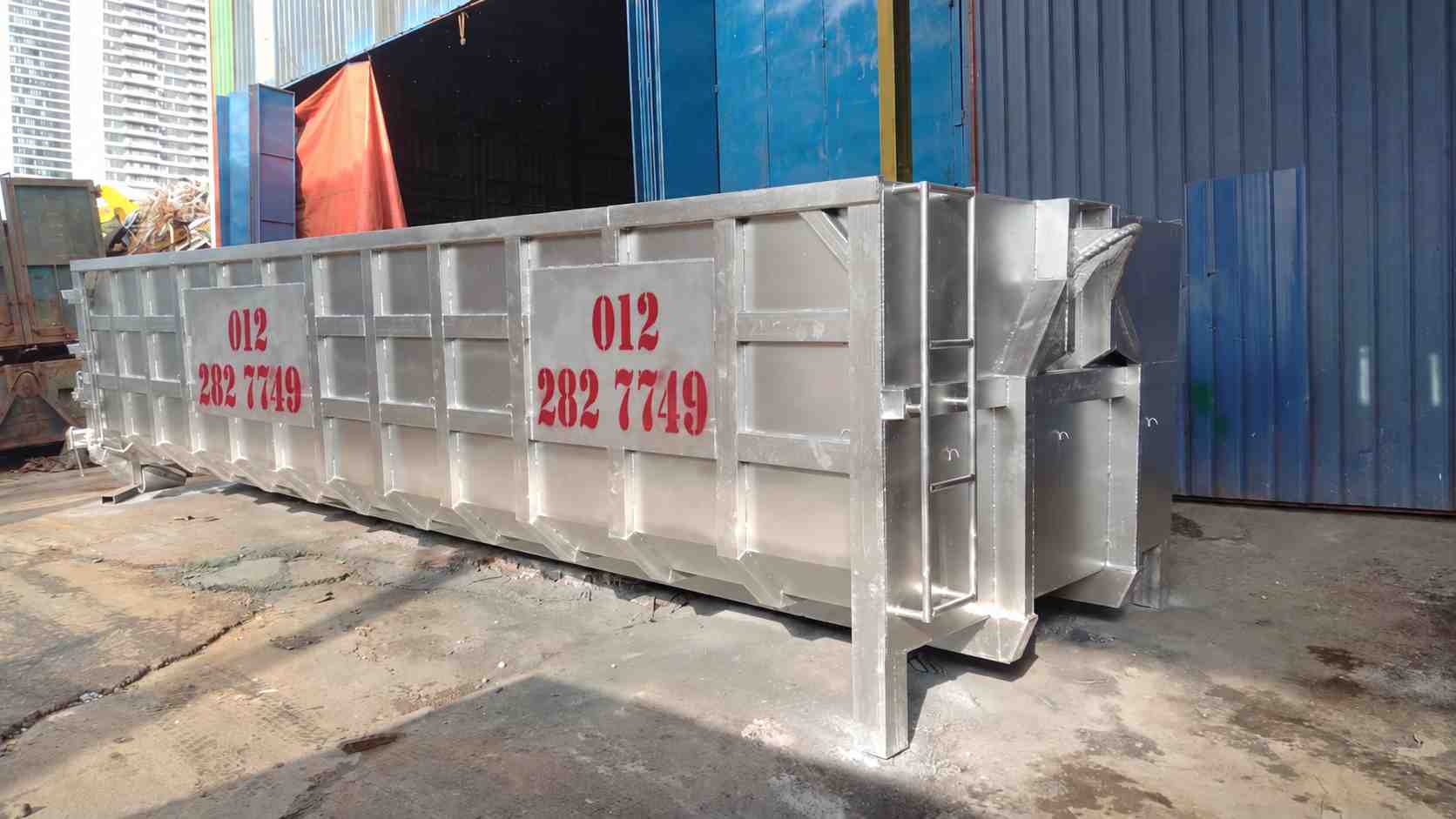
10 Tonne Roro Bin
Dimensions: 20′ (L) X 8′ (W) X 6′ (H)
Best Use: Light-weight construction, industrial, commercial waste, furniture, household bulky waste, trees and etc.
WHAT MAKES US DIFFERENT ?

Value Price

Express Service

Licensed Under Local Authorities

Quick Scheduling
TESTIMONIALS
-
Very efficient group. Called and came almost immediately. I've used them three times already. Very good service 👍🏽👍🏽
 Azura Lodin
July 6, 2024Good service from this company. Urgent request also can come. Other company will reject but this company will help you. Good drivers attitude. Will order again or perhaps can be my only roro bin supplier 😉
RD ONE ENGINEERING
June 6, 2024Servis Terbaik . Sangat puas hati, message pukul 10, pukul 12 boleh deliver hantar tong roro. Dan harga berpatutan.
Firdaus Samsudin
February 6, 2024responsive and prompt, recommended
nurul zain
September 6, 2023 -
Good servis 👍🏻
OMNI Fahmi
September 6, 2023Very fast response and very professional
Muhammad Zikri 'Ala
September 6, 2023Easy to contact, fast response & fast delivery
Zahran Daud
September 6, 2023Great service ⭐👍🏻
shahrin shahari
September 6, 2023 -
Very good and fast service i rate 5 stars
Amril Nurman Abdul Hamid
September 6, 20231. Their bins are clean. 2. Their trucks are well maintained. 3. They have a lot of bins. 4. Only problem is they're often late. 5. Overall good service and good attitude. 6. Will use them again. 7. Oh yeah, their trucks have nice number.
James Oh
September 6, 2022thank you for the giant bin. it's just nice to fit in our office waste. thank you for your good service and to your staff (uddy-driver) too . he is quite helpful..am gonna use your bin (roro) service next time for my house .
cindy fred
September 6, 2022I spent a few days calling different providers and this is one of the top ones (at least in 2021 so far!) Great value for the service provided. Can expect a bit of delay (it is Malaysia after all), but with the generous 10 days period it is still reasonable. I think better to call 2 days in advance to allow them to be on time. Driver was good and was able to move the bin into a tight spot
Calvin Tang
September 6, 2021 -
Absolutely reasonable price, great and timely, it definitely worth the recommendation. Surely will reorder in the future.
Jaeda TCY
September 6, 2021Found the contact online. Was looking for a rorobin to throw away old furniture. Very helpful in deciding which size to use. Used their service twice. Very satisfied.
Aman Almahdaly
September 6, 2021








OUR CLIENTS


PROJECT REFERENCE


RORO Bin Rental Melaka
Most Melaka jobs don’t get stuck on “booking.” They get stuck on geometry: tight turning radius on older residential streets where cars park close to corners, narrow road choke points that block lori alignment, sloped roadside shoulders that tilt placement, and drain covers/uneven ground that mess with bin stability and approach. Add in dead-end lanes where reversing distance increases, and internal loop lanes in gated compounds that feel wide—until a full-size lori tries to swing through. In Kota Laksamana and Melaka Raya, the practical drop-off window can shift again when entry requires security pre-registration and the loading bay is time-boxed. Steep condo ramps with tight corners near the guardhouse mean the lori needs a clean approach and extra turning space.
We operate as an access-problem solver for condo, back-lane, and tricky landed setups—so you don’t waste slots on reschedules. The decision lever in Melaka is landed-heavy layouts: parking, turning, and dead-ends decide whether you get a clean pickup or you get a re-slot. Tell us where you’re placing the RORO bin (tong roro), and whether you’re aiming for pickup or swap—because that choice affects routing and how strict the placement boundaries must be.
Fast inquiry info to send
- Area + property type (condo / landed / shoplot / site)
- Placement point (roadside / inside compound / back-lane)
- Any access constraints (ramp, dead-end, tight loop, time-boxed bay)
- Expected waste type (renovation debris, bulky waste, mixed)
- Preferred window (subject to lori slots)
Module 1: Access Photo/Video Tip
- Film a 15–20 second approach clip from the main entrance to the placement point (include the tightest corner).
- Capture the “turn-in” corner where parked cars create a choke point (common in older landed pockets).
- Show slope/tilt: pan the roadside shoulder so we can judge bin stability risk on uneven ground.
- Include the drain cover or uneven patch near where you want the bin—this affects both bin seating and lori approach.
- For condos, record the ramp angle and the tight corner near the guardhouse at low speed.
- Add one still photo facing outward from the placement point to show the lori’s exit path (dead-end risk).
- Mention the area name (e.g., Klebang or Banda Hilir) so we anticipate traffic patterns and practical windows.
- Do this: Send a clear daytime clip with slow turns / Avoid this: Night footage where corners and slope can’t be judged.
Local Notes for Melaka (Bandaraya Melaka & sekitar), Malaysia
Melaka access planning is less about distance and more about whether the lori can line up, set the tong roro flat, and leave without needing “perfect” traffic conditions. In landed-heavy areas, double-parked cars near corners shrink turning radius, and dead-end lanes amplify the reversing distance and time needed to position for pickup. Sloped roadside shoulders and uneven ground near drain covers can tilt the bin, especially if the “flat spot” is chosen for convenience rather than stability. In some gated communities and condos, internal loop lanes look workable until the lori reaches a tight bend—then the approach path matters more than the final placement point.
Uncommon constraints show up often: security pre-registration or vehicle details requested before entry, time-boxed loading bay windows where the lori cannot wait inside, and lift booking or staging rules that slow how fast debris reaches the bin. Market-day or event-day congestion can also shift the practical delivery window even if your preferred time looks open on paper. Rain scatter risk is real for light debris if the bin sits near runoff paths or an open shoulder—containment matters when weather turns.
Micro-scenarios we see: Shoplot back-lanes around Melaka Raya get blocked by delivery vans at midday, so drop-off/pickup works better outside the delivery wave. Dead-end landed lanes near Bukit Baru with cars double-parked make pickup windows more sensitive because reversing and alignment take longer.
How to avoid delays: share the approach clip + confirm whether the lane is a dead-end, and we’ll plan placement boundaries around the lori’s turning and exit path.
We are an access-problem solver (condo/basement/back-lane) and we treat the landed-heavy decision lever seriously—parking, turning space, and dead-ends decide whether your slot holds. We commonly cover areas like Ayer Keroh, Batu Berendam, and Cheng, but the real determinant is access readiness, not postcode.
Booking Process (How It Works)
- You send: location area, property type, placement point, and basic waste scope.
- We sanity-check placement physics first (turning space, slope, ramp, dead-end exit).
- We confirm whether pickup or swap fits your debris pace and access constraints.
- You receive a clear scope summary and scheduling options (subject to lori slots).
- Drop-off happens within the agreed window; pickup/swap follows the planned access path.
Two operator decisions that prevent re-slots
- Placement boundaries: where the bin must sit so the lori can align for pickup later (not just drop-off).
- Pickup vs swap impacts: swaps need cleaner alignment and timing; pickups tolerate more variability if access remains clear.
Module 2: Placement Do/Don’t
- Place the bin where the lori can approach straight enough to set it down without clipping parked cars at corners.
- Keep a clear “alignment corridor” for pickup day—landed-heavy streets change fast when neighbors park differently.
- Choose stability over convenience: avoid sloped shoulders and uneven ground near drain covers when possible.
- If it’s a dead-end lane, plan for reversing distance and ensure the exit path stays open during the window.
- For condos, confirm ramp angle and turning room near the guardhouse before committing to inside-compound placement.
- In time-boxed loading bay setups, stage debris so the lori doesn’t burn the whole window waiting for lifts.
- Mention the area (e.g., Ujong Pasir) because traffic waves can affect realistic timing.
- Do this: Pick a flat, accessible spot with a predictable exit / Avoid this: Place “closest to work” where slope/turning forces a reschedule.
What Is a RORO Bin (Tong Roro)?
A RORO bin (tong roro) is a large open-top waste container delivered by lori for renovation waste, construction debris, and bulky waste. It’s designed for controlled loading over a rental period, then removed via pickup—or exchanged via swap when debris output is high. In Melaka, the right choice depends on placement physics (turning, slope, ramp) and whether your site behaves like a landed-heavy street (parking variability) or a managed condo/shoplot environment (rules and windows).
What’s Included / Not Included
Included (delivery movements)
- Drop-off and retrieval movement planning based on access constraints
- Placement confirmation guidance to reduce tilt, blocking, and pickup failure risk
- Pickup or swap coordination depending on debris pace and access readiness
- Basic scheduling communication (subject to lori slots and routing)
- Guidance on keeping an alignment corridor for pickup day
Not included (site labor + cleanup)
- Manual loading labor, hacking/clearing, or site housekeeping
- Sweeping, spill cleanup, or scattering control materials (unless you arrange)
- Removing obstacles/vehicles that block the approach path
- Securing condo approvals or management permissions on your behalf
How to Verify the Service Was Done Right (Quick Checklist)
- Bin is placed on a stable point (no rocking/tilt from slope or drain cover edges).
- Approach path stays workable for pickup day (turn-in corner and exit path remain clear).
- You can load without blocking neighbors or creating a safety choke point.
- If condo/shoplot: loading bay window and entry rules match the planned timing.
- Pickup vs swap decision matches debris pace (swap if output spikes, pickup if steady).
- Waste type is aligned to agreed scope (avoid surprise restricted materials).
Typical Timeline & What Affects It
Melaka scheduling is mostly a “slot + access readiness” problem: the lori route is one thing, but whether the placement point stays workable is the real variable.
- Drop-off window: depends on routing and whether access constraints require slower maneuvering.
- Rental duration: depends on your debris pace and whether you’re doing hacking in bursts.
- Pickup timing: sensitive to landed-heavy parking shifts, dead-end reversing needs, and time-boxed bay rules.
- Swap timing: needs tighter alignment and clearer staging so the exchange doesn’t stall the slot.
Cost Drivers (No Exact Prices)
Costs typically move with bin size, rental duration, haul/disposal requirements, and how complex the placement/pickup geometry is. In Melaka, two common cost drivers are:
- Dead-end lane reversing + alignment time (especially in landed-heavy pockets where cars are parked tight).
- Condo ramp/guardhouse constraints + time-boxed loading bays that slow maneuvering and reduce slot efficiency.
What changes the plan: when the “flat spot” is not stable (slope/drain cover) or the approach corridor gets blocked, the job can require re-slotting or a different placement strategy.
What a Fair Quote Should Include
- Bin size recommendation tied to your waste type and volume expectation
- Rental period definition (and how extensions are handled)
- Delivery + pickup (or swap) movement scope clearly stated
- Disposal/haul scope clarity (no vague “everything included” wording)
- Access constraints accounted for (turning, slope, dead-end, ramp, bay windows)
- Pickup vs swap plan aligned to debris pace (especially during hacking spikes)
- Risk-control notes (overfill, spill, restricted waste boundaries)
- Any conditional notes that trigger reschedule risk (blocked lane, approvals not ready)
- A simple checklist of what you must keep clear (alignment corridor)
- Schedule language that reflects reality (“subject to lori slots” when applicable)
Common Local Scenarios (Condo / Landed / Renovation Site / Shoplot)
Condo
- Guardhouse entry requires pre-registration; align drop-off with approved access timing (Banda Hilir, Melaka Raya).
- What changes the plan: steep ramp angle + tight corner near guardhouse reduces turning margin and forces a different approach path.
- Risk control: prevent light debris scatter near runoff paths—contain bagged waste if rain hits.
Landed
- Older streets with corner parking shrink turning radius; plan a placement point that preserves the lori’s exit path (Bukit Baru, Klebang).
- What changes the plan: dead-end lanes with double-parked cars turn pickup into a narrow-window maneuver.
- Risk control: avoid overfill that spills into the roadway—keep loading below the rim to protect neighbors and traffic flow.
Renovation Site
- Hacking output can spike fast; swap planning often beats waiting for a full bin pickup (Ayer Keroh, Batu Berendam).
- What changes the plan: debris pace outruns the bin capacity, forcing earlier swap coordination and cleaner alignment.
- Risk control: keep sharp/bulky items controlled so they don’t protrude and create handling hazards.
Shoplot
Risk control: keep the lane passable—avoid placing where emergency or service vehicles need through access.
Back-lanes get blocked by delivery vans around midday; plan outside the delivery wave (Cheng, Kota Laksamana).
What changes the plan: access windows shrink due to loading/unloading congestion, so timing must match the lane’s real rhythm.
RORO BIN RENTAL MELAKA FAQS
We check turning radius at the tightest corner and whether the lori can align straight enough to place and later pick up the bin. In landed-heavy streets, corner geometry beats “road width” every time. Send an inquiry with a short approach clip.
Yes, but timing must match the lane’s real rhythm so the lori doesn’t lose its slot waiting for access to clear. We’ll recommend a workable window and placement point that doesn’t choke the lane. Send an inquiry with your preferred time range.
Entry requirements (pre-registration/vehicle details), ramp constraints, and any time-boxed loading bay window matter most. Those decide whether inside placement is realistic or whether a safer roadside option should be used. Send an inquiry with the rules and a ramp clip.
The failure point is the approach angle: the lori can’t “square up” to place the bin cleanly, or can’t re-align for pickup later. We evaluate the tightest bend and the exit path before confirming placement boundaries. Send an inquiry with the ramp + corner video.
Only if there’s a stable flat spot and the bin won’t tilt from uneven shoulder or drain cover edges. Slope that looks minor can become a pickup problem when the lori needs a clean approach line. Send an inquiry with ground photos.
We prioritize stability and pickup alignment over “closest to the work zone,” especially on sloped roadside points. A small shift to a flatter spot often prevents re-slots later. Send an inquiry with a photo of the intended spot.
It increases reversing distance and makes the pickup window more sensitive to parking changes. In landed-heavy pockets, we set tighter placement boundaries and advise what must stay clear during the window. Send an inquiry with the lane layout.
Keep the “alignment corridor” clear: the turn-in corner, the approach line, and the exit path—because neighbors’ parking shifts fast. We’ll tell you the practical corridor based on your approach geometry. Send an inquiry with an approach clip.
If hacking output spikes, swap planning usually keeps the site moving, but swaps need cleaner alignment and timing. If access is tight or landed-heavy parking is unpredictable, we’ll tailor the plan to reduce swap failure risk. Send an inquiry with your debris pace estimate.
Waiting is limited because the lori route and any time-boxed bay rules can collapse the slot. Stage debris before the window so loading doesn’t depend on last-minute lift or manpower changes. Send an inquiry with your expected loading setup.
We verify the tightest loop bend and whether the lori can complete the turn without needing multiple corrections. Internal loop lanes can feel wide until a full-size lori must swing through. Send an inquiry with a short internal-lane clip.
We aim for a practical window that fits routing and avoids “high friction” periods where access becomes unpredictable. Timing is planned around real access conditions, not just your preferred slot. Send an inquiry with your preferred day/time range.
Renovation debris and bulky waste are commonly suitable, but anything unusual should be declared upfront to avoid disposal surprises at pickup. Clear scope protects your schedule and prevents last-minute changes. Send an inquiry listing your waste types.
Access changes: cars re-parked at corners, blocked approach lines, or dead-end constraints not disclosed early. We reduce this by locking placement boundaries that survive real-world parking behavior. Send an inquiry with your access notes.
Yes—when entry rules, vehicle details, and time windows are known upfront, we plan around them and protect the lori slot. That’s exactly what our access-problem solver workflow is built for. Send an inquiry with the requirements.