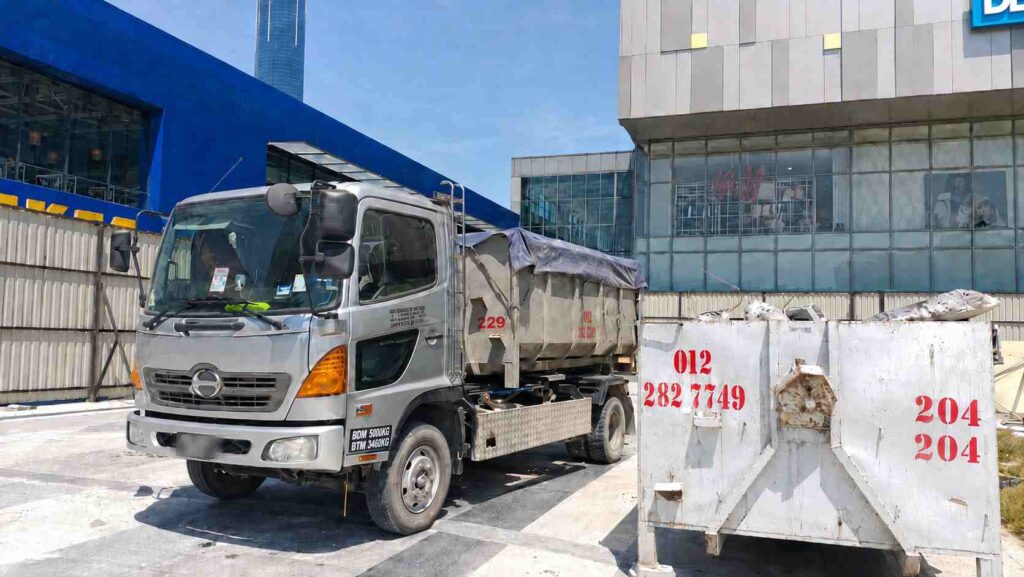

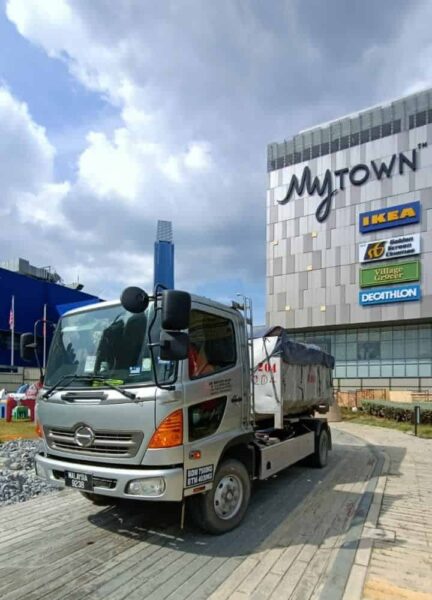
RORO BIN RENTAL SIMPANG AMPAT
Find The Right Size For Your Project
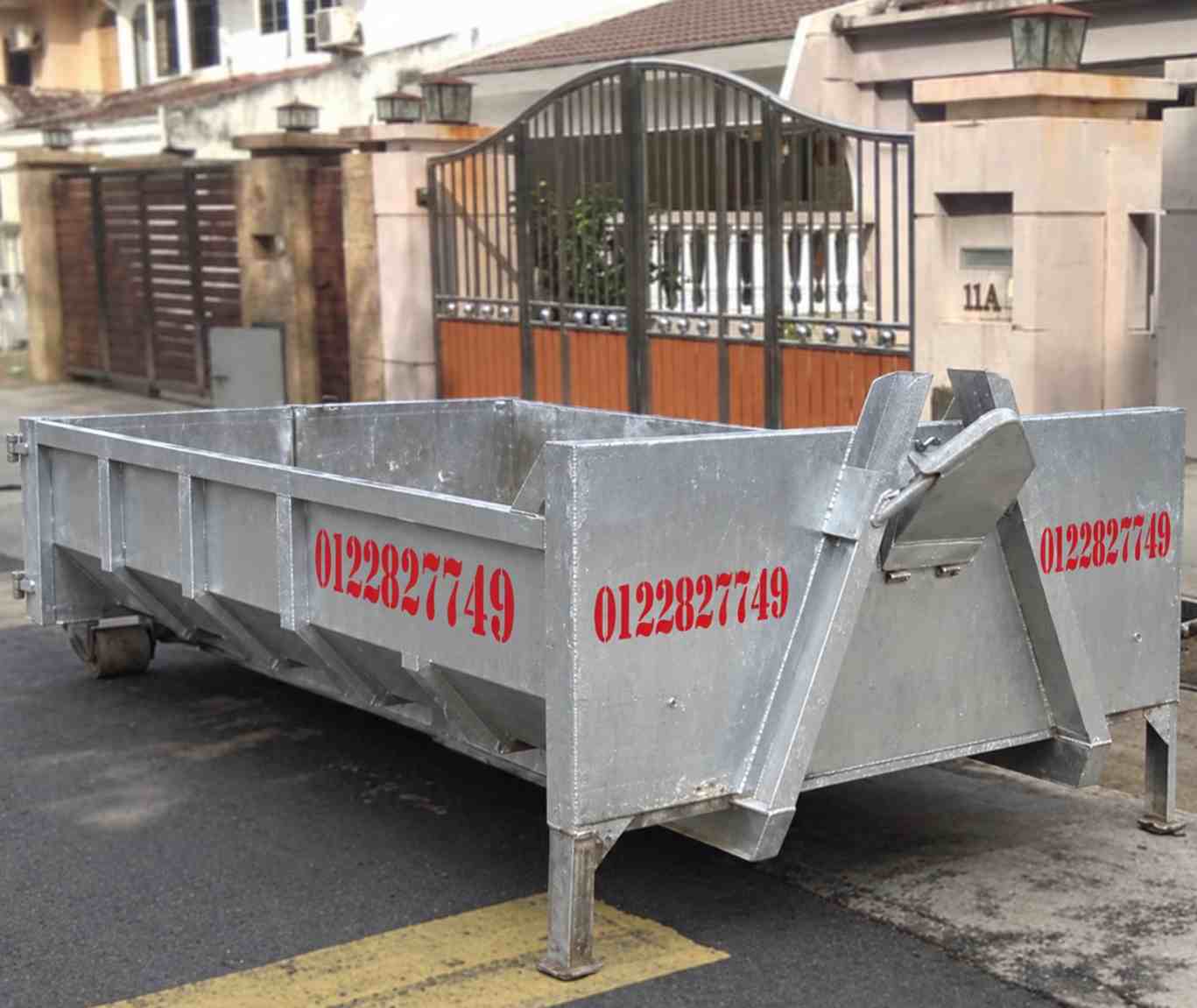
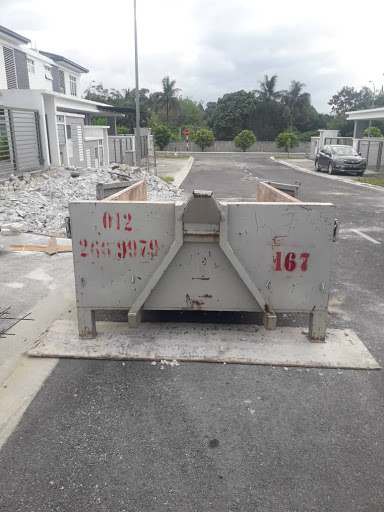
Small Roro Bin 2ft
Dimensions: 11′ (L) X 6′ (W) X 2′ (H)
Best Use: Heavy construction and demolition waste like concrete and soil.
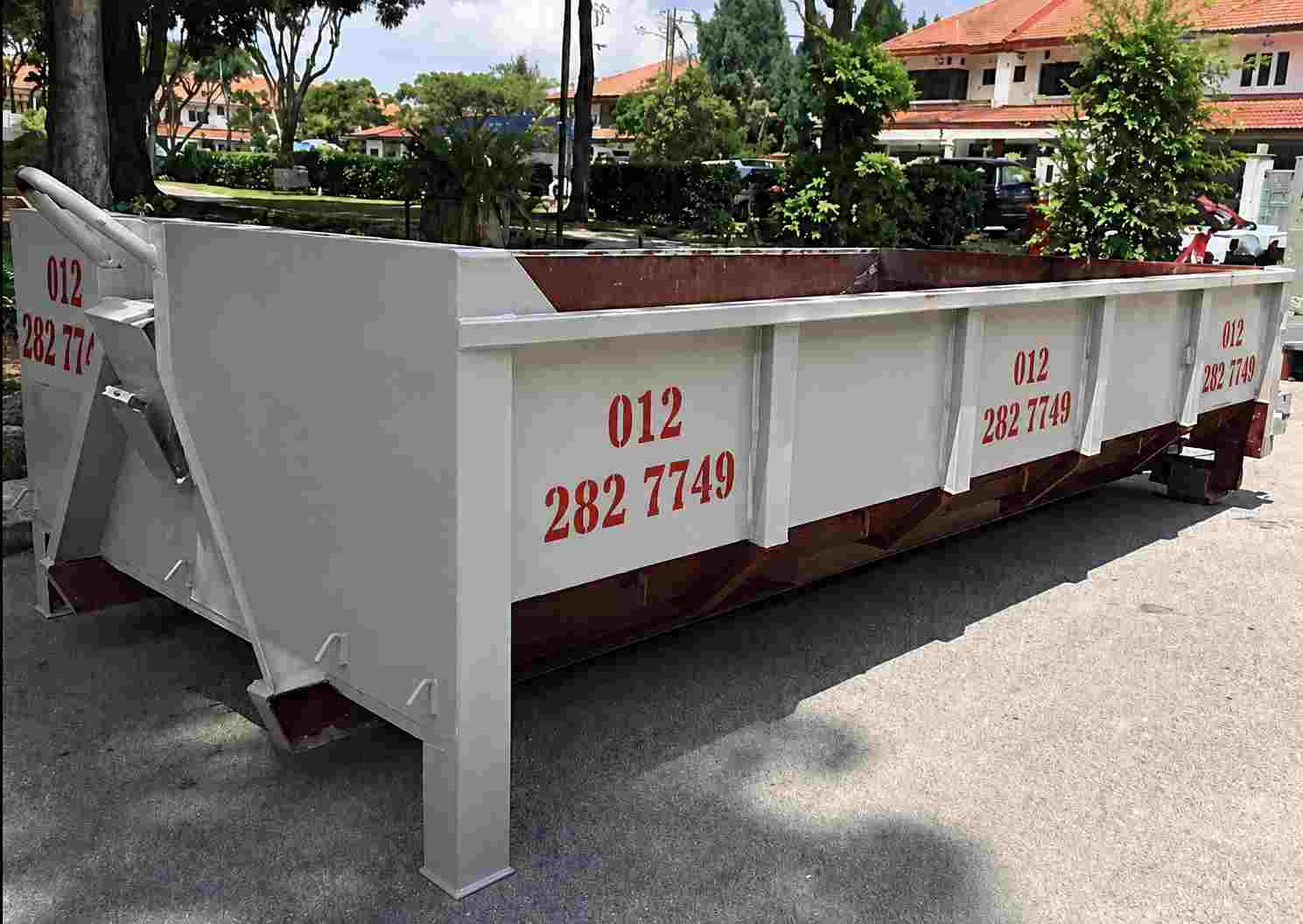
Small Roro Bin 2.5ft
Dimensions: 12′ (L) X 6′ (W) X 2.5′ (H)
Best Use: Heavy construction and demolition waste like concrete and soil.
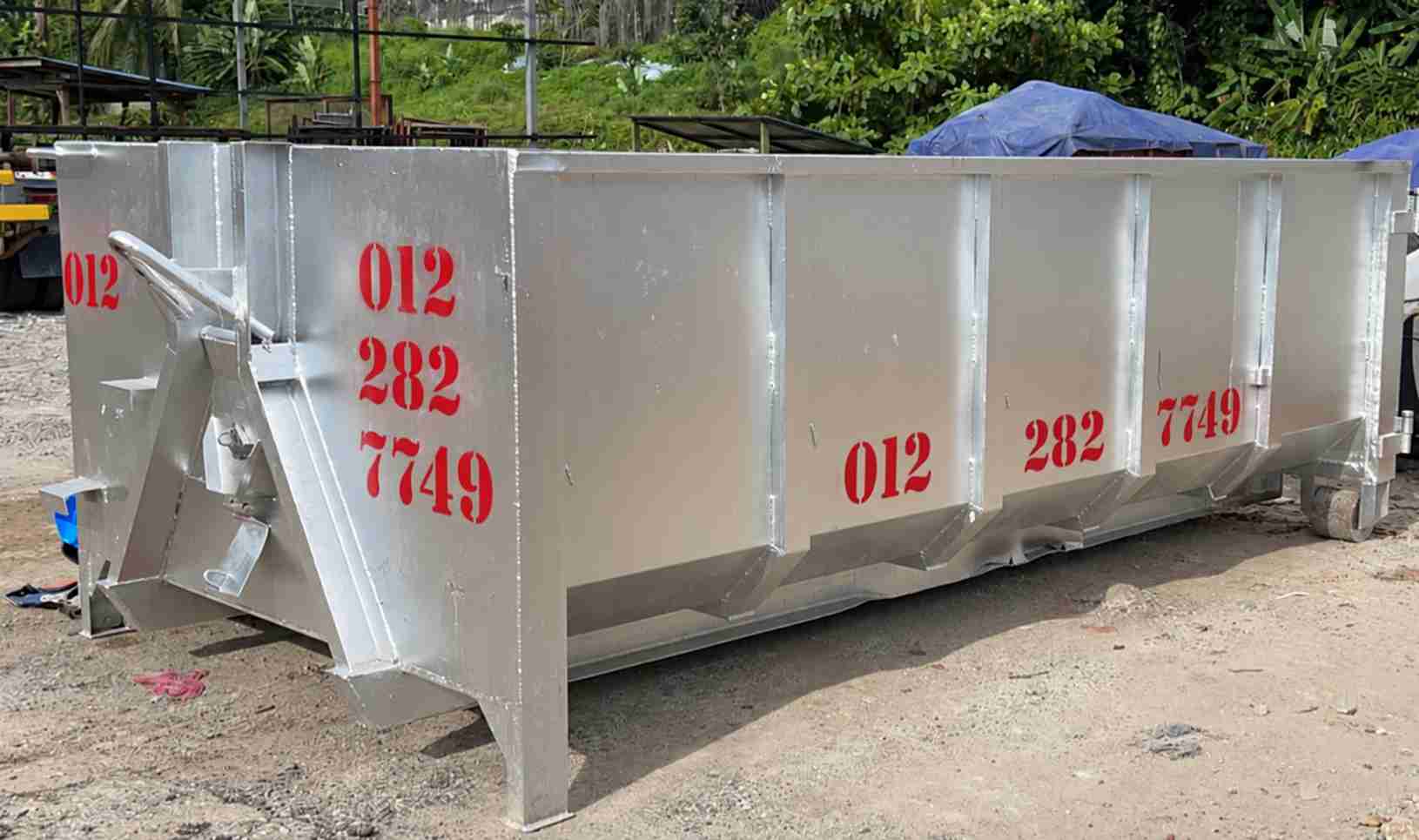
Medium Roro Bin 3ft
Dimensions: 12′ (L) X 6′ (W) X 3′ (H)
Best Use: Heavy construction and demolition waste like concrete and soil.
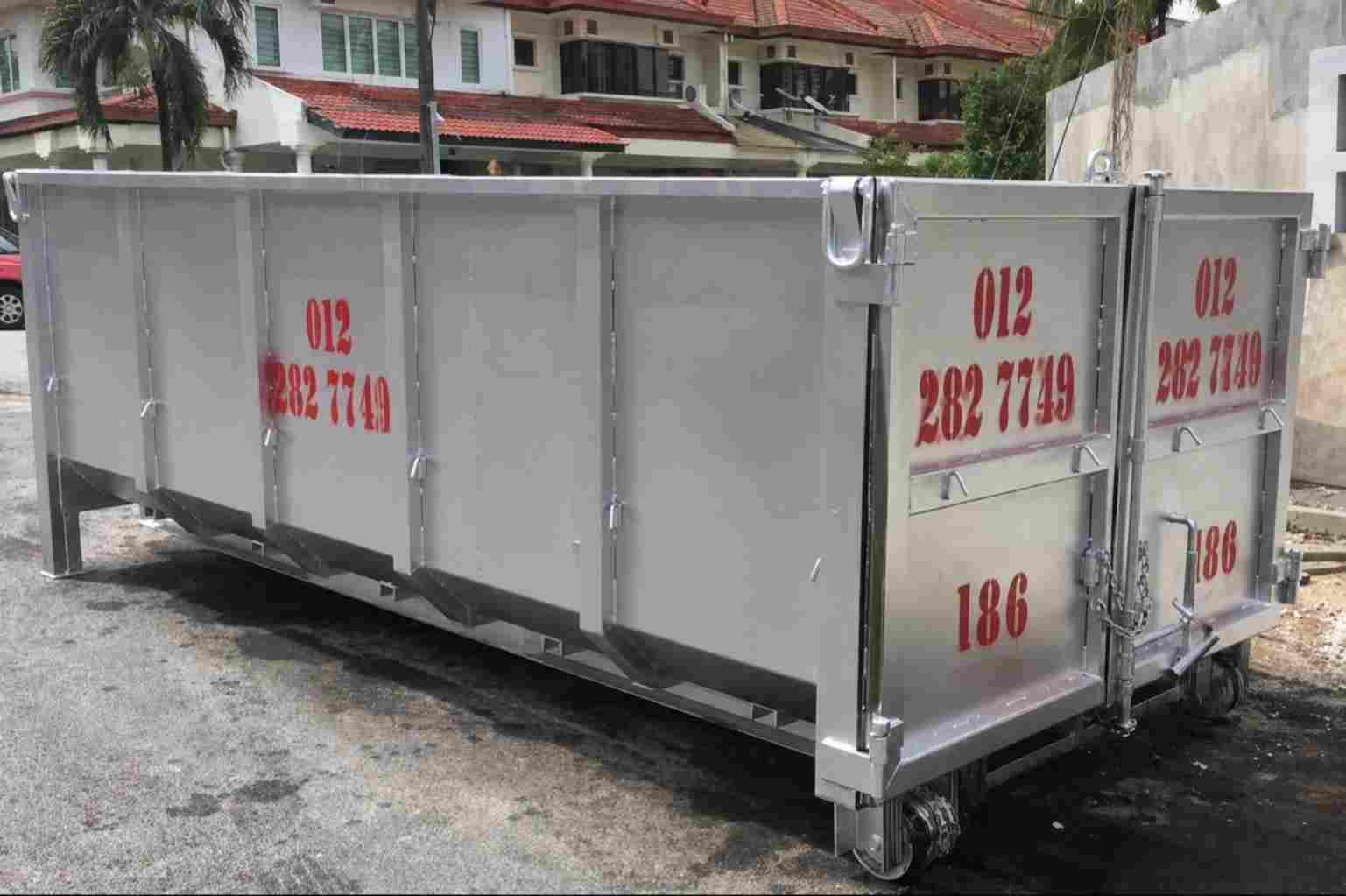
Large Roro Bin 4ft
Dimensions: 12′ (L) X 6′ (W) X 4′ (H)
Best Use: Light-weight construction, industrial, commercial waste, furniture, household bulky waste, trees and etc.
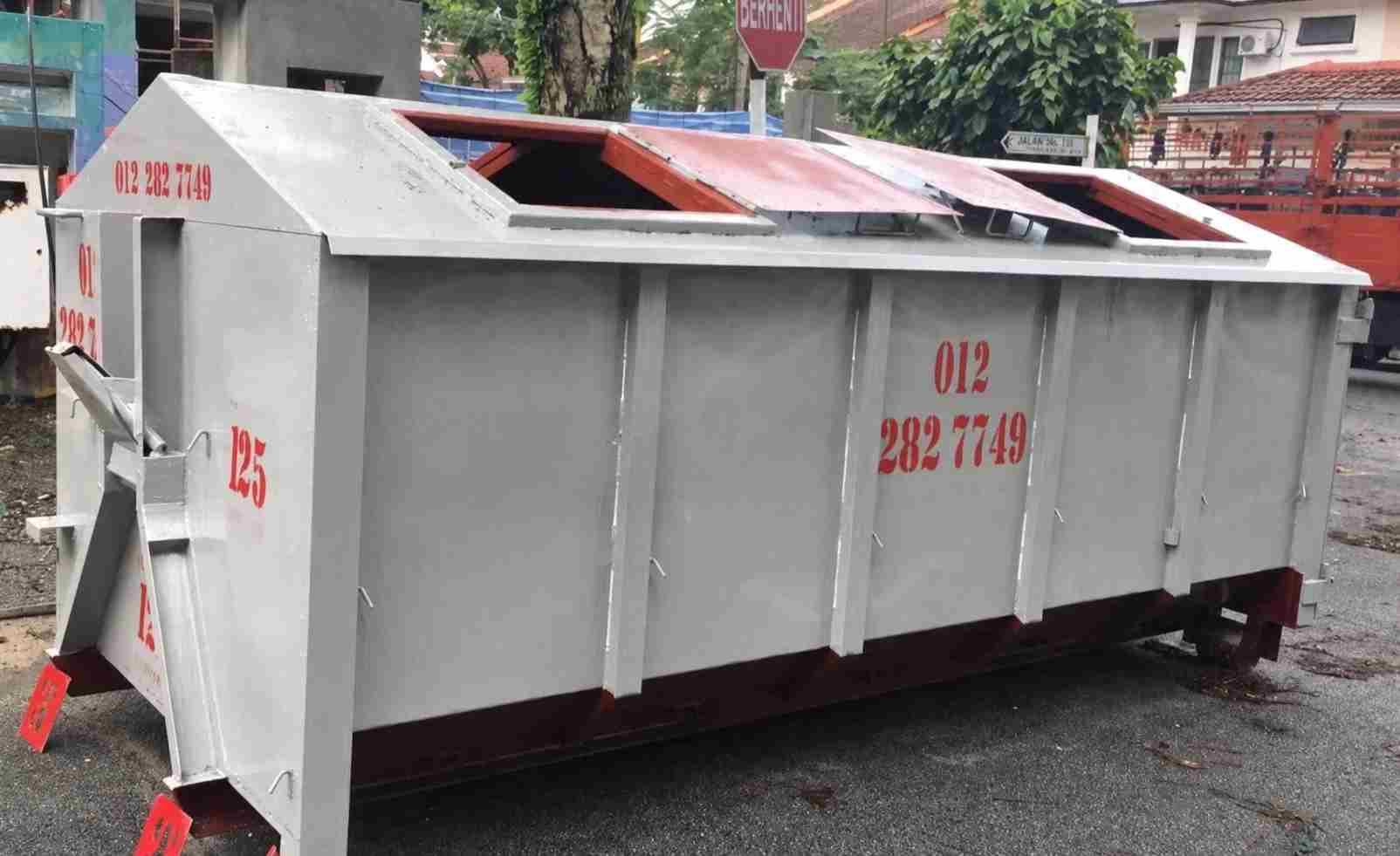
Domestic Roro Bin
Dimensions: 12′ (L) X 6′ (W) X 4′ (H) with roof
Best Use: Domestic food waste (Organic waste).
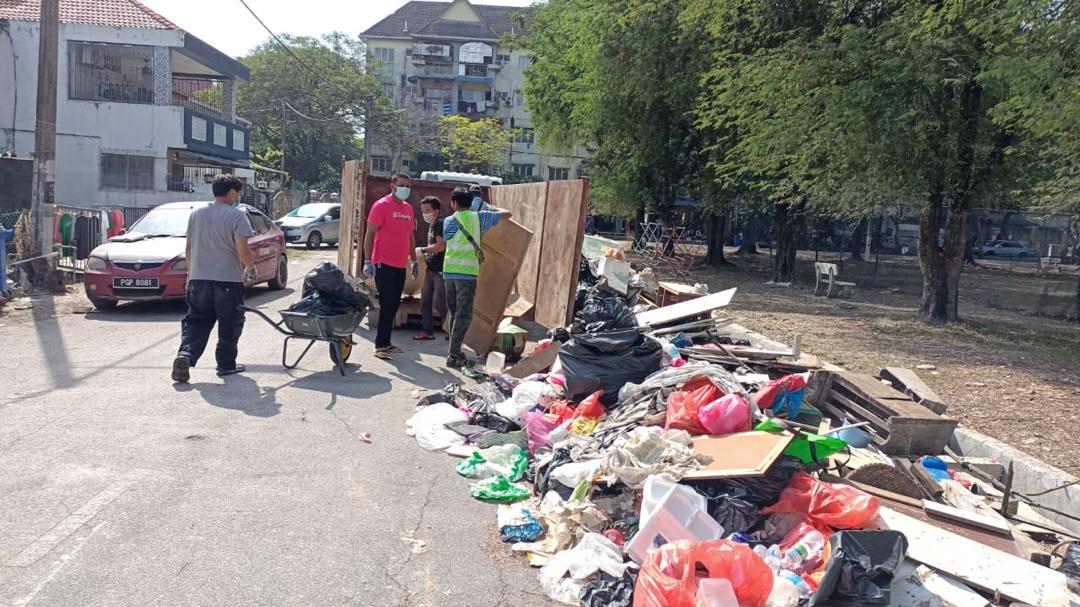

Extra Giant Roro Bin
Dimensions: 16′ (L) X 8′ (W) X 6′ (H)
Best Use: Light-weight construction, industrial, commercial waste, furniture, household bulky waste, trees and etc.
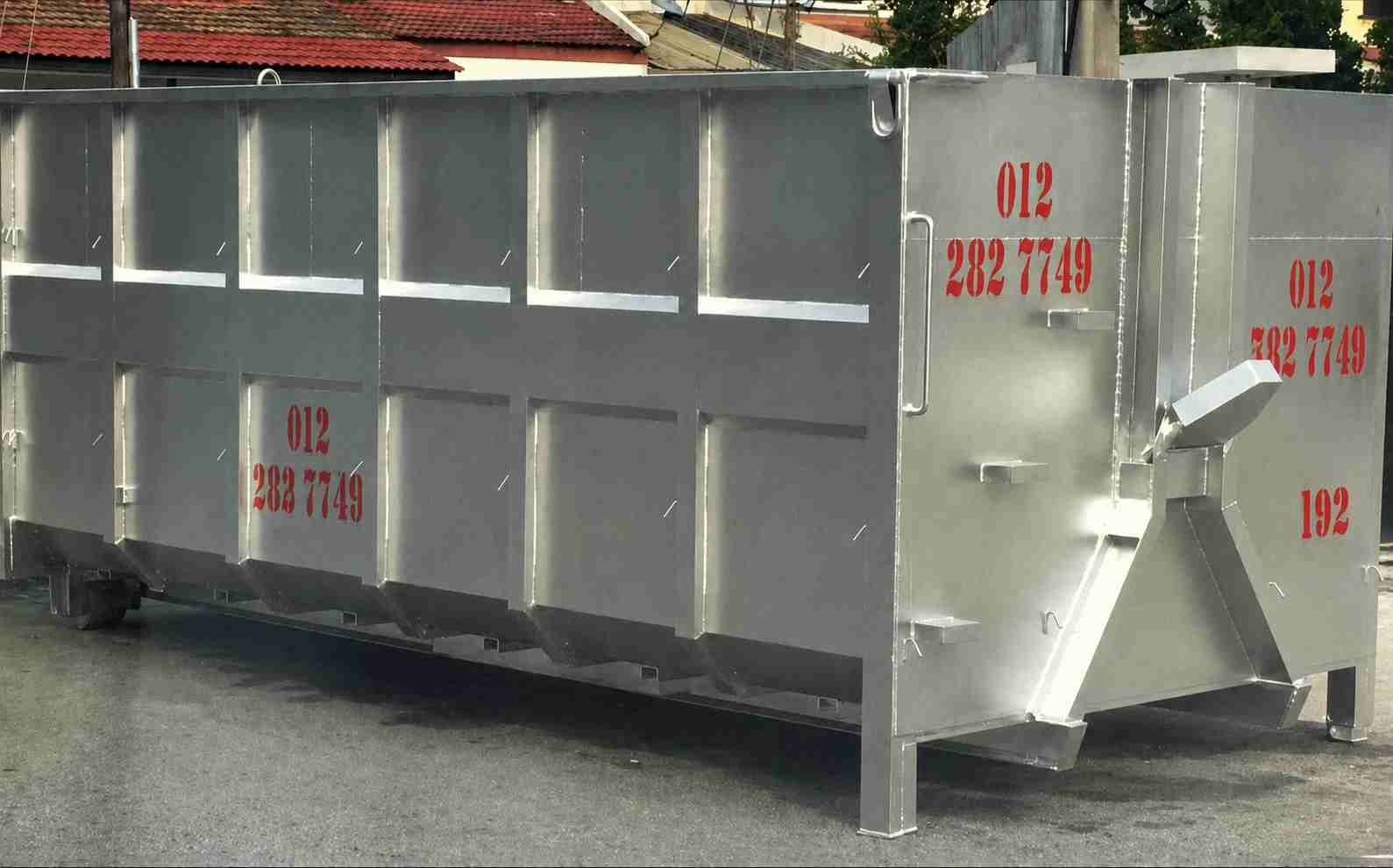
Giant Roro Bin
Dimensions: 14′ (L) X 7′ (W) X 5.5′ (H)
Best Use: Light-weight construction, industrial, commercial waste, furniture, household bulky waste, trees and etc.
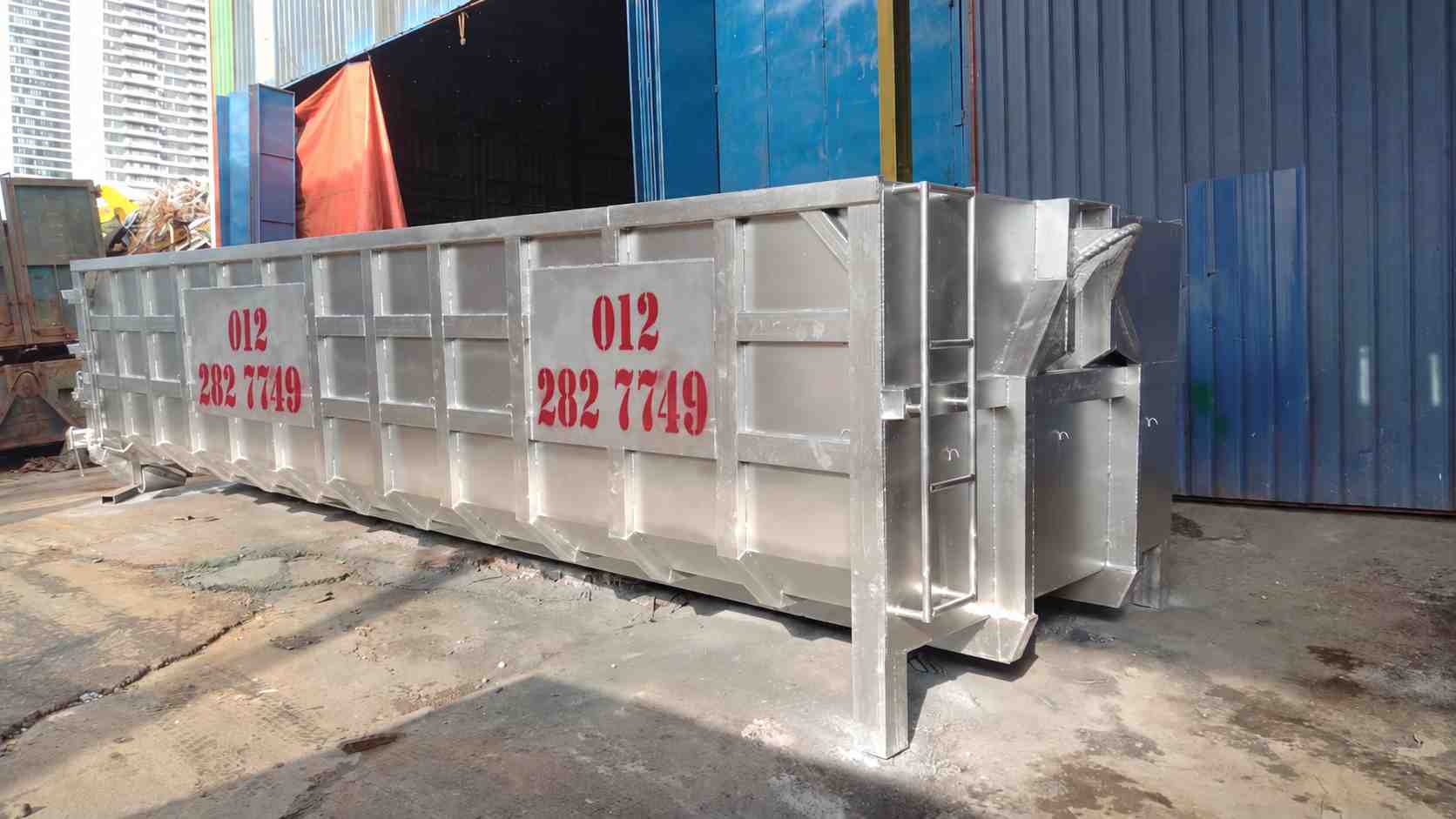
10 Tonne Roro Bin
Dimensions: 20′ (L) X 8′ (W) X 6′ (H)
Best Use: Light-weight construction, industrial, commercial waste, furniture, household bulky waste, trees and etc.
WHAT MAKES US DIFFERENT ?

Value Price

Express Service

Licensed Under Local Authorities

Quick Scheduling
TESTIMONIALS
-
Very efficient group. Called and came almost immediately. I've used them three times already. Very good service 👍🏽👍🏽
 Azura Lodin
July 6, 2024Good service from this company. Urgent request also can come. Other company will reject but this company will help you. Good drivers attitude. Will order again or perhaps can be my only roro bin supplier 😉
RD ONE ENGINEERING
June 6, 2024Servis Terbaik . Sangat puas hati, message pukul 10, pukul 12 boleh deliver hantar tong roro. Dan harga berpatutan.
Firdaus Samsudin
February 6, 2024responsive and prompt, recommended
nurul zain
September 6, 2023 -
Good servis 👍🏻
OMNI Fahmi
September 6, 2023Very fast response and very professional
Muhammad Zikri 'Ala
September 6, 2023Easy to contact, fast response & fast delivery
Zahran Daud
September 6, 2023Great service ⭐👍🏻
shahrin shahari
September 6, 2023 -
Very good and fast service i rate 5 stars
Amril Nurman Abdul Hamid
September 6, 20231. Their bins are clean. 2. Their trucks are well maintained. 3. They have a lot of bins. 4. Only problem is they're often late. 5. Overall good service and good attitude. 6. Will use them again. 7. Oh yeah, their trucks have nice number.
James Oh
September 6, 2022thank you for the giant bin. it's just nice to fit in our office waste. thank you for your good service and to your staff (uddy-driver) too . he is quite helpful..am gonna use your bin (roro) service next time for my house .
cindy fred
September 6, 2022I spent a few days calling different providers and this is one of the top ones (at least in 2021 so far!) Great value for the service provided. Can expect a bit of delay (it is Malaysia after all), but with the generous 10 days period it is still reasonable. I think better to call 2 days in advance to allow them to be on time. Driver was good and was able to move the bin into a tight spot
Calvin Tang
September 6, 2021 -
Absolutely reasonable price, great and timely, it definitely worth the recommendation. Surely will reorder in the future.
Jaeda TCY
September 6, 2021Found the contact online. Was looking for a rorobin to throw away old furniture. Very helpful in deciding which size to use. Used their service twice. Very satisfied.
Aman Almahdaly
September 6, 2021








OUR CLIENTS


PROJECT REFERENCE


RORO Bin Rental Simpang Ampat
Need roro bin rental Simpang Ampat for renovation debris, factory cleanout, bulky waste, or ongoing site disposal? The job usually moves smoothly when the access side is checked early, especially for guardhouse entry, loading bay timing, narrow road approach, or a back-lane drop-off behind shoplots.
Send an inquiry with four things first: your area in Simpang Ampat, the waste type, the access situation, and your preferred timing. That matters because drop-off placement, loading rules, and whether you need pickup or swap will depend on site layout and available lori slots.
For many jobs here, delays happen for simple reasons: basement height limits, tight turning radius near landed rows, blocked back-lanes, or management rules that only allow short loading windows. Share those details early and the planning becomes much clearer.
A practical next step is simple:
- Area or project type
- Waste type and rough volume
- Access notes such as guardhouse, loading bay, basement, narrow road, or back-lane
- Preferred drop-off date and whether you may need pickup or swap later
Once that is clear, the next step is size suggestion, slot check, and a workable drop-off or collection plan.
Booking Process (How It Works)
The process should be simple, but the details matter.
- Send the basic job details
- Area in Simpang Ampat
- Type of waste
- Estimated volume
- Access notes
- Preferred timing
- Scope gets checked
- The team reviews likely bin size
- Drop-off suitability is checked
- Pickup or swap needs are flagged early
- Placement is planned
- Ground condition
- Space needed for lori movement
- Entry restrictions or management rules
- Drop-off is arranged
- Subject to schedule and lorry slots
- Site should be ready before arrival
- Pickup or swap is requested when needed
- Pickup for completed loading
- Swap if the bin is full but work is continuing
Mid-job clarity matters. A clear scope and access check reduce reschedules, placement problems, and wasted time.
What Is a RORO Bin (Tong Roro)?
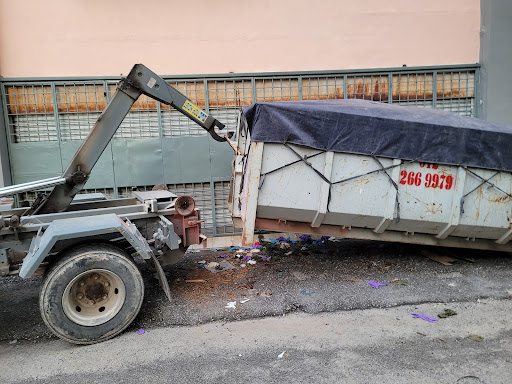
A RORO bin (tong roro) is a large waste container delivered and collected by a roll-on roll-off lori. The bin is placed on site for loading, then picked up later when the job is finished or swapped if ongoing work still needs a container.
It is commonly used for renovation waste, construction debris, bulky disposal, factory cleanouts, warehouse waste, and shoplot clearing where normal rubbish collection is not enough.
What’s Included / Not Included
Usually included
- Bin drop-off
- On-site placement based on workable access
- Pickup after loading is complete
- Swap planning if required and subject to slot availability
- General scope check based on waste type and site notes
Usually not included unless clearly agreed - Manual clearing by workers
- Sorting mixed waste on site
- Dismantling fixtures or structures
- Crane lifting or special access equipment
- Traffic control, permits, or building management arrangements
- Handling of restricted waste categories
To avoid confusion, send the waste type, loading plan, and access notes before the slot is arranged.
How to Verify the Service Was Done Right (Quick Checklist)
- The bin size matched the actual job scope reasonably well
- The bin was placed where loading could be done without blocking critical access
- Ground placement looked stable and practical for pickup later
- Access limits were discussed before arrival, not after
- Pickup vs swap was clarified based on how the job was progressing
- Loading stayed within safe bin limits and was not visibly overfilled
- Waste type matched the agreed scope
- The site contact knew the planned timing and access steps
- Collection was requested with enough lead time for slot planning
Typical Timeline & What Affects It
Timing depends on slot availability, site readiness, and access complexity.
What usually affects timing
- How quickly the inquiry includes full job details
- Whether the site is condo, landed, shoplot, warehouse, or active renovation site
- Guardhouse or management approval steps
- Loading bay booking windows
- Tight access, narrow turns, or back-lane congestion
- Whether you need a one-time pickup or a swap during ongoing work
- Weather conditions and ground readiness
The smoother jobs are usually the ones where the access notes are shared upfront and the site contact is prepared before drop-off.
Cost Drivers
Exact pricing is not listed here because waste jobs vary too much.
What normally affects cost
- Bin size needed
- Waste type and weight profile
- Duration on site
- Number of trips needed
- Pickup only versus swap requirement
- Access difficulty for the lori
- Placement complexity
- Waiting time caused by site restrictions or unready access
- Distance and scheduling practicality
The fastest way to get a usable scope is to send area, waste type, rough volume, and access notes together.
Local Notes for Simpang Ampat
Simpang Ampat jobs can look simple on paper and still slow down on arrival. Mixed site types are common here: landed homes with tighter roadside parking, shoplots that rely on back-lane access, industrial or warehouse units that need clear turning space, and managed buildings where entry depends on guardhouse approval or loading bay timing.
For condo or managed property work, it helps to check whether the guardhouse needs advance notice and whether building management limits drop-off hours. Some sites also require a named PIC on arrival. For shoplots, the real question is often not front access but whether the back-lane is clear enough for lori movement and whether nearby loading activity blocks the drop zone.
Basement access should never be assumed. Height limits and tight turns can make direct entry unsuitable, so above-ground placement may be the practical option. On landed streets, parked cars, dead-end layouts, and narrow approach roads can also affect turning radius and final placement. For industrial or warehouse clearouts, enough space must remain for normal site movement after the bin is placed.
Rain also changes the plan. Wet ground, loose debris, and exposed waste can slow loading and collection if the site is not prepared properly.
How to avoid delays: share access notes early, name the site PIC, and give the preferred time slot before the drop-off is arranged.
Common Local Scenarios (Condo / Landed / Renovation Site / Shoplot)
Condo
The main issues are usually guardhouse entry, loading bay timing, lift booking rules, and short working windows. A bin plan works better when the building-side process is confirmed first.
Landed
The common problems are roadside parking, narrow approach roads, drain edges, and limited turning space. Placement should leave enough room for both loading and later pickup.
Renovation Site
Ongoing renovation often needs clearer planning on waste type, loading pace, and whether one bin is enough or a swap may be more practical. Pickup timing should not be left to the last minute.
Shoplot
Back-lane access often decides the whole job. Clearance, nearby loading activity, and after-hours practicality matter more than just the unit address. Some jobs work better when timing is planned around lower traffic periods
RORO BIN RENTAL SIMPANG AMPAT FAQS
Yes. That is one of the more practical use cases in Simpang Ampat, especially for factory clearing, production waste buildup, and periodic cleanup work. The real issue is usually access: whether the lori can enter, turn, place the bin properly, and still leave enough room for site movement.
Sometimes, but back-lane conditions matter more than people expect. In many Simpang Ampat shoplot rows, the challenge is blocked lanes, delivery vehicles, shared rear access, or limited room for the lori to reverse and align the bin.
Usually yes, but landed jobs here depend heavily on roadside parking, neighbour vehicles, and whether the road layout gives enough turning space. A simple home renovation can become awkward fast if the lori has no clean approach.
Start with the area, waste type, rough volume, and whether the site is a factory, warehouse, landed house, or shoplot. Then add the access side: narrow road, guardhouse, back-lane, loading bay, basement, slope, or any time restrictions.
Yes, especially when the site sits in a busier commercial or industrial pocket. Some jobs are easier to run outside peak loading periods, while others depend on a short entry window approved by the PIC or building side.
That depends on more than just road width. Parked cars, corner angle, drain edges, and whether the lori has room to straighten out all affect whether delivery is practical.
If the job is a one-off clearout, pickup is usually enough. If waste is still being generated over several days, a swap often keeps the work moving better than waiting until the site is fully blocked by a filled bin.
Yes. Construction and renovation sites are a common reason to arrange a RORO bin here. What matters most is whether the placement area stays workable during the job and still allows collection later without site disruption.
The usual problems are incomplete access notes, blocked rear lanes, poor turning space, site not ready on arrival, or pickup requests made too late when scheduling is already tight. Most delays start before the lori even moves.
In many cases, yes, but the placement has to respect daily movement inside the site. Warehouse jobs often need more thought because the bin cannot interfere with loading flow, forklift paths, or normal goods handling.
Yes, especially for clearing shelving, fittings, old stock, packaging waste, and renovation debris. These jobs often look small from the front, but the rear access tells the real story.
Do not overfill the bin, do not stack material in an unstable way, and do not mix in waste that was never mentioned at booking stage. Problems usually happen when the load grows faster than expected and nobody resets the plan.
That should be flagged early. Entry-controlled sites often need a named PIC, a timing window, or a simple pre-alert so the lori does not get stuck waiting outside.
Yes, for some factories, warehouses, and longer renovation jobs, scheduled disposal is more efficient than treating every pickup as a fresh arrangement. It works best when the waste pattern is predictable and site access stays consistent.
Because bad placement creates two problems instead of one: difficult loading now, and difficult pickup later. In Simpang Ampat, that usually comes down to industrial traffic flow, back-lane clearance, roadside pressure, and return access for the lori.