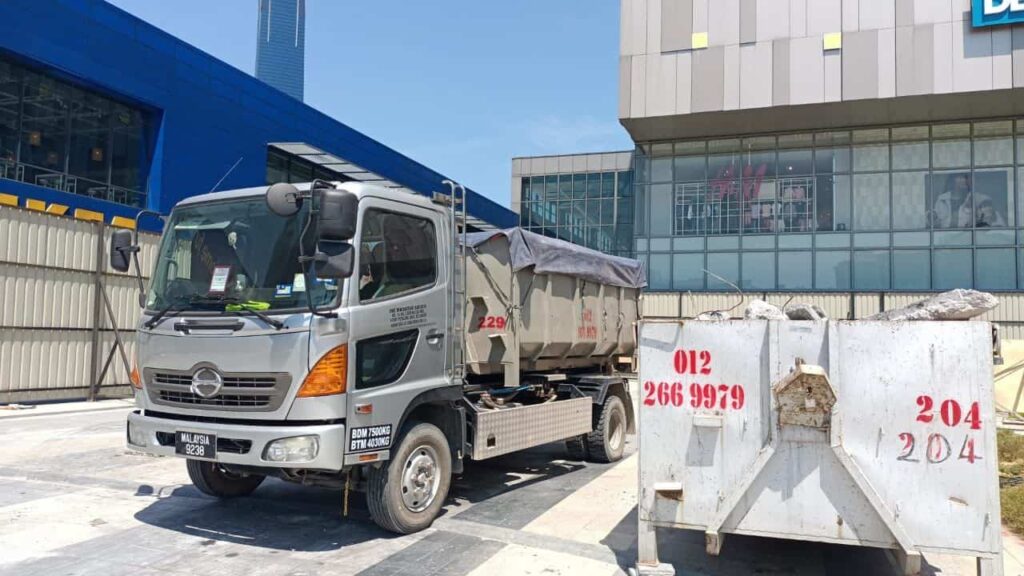

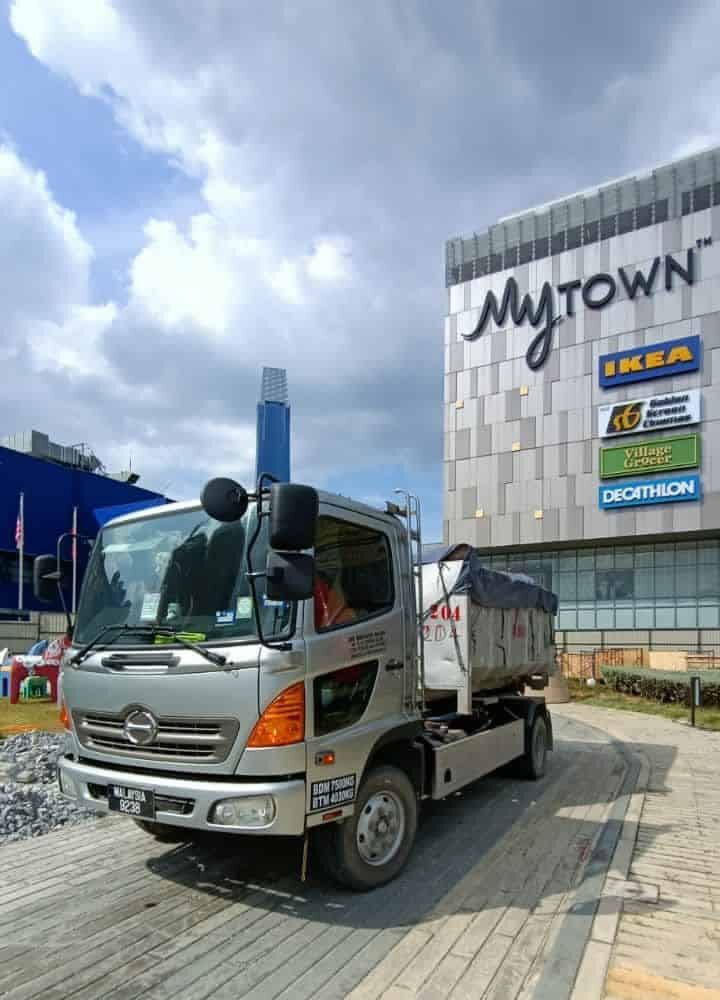
RORO BIN RENTAL TAMAN DESA
Find The Right Size For Your Project

Small Roro Bin
Dimensions: 12′ (L) X 6′ (W) X 2.5′ (H)
Best Use: Heavy construction and demolition waste like concrete and soil.

Large Roro Bin
Dimensions: 12′ (L) X 6′ (W) X 4′ (H)
Best Use: Light-weight construction, industrial, commercial waste, furniture, household bulky waste, trees and etc.

Domestic Roro Bin
Dimensions: 12′ (L) X 6′ (W) X 4′ (H) with roof
Best Use: Domestic food waste (Organic waste).

Extra Giant Roro Bin
Dimensions: 16′ (L) X 8′ (W) X 6′ (H)
Best Use: Light-weight construction, industrial, commercial waste, furniture, household bulky waste, trees and etc.

Giant Roro Bin
Dimensions: 14′ (L) X 7′ (W) X 5.5′ (H)
Best Use: Light-weight construction, industrial, commercial waste, furniture, household bulky waste, trees and etc.
WHAT MAKES US DIFFERENT ?

Value Price

Express Service

Licensed Under Local Authorities

Quick Scheduling
TESTIMONIALS
-
Very efficient group. Called and came almost immediately. I've used them three times already. Very good service 👍🏽👍🏽
 Azura Lodin
July 6, 2024Good service from this company. Urgent request also can come. Other company will reject but this company will help you. Good drivers attitude. Will order again or perhaps can be my only roro bin supplier 😉
RD ONE ENGINEERING
June 6, 2024Servis Terbaik . Sangat puas hati, message pukul 10, pukul 12 boleh deliver hantar tong roro. Dan harga berpatutan.
Firdaus Samsudin
February 6, 2024responsive and prompt, recommended
nurul zain
September 6, 2023 -
Good servis 👍🏻
OMNI Fahmi
September 6, 2023Very fast response and very professional
Muhammad Zikri 'Ala
September 6, 2023Easy to contact, fast response & fast delivery
Zahran Daud
September 6, 2023Great service ⭐👍🏻
shahrin shahari
September 6, 2023 -
Very good and fast service i rate 5 stars
Amril Nurman Abdul Hamid
September 6, 20231. Their bins are clean. 2. Their trucks are well maintained. 3. They have a lot of bins. 4. Only problem is they're often late. 5. Overall good service and good attitude. 6. Will use them again. 7. Oh yeah, their trucks have nice number.
James Oh
September 6, 2022thank you for the giant bin. it's just nice to fit in our office waste. thank you for your good service and to your staff (uddy-driver) too . he is quite helpful..am gonna use your bin (roro) service next time for my house .
cindy fred
September 6, 2022I spent a few days calling different providers and this is one of the top ones (at least in 2021 so far!) Great value for the service provided. Can expect a bit of delay (it is Malaysia after all), but with the generous 10 days period it is still reasonable. I think better to call 2 days in advance to allow them to be on time. Driver was good and was able to move the bin into a tight spot
Calvin Tang
September 6, 2021 -
Absolutely reasonable price, great and timely, it definitely worth the recommendation. Surely will reorder in the future.
Jaeda TCY
September 6, 2021Found the contact online. Was looking for a rorobin to throw away old furniture. Very helpful in deciding which size to use. Used their service twice. Very satisfied.
Aman Almahdaly
September 6, 2021








OUR CLIENTS


PROJECT REFERENCE


RORO Bin Rental Taman Desa
Check the Load Mix Before Choosing the Tong Roro
Will this waste come out in one round, or will it change after hacking, dismantling, clearing, renovation, stock removal, or fit-out begins? For roro bin rental taman desa, the safer plan starts by checking the load mix first — bulky cabinets, heavy debris, loose rubbish, staged renovation waste, and whether pickup access can stay workable.
In Taman Desa, many jobs happen around condos, apartments, terrace houses, landed homes, shoplots, offices, retail units, food outlets, storage rooms, and small business premises. The waste visible at the start may not match what appears later after tile hacking, cabinet removal, partition removal, ceiling work, or tenant handover clearing.
Do not choose the bin only from what you can see now. Share the expected first waste round, possible later waste rounds, estimated amount, access condition, and whether early collection or exchange/swap may be needed. Send the job details early for a practical bin and collection plan.
The First Waste Round Does Not Show the Full Load
A first pile can look simple, but the next waste round may change the whole bin plan.
A condo renovation may start with light packaging and old fittings, then suddenly produce heavy tile hacking waste. A shoplot clearing job may begin with loose rubbish, then reveal bulky racks, signage, timber, partitions, and old counters. A house renovation may first remove cabinets and doors, then produce concrete pieces, bricks, rubble, and mixed construction debris.
This matters because practical capacity is not only about empty bin space. The site PIC should think about:
- Whether the first batch is bulky, light, heavy, mixed, loose, or uncertain
- Whether later work may create heavier debris
- Whether bulky waste will fill airspace quickly
- Whether heavy debris may reach practical loading limits earlier
- Whether loose rubbish may spread around the bin
- Whether access for pickup can remain clear
- Whether one pickup is enough, or exchange/swap should be planned
A bin can look like it still has space but already be unsuitable for more heavy loading. A bin can also fill quickly with furniture, cabinets, racks, carpet, ceiling boards, pallets, doors, frames, grilles, and dismantled fittings even when the total weight is not high.
Taman Desa Jobs Where Waste Changes Midway
Taman Desa has a mix of residential, small commercial, retail, office, and food outlet activity, so waste often changes as the job opens up. An apartment or condo renovation may begin with loose packaging and old fittings, then continue into cabinet removal, ceiling work, partition removal, tile hacking, and mixed renovation waste. A terrace or landed house job may start with bulky furniture and timber, then later produce heavier rubble or construction debris.
Shoplot, office, retail, storage, stockroom, small business, warehouse, workshop, and food outlet clearing can also create uneven waste rounds. Racks, fixtures, signage, partitions, pallets, timber, fittings, carpet, ceiling boards, doors, grilles, and frames may take bin space quickly, while tiles, concrete pieces, bricks, hacking waste, soil, and rubble can reach practical limits earlier than expected.
Access pressure also matters. Frontage, shared parking, roadside edge, back-lane movement, loading bay timing, service entrance use, shop access, office access, apartment access, condo access, house access, stock movement, customer access, resident movement, and contractor sequencing can affect when pickup or exchange/swap should happen. Rain can also slow loading and make loose rubbish harder to control.
To reduce delays, provide the Taman Desa site area, waste type, estimated amount, first waste round, possible later waste rounds, practical capacity concern, access condition, pickup preference, and possible exchange/swap need before scheduling.
Screen the Load Before Matching the Lorry Slot
A proper RORO bin plan starts with a short load mix note, not just “need one bin”.
Share these details before arranging the slot:
- Taman Desa site location and job type
- Waste type and estimated amount
- Whether the waste is bulky, heavy, light, loose, mixed, staged, or uncertain
- Whether loading is one-time, continuous, staged, or not yet clear
- Expected loading start
- Whether waste appears before, during, or after hacking, dismantling, cabinet removal, fixture removal, ceiling work, retail refresh, office strip-out, shoplot clearing, apartment renovation, condo renovation, house renovation, commercial fit-out, storage clearing, stockroom clearing, food outlet clearing, or handover preparation
- Whether the first batch may be different from the next batch
- Whether the main concern is space, weight, awkward shape, loose rubbish, mixed loading, or unknown waste
- Point where loading or pickup access may become difficult
- Whether one-pass pickup, planned pickup, early collection, exchange/swap, staged removal, or monitoring may be needed
- Preferred pickup, collection, or exchange/swap timing
- Site PIC or person coordinating loading and collection
This helps avoid choosing a bin based on a rough guess that changes once the real work begins.
From Load Forecast to Collection Choice
The right collection choice depends on what comes out now, what may come out later, and how fast the bin changes during loading.
One-pass pickup suits predictable waste
Use this when the waste type is clear, loading happens mostly in one round, no major second batch is expected, and pickup access can stay workable. This can suit straightforward house clearing, small stockroom clearing, or predictable shoplot waste where the site can wait for an available collection slot.
Planned pickup suits controlled loading progress
This works when the site PIC can estimate when the bin will be ready. It is useful when the bin should be collected before it becomes too full, too heavy, or difficult for the lori to access.
Early collection suits fast-changing risk
Request early collection when heavy debris is approaching practical limits, bulky waste is using space faster than expected, loose rubbish is spreading, or access is becoming pressured. Waiting too long can increase overfill, timing, access, or safety risk.
Exchange/swap suits ongoing waste production
Exchange/swap makes sense when a second or third waste round is expected. It is useful when bulky items fill the bin quickly, heavy debris limits usable capacity, or mixed waste makes the next round uncertain.
Staged monitoring suits uncertain jobs
Monitoring suits jobs where the next waste round is not confirmed yet. This may happen after hacking, dismantling, cabinet removal, office strip-out, stock clearing, retail refresh, food outlet clearing, or construction work starts.
Mid-page inquiry CTA: share the waste type, expected first and next waste round, estimated amount, loading progress, access condition, and preferred pickup, collection, staged removal, or exchange/swap timing so the collection choice can be checked before the site becomes difficult to manage.
Local Waste Change Scenarios
Light waste first, bulky fittings later
A Taman Desa office, retail unit, shoplot, apartment, or stockroom job may begin with loose packaging, small rubbish, or light clearing waste. Later, the team may remove cabinets, racks, partitions, signage, timber, carpet, doors, frames, or old fittings.
The practical issue is space. Bulky waste can fill airspace quickly even when it is not extremely heavy. If this is misjudged, the bin may fill before the job is complete. Planned pickup or exchange/swap may suit the site, especially where frontage, shop access, tenant movement, or stock movement must stay clear.
Manageable first pile, heavy debris after hacking
A condo, apartment, terrace house, shoplot, or retail renovation may first show a small pile of old fittings and loose waste. After tile hacking or wall work starts, concrete pieces, bricks, rubble, and construction debris may appear.
The practical issue is weight. Heavy debris cannot be judged by volume alone. If loading continues without checking the practical limit, early collection may be safer than waiting until the bin looks full. The site PIC should update before the bin becomes too heavy or pickup access becomes tight.
Strip-out waste becomes mixed halfway
Office strip-out, retail refresh, food outlet clearing, commercial fit-out, or tenant handover work can produce mixed waste in stages. Ceiling boards, fixtures, frames, grilles, doors, timber, tiles, rubble, fittings, and loose debris may appear together.
The practical issue is uncertainty. Mixed waste can affect loading speed, usable space, and pickup timing. Monitoring or exchange/swap may be better than assuming one bin will settle everything. Contractor path, customer access, service entrance use, and loading bay movement should be considered where relevant.
Hidden waste appears only after clearing starts
Some storage, stockroom, small business, apartment, condo, or landed house clearing jobs look simple until cabinets, racks, stock, furniture, or fixtures are removed. The real amount may only become clear after the first clearing round.
The practical issue is wrong estimation. If the first batch is treated as the whole job, the site may run out of bin capacity before the later waste appears. Staged monitoring is useful when the PIC is unsure whether the next round will be bulky, heavy, loose, or mixed.
Loose rubbish starts affecting access
Loose rubbish, packaging, small debris, light waste, and broken pieces can spread around the bin during active loading. In limited-space Taman Desa sites, this may affect shared parking, back-lane movement, roadside edge, shop access, office access, house access, apartment access, condo access, or contractor movement.
The practical issue is collection access. Even if the bin itself is usable, side piles can make pickup harder. Early collection or better loading control should be discussed before loose waste blocks the working side of the bin.
Keep the Bin Collectable While Loading Continues
Loading control protects the bin plan after drop-off. Use these habits while the bin is on site:
- Match the loading method to the waste type.
- Think separately about space-consuming waste and weight-heavy debris.
- Do not load above the safe or agreed level.
- Avoid blindly concentrating heavy debris in one area.
- Identify restricted or unsuitable waste before loading.
- Keep loose waste inside the bin where possible.
- Avoid side piles that create extra clearing problems.
- Break down bulky items where practical.
- Keep pickup-side access workable for the lori.
- Keep frontage, shop access, office access, house access, apartment access, condo access, back-lane, loading bay, service entrance, shared parking, customer path, resident movement, tenant path, stock movement, and contractor route clear where relevant.
- Update the coordinator if loading speed or waste type changes.
- Request pickup or discuss exchange/swap before overfill or access pressure becomes serious.
Stop loading if the waste exceeds the agreed scope, becomes unsafe, or no longer matches the original plan.
Quote, Cost and Timing Should Follow the Real Load
The quote should follow the waste expected to come out, not only the first visible pile. A clearer waste forecast helps reduce wrong bin choice, unclear timing, and last-minute changes.
Usually covered within the agreed scope:
- Bin drop-off
- Basic waste-type checking
- Bin plan suggestion
- Pickup timing discussion
- Exchange/swap discussion if needed
- Loading limit guidance
- Coordination based on provided site details
- Transport and disposal flow within agreed scope
Confirm before booking:
- Exact timing promises
- Whether labour for loading is included or excluded
- Permit or management approval where relevant
- Loading bay booking or service lift coordination where relevant
- Apartment, condo, office, shoplot, retail unit, food outlet, small business, storage, warehouse, workshop, or commercial building coordination where relevant
- Restricted or unsuitable waste
- Unsafe overfilled loading
- Additional trips
- Waiting time caused by an unready site
- Access or timing changes after scheduling
- Waste type changes after agreement
- Second or third waste batch not mentioned earlier
Cost and timing can change because of bin size, waste amount, bulky versus heavy loading, pickup only versus early collection, exchange/swap needs, staged removal, number of trips, distance, route, timing pressure, site waiting risk, overfill risk, restricted waste, pickup access, access complexity, and coordination requirements.
A clear quote should state accepted waste, excluded waste, drop-off arrangement, pickup arrangement, exchange/swap arrangement if needed, labour inclusion or exclusion, timing subject to availability, site assumptions, what may trigger extra cost, what may trigger rescheduling, and who the site PIC is.
Booking Flow Based on Waste Rounds and Pickup Choice
Use this flow when arranging tong roro in Taman Desa:
- Provide the Taman Desa site area, job type, and site notes.
- Explain whether the waste is bulky, heavy, staged, mixed, loose, light, or uncertain.
- Estimate the waste amount and expected waste rounds.
- Explain whether the main concern is space, weight, mixed loading, access, overfill, or unknown waste after work starts.
- Identify the access condition, such as frontage, shared parking, rear loading, back-lane, loading bay, service entrance, roadside edge, building access, shop access, office access, house access, apartment access, condo access, customer access, resident movement, stock movement, tenant movement, or contractor path.
- Decide whether one-pass pickup, planned pickup, early collection, exchange/swap, staged removal, or monitoring is more suitable.
- Check site readiness and lorry slot availability.
- Arrange drop-off after the details are checked.
- Plan pickup or exchange/swap based on loading progress, waste type, practical capacity, and schedule availability.
Timing depends on inquiry timing, lorry slot availability, waste type, waste amount, loading speed, pickup urgency, exchange/swap requirement, site readiness, weather, access timing, traffic or route conditions, changes after booking, and Taman Desa site coordination.
There are no fixed-hour promises unless separately checked and agreed.
RORO BIN RENTAL TAMAN DESA FAQS
Start by sharing the Taman Desa site type, such as condo, apartment, terrace house, landed house, shoplot, office, retail unit, food outlet, storage room, or commercial unit. Also mention the waste type, estimated amount, loading start, access condition, and whether the waste may come out in more than one round.
For condo or apartment renovation waste in Taman Desa, explain whether the waste includes cabinets, tiles, ceiling boards, doors, frames, fittings, loose debris, or mixed renovation waste. Also check building access, loading area, service entrance or loading bay use where relevant, and who will coordinate the loading and pickup.
Yes, but the bin plan should match the actual waste mix. Terrace and landed house jobs may start with old furniture, cabinets, doors, timber, and fittings, then later produce heavier tile, concrete, brick, or hacking debris. If the later waste round is not clear, staged monitoring or early pickup discussion is safer.
It depends on what appears after clearing starts. A shoplot may first show loose rubbish or packaging, then later reveal racks, signage, partitions, timber, counters, fixtures, and mixed renovation debris. If more waste is expected after dismantling, exchange/swap planning may be better than assuming one bin is enough.
Many Taman Desa jobs happen in active residential or commercial spaces where waste comes out in stages. The first batch may be light or bulky, while the next batch may become heavy after hacking, dismantling, cabinet removal, or office strip-out. The bin should be planned based on the full expected load mix, not just the first pile.
Early collection should be discussed when heavy debris is reaching practical loading limits, bulky waste is filling space too fast, loose rubbish is spreading, or pickup access is becoming tight. This is especially important where shared parking, frontage, roadside edge, back-lane access, or customer and resident movement must stay workable.
Exchange/swap makes sense when waste is still being produced after the first bin is loaded. It may suit apartment renovation, condo renovation, house renovation, office strip-out, retail refresh, food outlet clearing, or shoplot renovation where a second or third waste round is expected.
Yes, depending on the waste type and access condition. Office jobs may include partitions, ceiling boards, carpet, furniture, frames, doors, fittings, loose rubbish, and sometimes heavier debris. Share whether the office access, lift area, loading bay, service entrance, or contractor path may affect loading and pickup timing.
Food outlets and small businesses should describe the waste clearly, especially if there are counters, racks, fixtures, signage, packaging, partitions, fittings, or stockroom waste. Also mention whether clearing must avoid blocking customer access, shop frontage, stock movement, tenant movement, or shared parking.
Stop guessing based on bin volume and update the coordinator. Heavy debris such as tiles, concrete pieces, bricks, rubble, soil, and hacking waste can reach practical limits before the bin looks full. Early collection may be needed before overfill, access, or safety issues appear.
Bulky items like cabinets, wardrobes, furniture, timber, partitions, racks, doors, frames, grilles, pallets, and signage can use up space quickly. Break down items where practical and discuss whether planned pickup or exchange/swap is needed before the next waste round arrives.
Access planning is important because many Taman Desa jobs involve condos, apartments, landed homes, shoplots, offices, retail units, and food outlets with limited working space. Keep the pickup side clear and avoid blocking frontage, shared parking, back-lane movement, roadside edge, loading bay, service entrance, customer path, resident movement, or contractor route.
Timing or cost may change if the waste type changes, extra waste rounds appear, the bin is overfilled, restricted waste is loaded, access becomes difficult, the site is not ready, or exchange/swap is needed. The quote should clarify accepted waste, excluded waste, pickup arrangement, labour inclusion or exclusion, timing subject to availability, and what may trigger extra cost.
Keep loose rubbish inside the bin as much as possible and avoid side piles. Loose waste around condos, apartments, shoplots, offices, food outlets, or terrace house frontage can affect pickup access, resident movement, customer access, or contractor flow. Arrange pickup or adjust loading before collection becomes difficult.