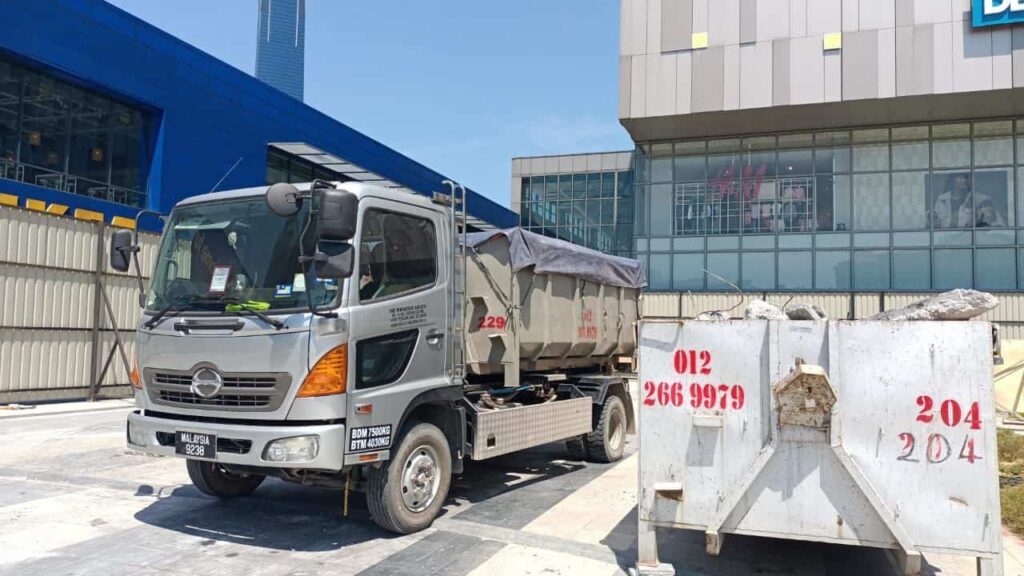

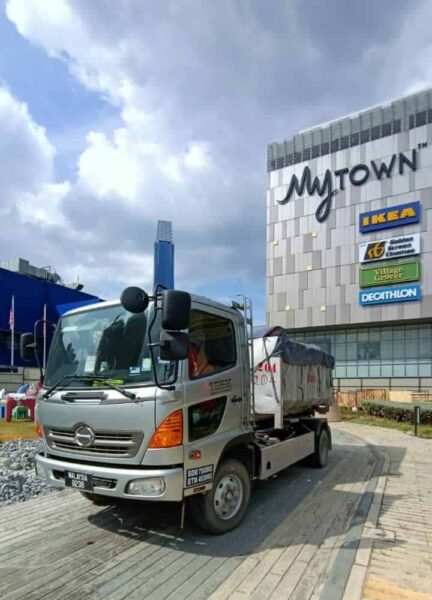
RORO BIN RENTAL YONG PENG
Find The Right Size For Your Project
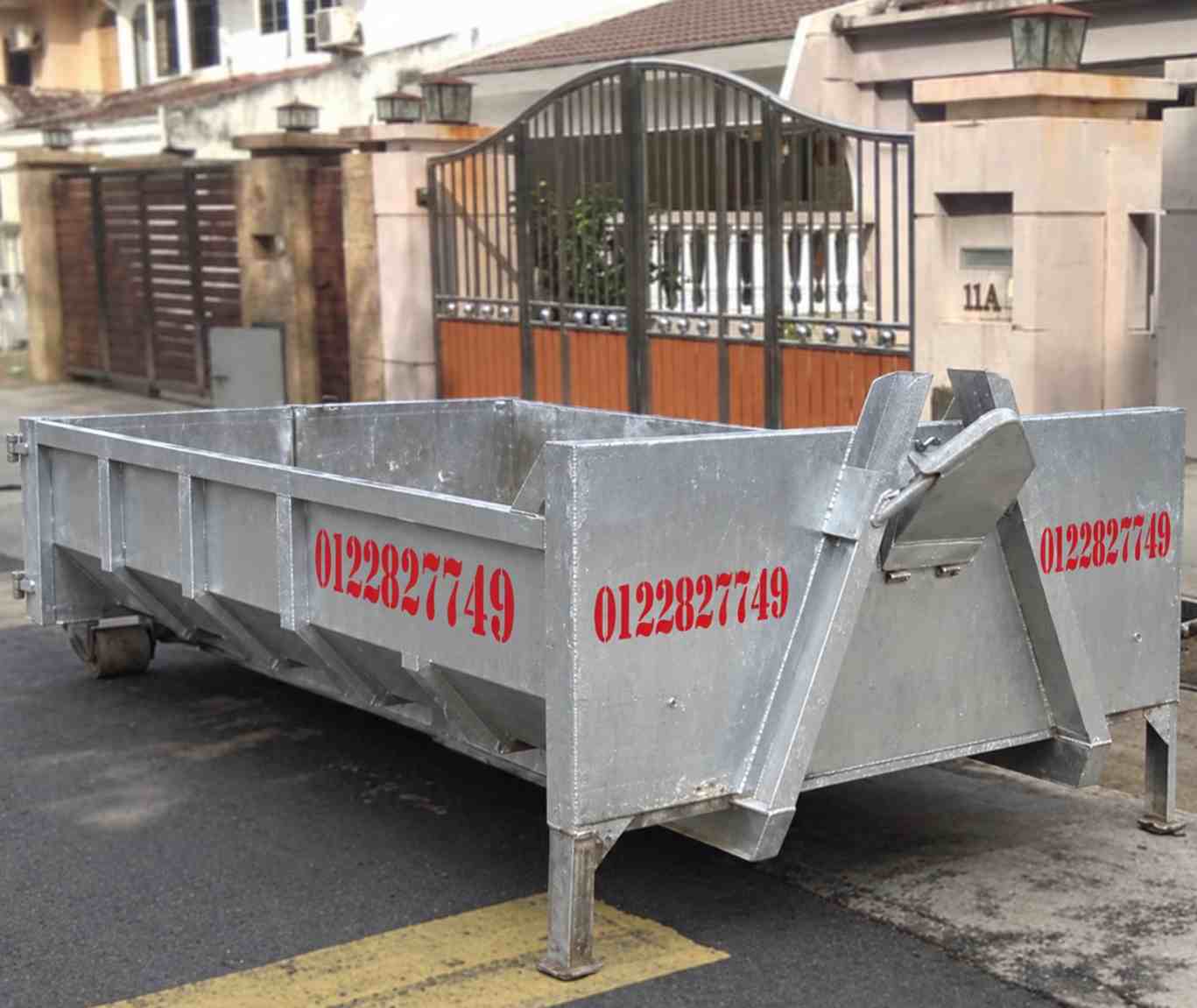
Small Roro Bin 2ft
Dimensions: 11′ (L) X 6′ (W) X 2′ (H)
Best Use: Heavy construction and demolition waste like concrete and soil.
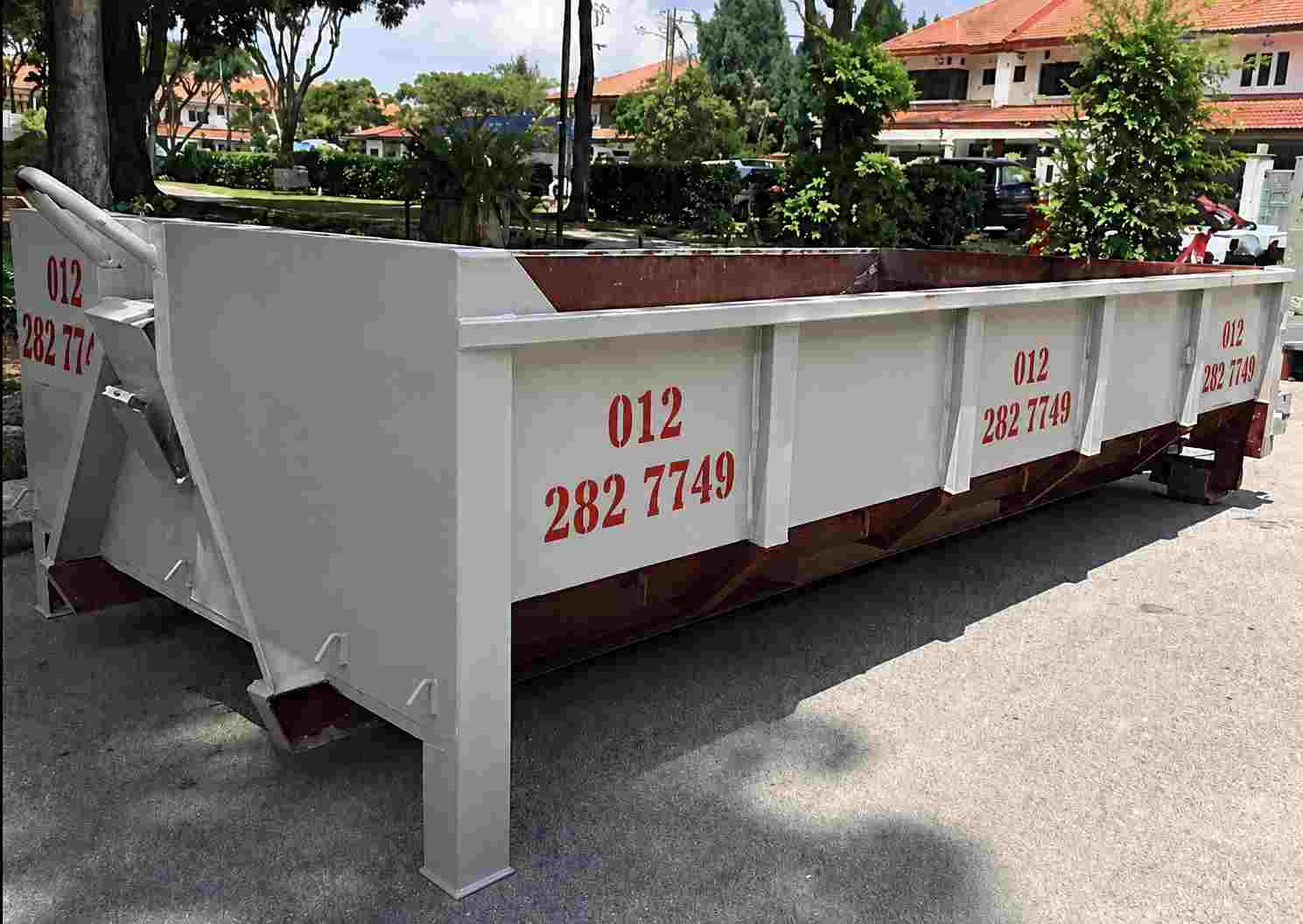
Small Roro Bin 2.5ft
Dimensions: 12′ (L) X 6′ (W) X 2.5′ (H)
Best Use: Heavy construction and demolition waste like concrete and soil.
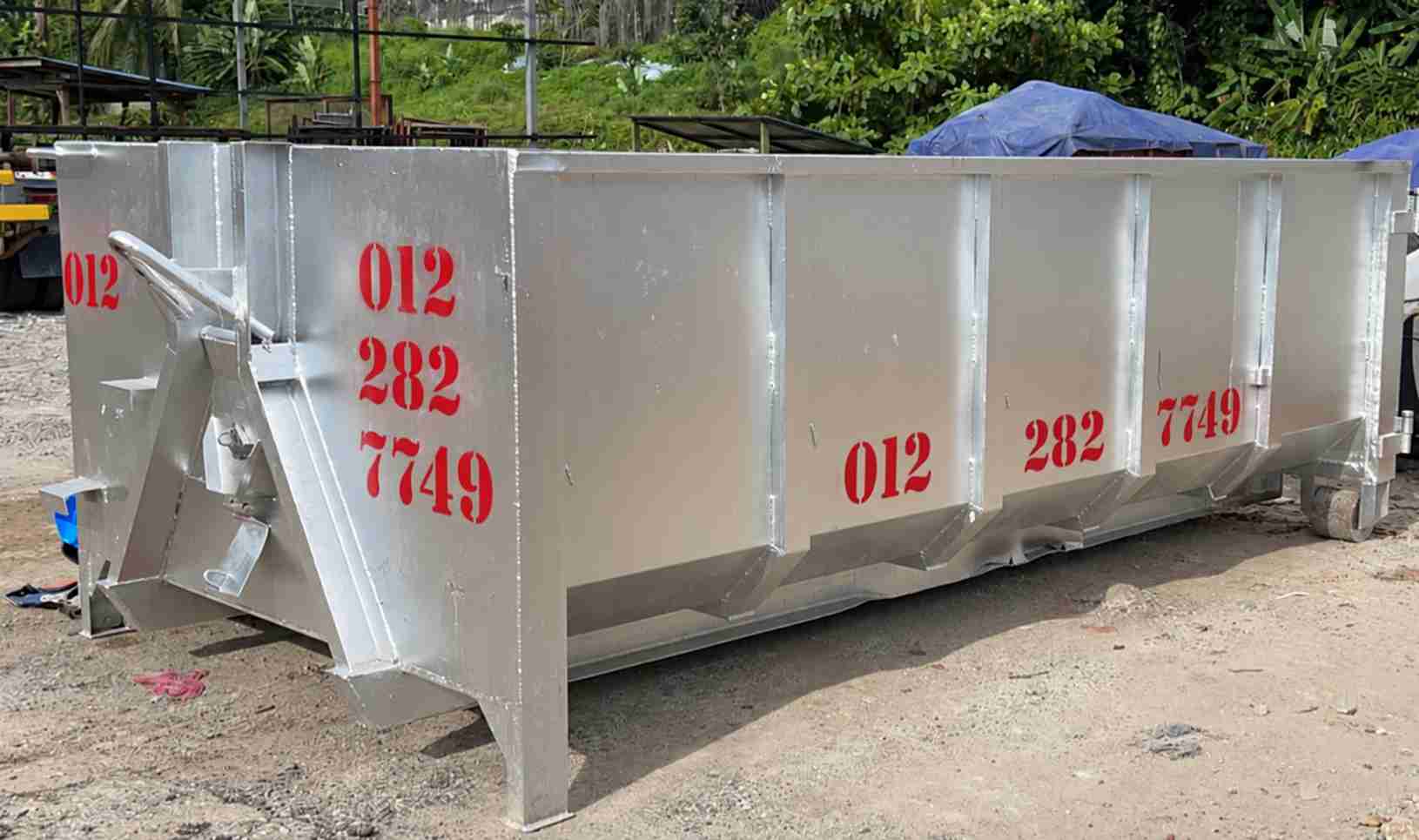
Medium Roro Bin 3ft
Dimensions: 12′ (L) X 6′ (W) X 3′ (H)
Best Use: Heavy construction and demolition waste like concrete and soil.
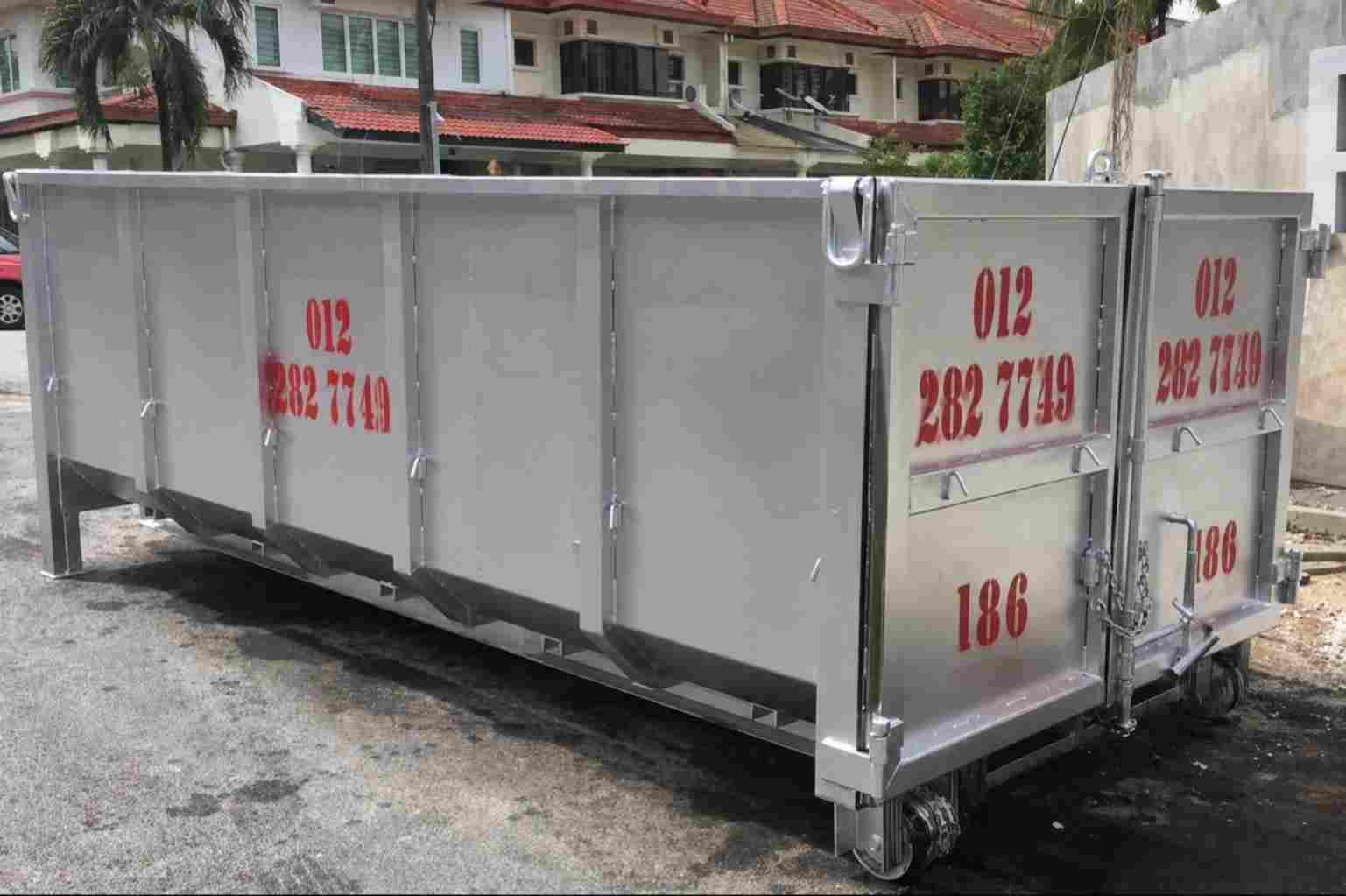
Large Roro Bin 4ft
Dimensions: 12′ (L) X 6′ (W) X 4′ (H)
Best Use: Light-weight construction, industrial, commercial waste, furniture, household bulky waste, trees and etc.
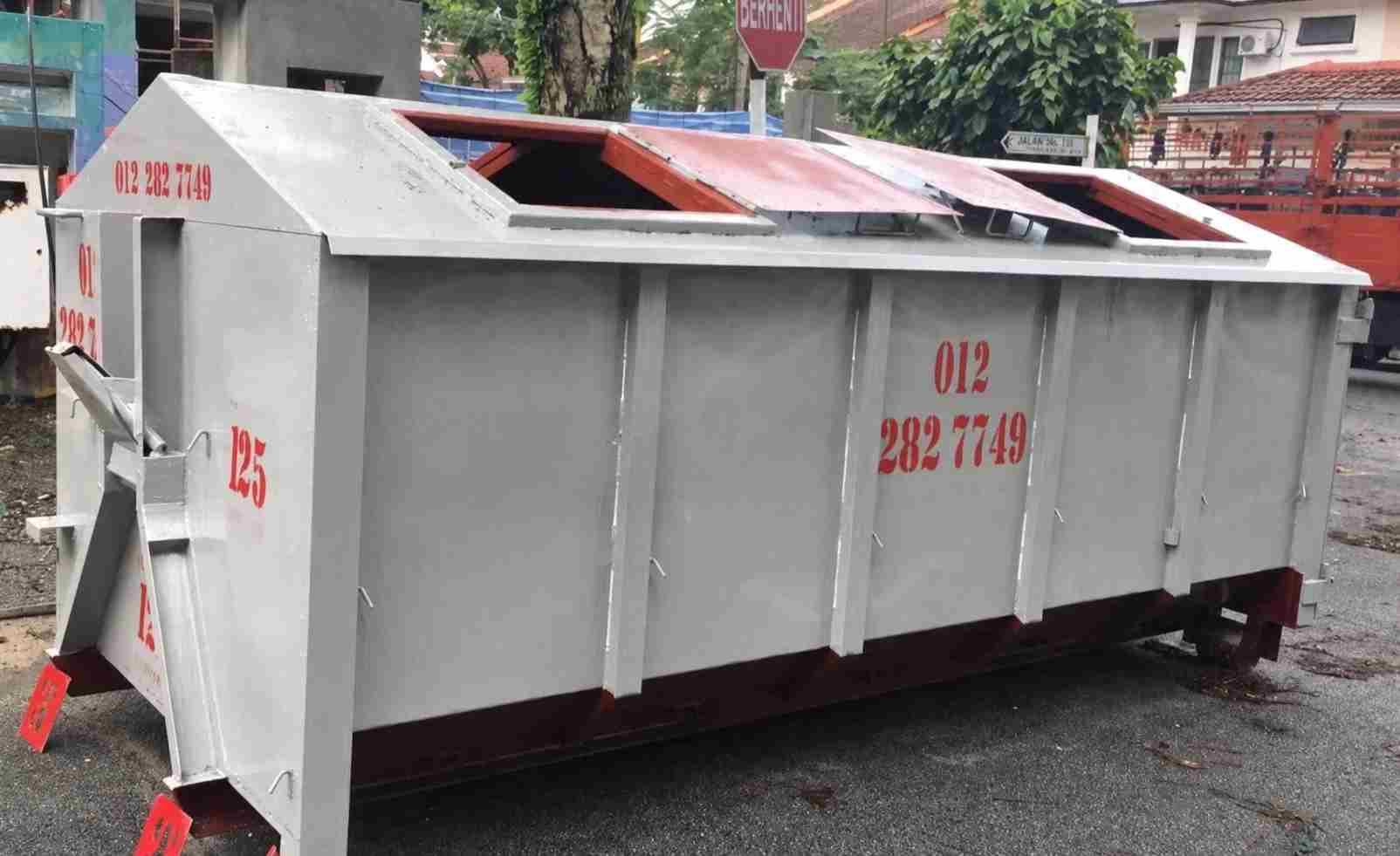
Domestic Roro Bin
Dimensions: 12′ (L) X 6′ (W) X 4′ (H) with roof
Best Use: Domestic food waste (Organic waste).
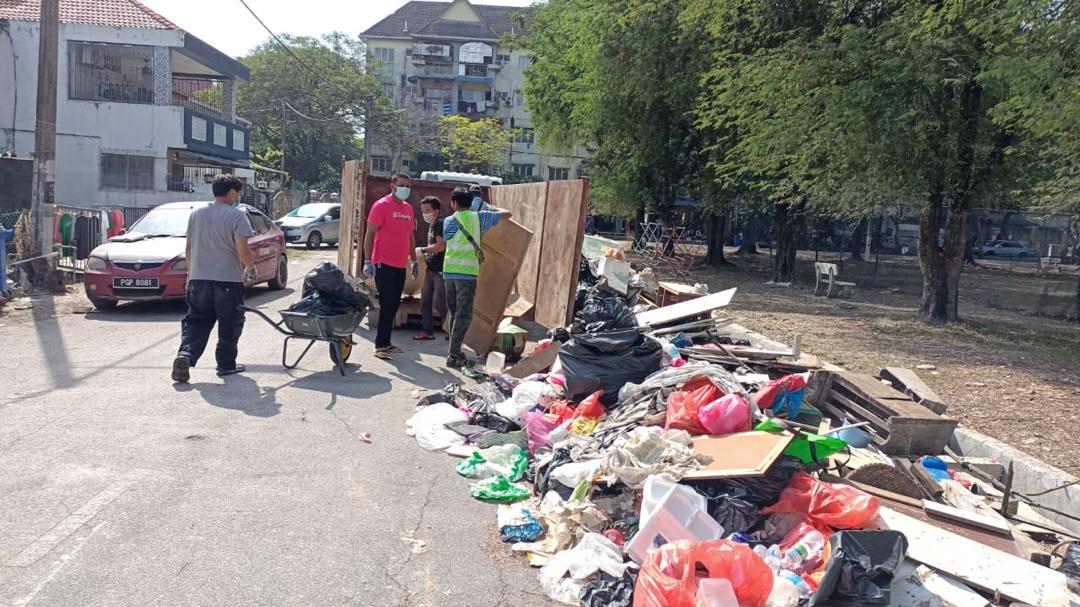

Extra Giant Roro Bin
Dimensions: 16′ (L) X 8′ (W) X 6′ (H)
Best Use: Light-weight construction, industrial, commercial waste, furniture, household bulky waste, trees and etc.
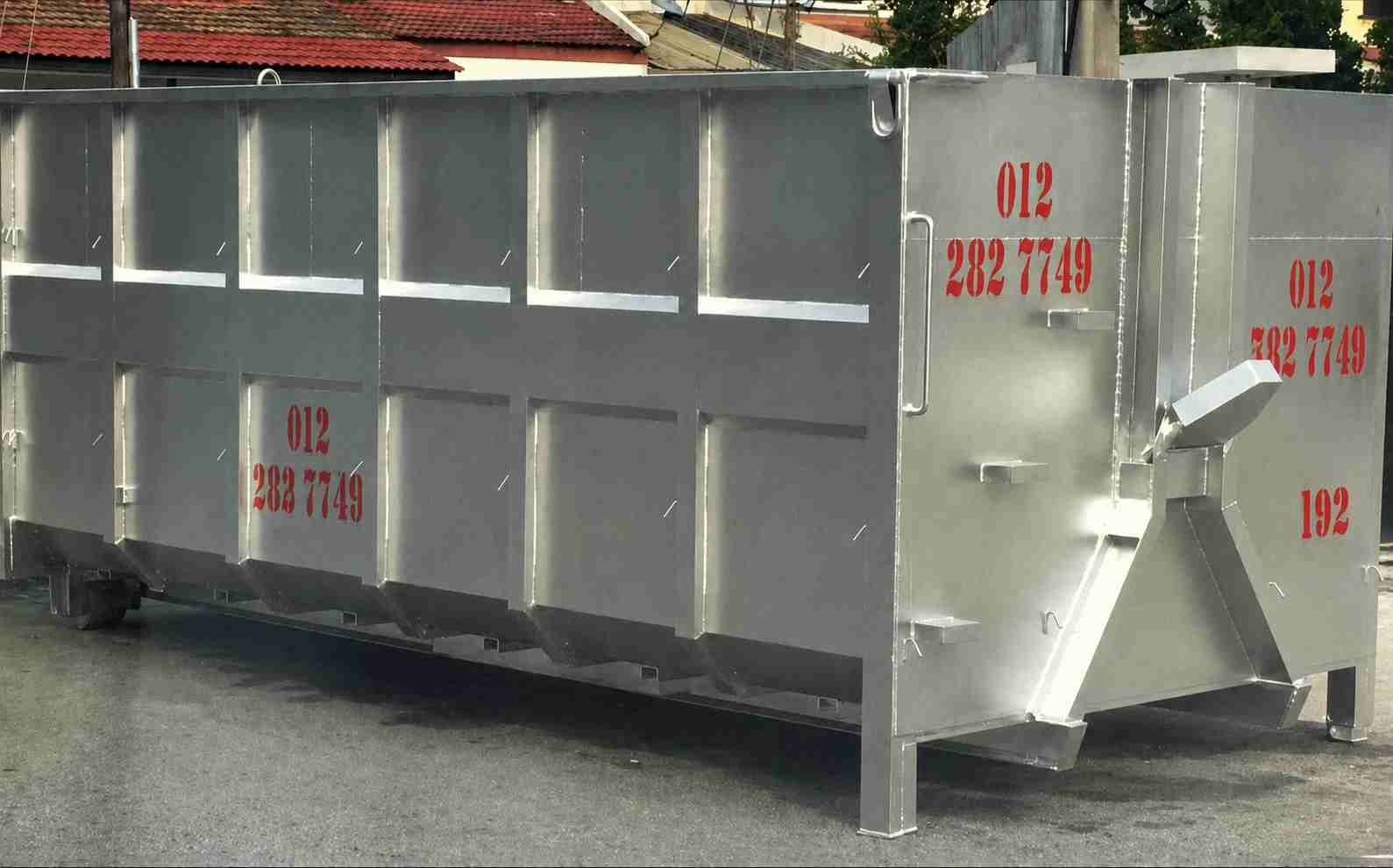
Giant Roro Bin
Dimensions: 14′ (L) X 7′ (W) X 5.5′ (H)
Best Use: Light-weight construction, industrial, commercial waste, furniture, household bulky waste, trees and etc.
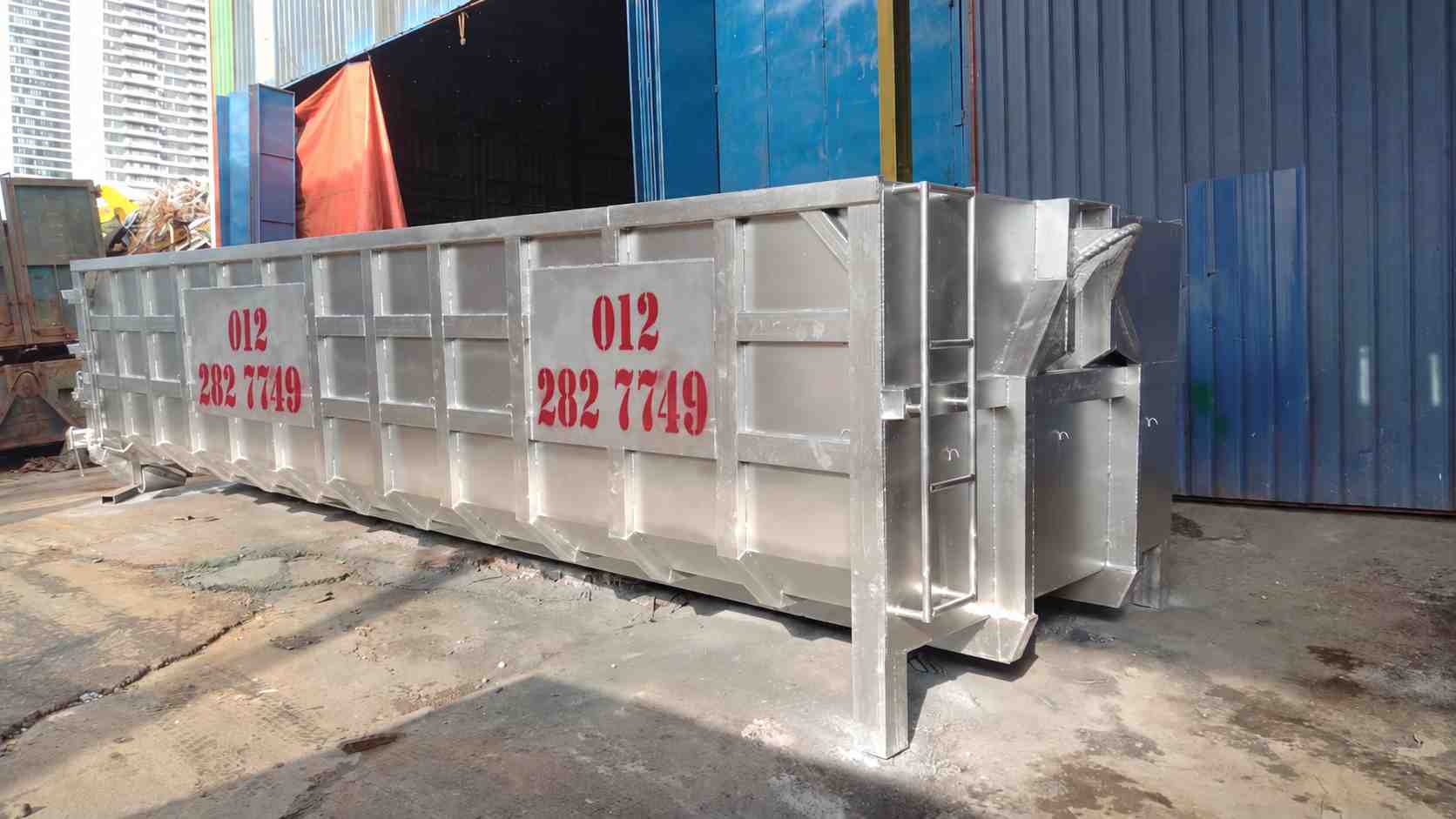
10 Tonne Roro Bin
Dimensions: 20′ (L) X 8′ (W) X 6′ (H)
Best Use: Light-weight construction, industrial, commercial waste, furniture, household bulky waste, trees and etc.
WHAT MAKES US DIFFERENT ?

Value Price

Express Service

Licensed Under Local Authorities

Quick Scheduling
TESTIMONIALS
-
Very efficient group. Called and came almost immediately. I've used them three times already. Very good service 👍🏽👍🏽
 Azura Lodin
July 6, 2024Good service from this company. Urgent request also can come. Other company will reject but this company will help you. Good drivers attitude. Will order again or perhaps can be my only roro bin supplier 😉
RD ONE ENGINEERING
June 6, 2024Servis Terbaik . Sangat puas hati, message pukul 10, pukul 12 boleh deliver hantar tong roro. Dan harga berpatutan.
Firdaus Samsudin
February 6, 2024responsive and prompt, recommended
nurul zain
September 6, 2023 -
Good servis 👍🏻
OMNI Fahmi
September 6, 2023Very fast response and very professional
Muhammad Zikri 'Ala
September 6, 2023Easy to contact, fast response & fast delivery
Zahran Daud
September 6, 2023Great service ⭐👍🏻
shahrin shahari
September 6, 2023 -
Very good and fast service i rate 5 stars
Amril Nurman Abdul Hamid
September 6, 20231. Their bins are clean. 2. Their trucks are well maintained. 3. They have a lot of bins. 4. Only problem is they're often late. 5. Overall good service and good attitude. 6. Will use them again. 7. Oh yeah, their trucks have nice number.
James Oh
September 6, 2022thank you for the giant bin. it's just nice to fit in our office waste. thank you for your good service and to your staff (uddy-driver) too . he is quite helpful..am gonna use your bin (roro) service next time for my house .
cindy fred
September 6, 2022I spent a few days calling different providers and this is one of the top ones (at least in 2021 so far!) Great value for the service provided. Can expect a bit of delay (it is Malaysia after all), but with the generous 10 days period it is still reasonable. I think better to call 2 days in advance to allow them to be on time. Driver was good and was able to move the bin into a tight spot
Calvin Tang
September 6, 2021 -
Absolutely reasonable price, great and timely, it definitely worth the recommendation. Surely will reorder in the future.
Jaeda TCY
September 6, 2021Found the contact online. Was looking for a rorobin to throw away old furniture. Very helpful in deciding which size to use. Used their service twice. Very satisfied.
Aman Almahdaly
September 6, 2021








OUR CLIENTS


PROJECT REFERENCE


RORO Bin Rental Yong Peng
If your job is in Yong Peng, the delay usually is not the bin itself. It is guardhouse check-in, loading bay timing, narrow roadside parking, or a tight turn where the lori cannot reverse cleanly. For shoplots, back-lane access matters. For residential jobs, parked cars, drain edges, and short maneuver space matter just as much.
This roro bin rental Yong Peng service is built around scope first: where the bin can go, how it will be loaded, and whether you need pickup only or a swap. That matters for renovation waste, construction debris, bulky clearance, and shoplot clean-outs.
Send the job details early and the planning gets easier. The usual flow is simple: check waste type, suggest size, review access, then check lorry slot for drop-off and pickup or swap depending on output speed.
Send this info
- Area in Yong Peng
- Job or waste type
- Size estimate: small, medium, large, or not sure
- Access type: condo, landed, shoplot, or site
- Access notes: guardhouse, loading bay, basement, narrow road, back-lane, turning space
- Preferred slot: date + morning, midday, or afternoon
- Whether you need pickup only or swap
- Coordination notes: PIC name + phone, lift booking, height limit, management rules, parking clearance
A clear inquiry helps reduce misfit sizing, bad placement, overfill issues, and wasted lorry slots.
Booking Process (How It Works)
- Send the basic job details, area, waste type, and access notes.
- The job is screened and a bin size is suggested based on volume and waste profile.
- Lorry slot availability is checked based on route, access, and preferred timing.
- Placement guidance is confirmed so the bin does not create access trouble during drop-off or pickup.
- Loading rules are clarified early to avoid overfill, spillover, or unsafe loading.
- Pickup or swap timing is planned based on how fast the waste is expected to build up.
- The standard transport and disposal flow is arranged after collection, subject to normal operating process.
What Is a RORO Bin (Tong Roro)?
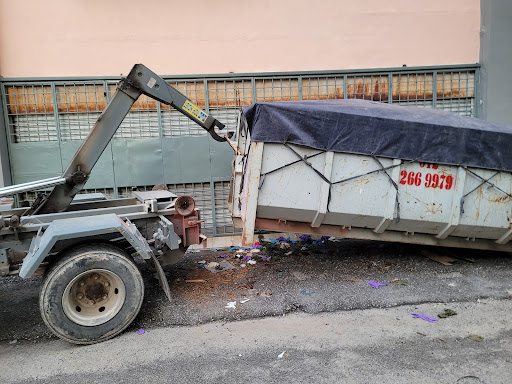
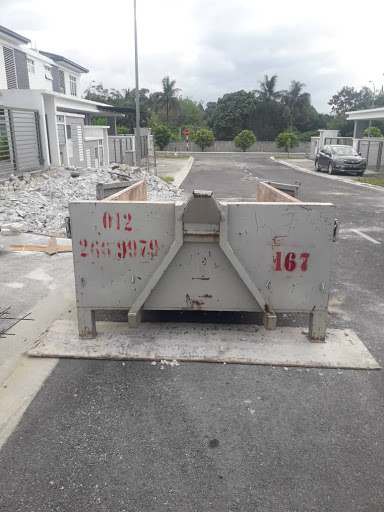
A RORO bin, or tong roro, is a large waste bin delivered and collected by a roll-on/roll-off lori. It is commonly used for renovation waste, construction debris, bulky disposal, and shoplot clear-outs. It works best when access, placement, and loading are planned properly before drop-off.
What’s Included / Not Included
Included
- Delivery and drop-off of the bin
- Placement guidance based on access and maneuver space
- Basic loading guidance to help avoid overfill and spill
- Pickup scheduling or swap planning, subject to lorry slots
- Timing updates based on operations route and schedule
- Standard coordination around access notes and site readiness
Not Included - Restricted or prohibited waste outside normal accepted scope
- Overfill, unsafe loading, or waste stacked above the rim
- Building permits, management approvals, or special site permissions
- Spill cleanup outside the bin area
- Manual carrying or hand-loading from inside a building unless separately agreed
- Site recovery for blocked access, failed entry, or uncontrolled staging
How to Verify the Service Was Done Right (Quick Checklist)
- The delivered bin matches the discussed job size
- Placement follows the agreed access plan
- The lori has a clear maneuver path for drop-off and collection
- The bin does not block gate access, resident movement, or key work zones
- The loading rules were made clear before filling starts
- Waste is kept below the rim, with no unsafe overflow
- Pickup or swap timing was discussed before the bin gets critical
- PIC and timing communication stays clear from drop-off to collection
- The area around the bin stays usable and reasonably tidy
Typical Timeline & What Affects It
Timing can be fast, or it can wait for the next workable slot. It depends less on theory and more on real access and routing.
Main timing factors include:
- Available lori slots on the route
- Traffic conditions around the Yong Peng corridor
- Condo or management timing windows
- Loading bay bookings or restricted delivery hours
- Basement height limits or tight turning space
- Narrow roads, parked cars, or dead-end approach
- Waste volume and how quickly the bin fills
- Whether pickup only is enough or a swap is needed
- Rain and site readiness
- Late changes to PIC, slot, or access details
Cost Drivers
Main cost drivers usually include:
- Bin size
- Rental duration
- Waste type
- Total weight versus loose volume
- Access difficulty
- Time restrictions
- Swap frequency
- Any special handling required
- Route distance within the Yong Peng / Batu Pahat corridor
What a Fair Quote Should Include - Recommended size and why it fits the job
- Drop-off scope
- Pickup scope or swap scope
- Assumed rental duration
- Swap terms if output is ongoing
- Loading and overfill rules
- Access assumptions such as guardhouse, loading bay, basement, or narrow road
- Waste type assumptions
- Site coordination needs including PIC and time slot
- Standard transport and disposal flow
- Common add-on triggers such as failed access, overfill, site not ready, or extra trip requirement
Local Notes for Yong Peng
Yong Peng jobs often look simple until access gets checked properly. A condo or apartment job may need guardhouse registration, PIC confirmation, and a loading bay slot before the lori can enter. Some buildings also require lift booking if waste must be staged first before it reaches the bin area.
For landed areas, the main issue is usually road width, parked vehicles, and enough turning radius for the lori to place or retrieve the tong roro cleanly. Short frontages, side parking, and dead-end stretches can slow down both drop-off and pickup if the site is not prepared.
For commercial and shoplot work, back-lane practicality matters. Some jobs are easier after hours when customer traffic is lower and access is less congested. Basement entries can also be a problem where there are height limits, low beams, or tight turn-ins that do not suit normal lorry movement.
Rainy periods make loose and mixed waste harder to manage, especially if loading is not controlled and the top is left messy. It is better to plan containment early for lighter materials.
To avoid delays, send access notes early, name the PIC clearly, and give workable time slot options before the drop-off is scheduled.
Common Local Scenarios (Condo / Landed / Renovation Site / Shoplot)
Condo / Apartment
- Check whether guardhouse entry needs vehicle details or PIC confirmation
- Confirm loading bay rules and booking windows first
- Arrange lift booking if waste has to be staged from upper floors
- Watch for basement height limits and tight turning sections
- Place the bin where it does not block residents or service flow
- Keep light waste controlled during rain
- Request pickup or swap before the bin gets overfilled
Landed Home
- Choose driveway-side or roadside placement that suits drop-off and pickup
- Check road width and turning space before the lori arrives
- Do not block your gate or the neighbor’s access
- Clear parked cars early for both visits
- Cover or manage rain-sensitive waste where needed
- Keep loading safe and below the rim
- Request swap when renovation output is still ongoing
Renovation / Construction Site
- Separate heavy rubble from mixed waste where possible
- Keep a staging zone so loading stays organized
- Leave a clear path for lorry movement
- Plan swap timing early if output is continuous
- Keep surrounding dust and loose debris controlled
- Avoid restricted waste and ask first if unsure
Office / Shoplot
Request swap early to fit route planning
Check whether back-lane access is workable
After-hours timing can be more practical for some premises
Confirm landlord or management approval where needed
Keep walkway and customer access clear
Coordinate with security or guardhouse if the site has controlled entry
Control spillover in the back-lane area
RORO BIN RENTAL YONG PENG FAQS
Yes. In Yong Peng, this is commonly needed for hacking debris, old cabinets, tiles, plasterboard, and mixed renovation waste from landed homes or small commercial units. The main thing is to confirm the waste type and access conditions before the lori is scheduled.
Usually yes, especially for bulky waste, old shelving, packing waste, or renovation debris from shoplots. What matters more is whether the back-lane is usable and whether loading can be done without blocking nearby business activity.
Access. A place can seem easy until the lori reaches a tighter roadside section, finds limited turning room, or has to work around parked vehicles and short stopping space. That is why area notes and placement details matter early.
Often yes, but the route fit depends on schedule, lorry movement, and how practical the access is on that side. Jobs toward surrounding corridors should be flagged clearly so planning is done properly instead of assumed.
Some are, some are not. The usual issues are narrow frontage, cars parked too close to the drop zone, and not enough room for the lori to position the bin cleanly for both delivery and later pickup.
It can be, but timing becomes more important. In busier areas, roadside activity, customer traffic, and short loading windows can make a normal drop-off less practical than a tighter scheduled slot.
Mention whether the lane is wide enough, whether other vehicles usually park there, and whether there is enough space for the lori to enter and exit without awkward reversing. Back-lane access is useful only when the maneuver space is actually workable.
That needs to be raised before scheduling. Some Yong Peng locations are reachable on entry, but the real problem appears when the lori has to turn out or reverse back with limited space.
Yes. It is suitable for larger-volume disposal such as old furniture, mixed clear-out waste, and house clean-up work where ordinary collection is not enough. It works better when the loading area is kept clear from the start.
No. A rough estimate is enough to begin, especially if you can explain whether the job is a light clear-out, a medium renovation job, or a heavier waste output site. From there, the size suggestion becomes much easier.
Swap is more practical when the waste flow is continuous and the job cannot pause just because one bin is full. This usually fits ongoing renovation or construction work better than one-off disposal.
Yes. The drop area should be stable and usable, not awkwardly sloped or too close to weak edges that make loading and collection less smooth. That kind of site detail is worth mentioning upfront.
That usually creates a collection issue. Overfill can slow pickup, force load correction, and make the whole job messier than it needs to be, so the safer move is to control the load height before it becomes a problem.
It is used for both. Some jobs are full site clean-outs, while others are smaller home or shop renovation projects that still produce too much waste for normal disposal flow.
Clear details at the start: area, waste type, access conditions, preferred timing, and whether you need pickup only or a swap. The more accurate the access picture is, the easier it is to avoid bad placement, wrong sizing, or slot mismatch.